Russian coal loses ground in China as logistics costs erode exporter margins
Russian coal shipments to China fell 10.8% year on year to 53.15 million tonnes in January-August, while Mongolia and Indonesia supplied larger volumes. Higher coking-coal prices offer some relief, but tariffs, transport constraints and rising rail costs continue to pressure Russian exporters.
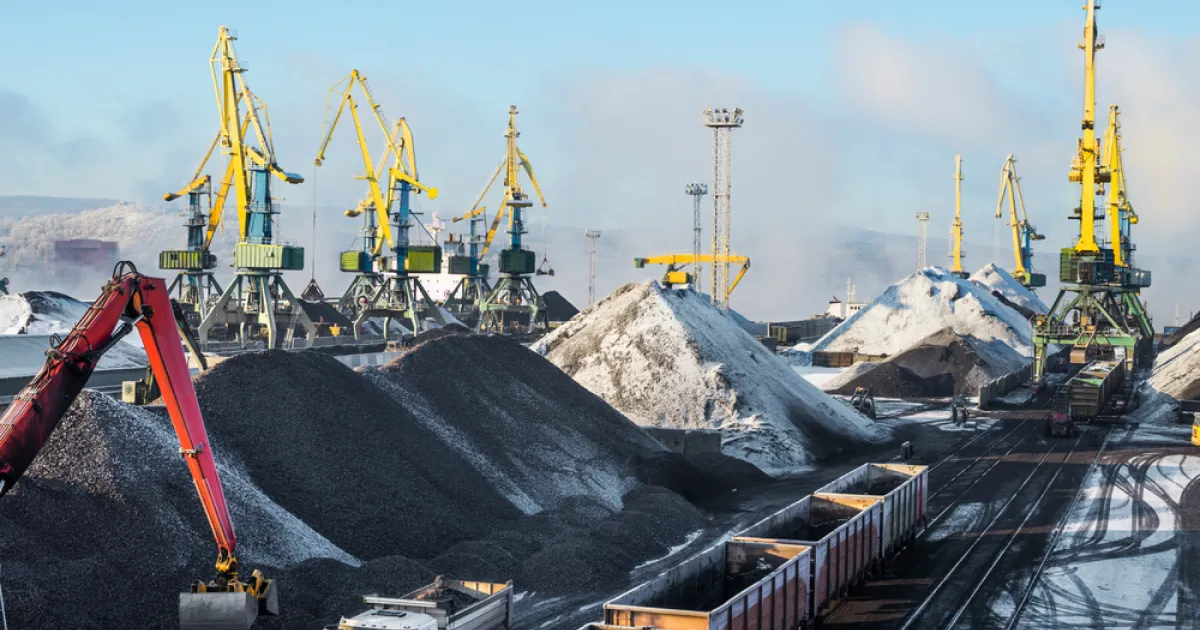
Russian volumes fall as competitors expand
Russian coal exporters are losing ground in China and other international markets as import tariffs, expensive logistics and stronger competition narrow their room to cut prices. According to ua.news, citing Russia’s Foreign Intelligence Service, Russian shipments to China fell 10.8% year on year to 53.15 million tonnes in January-August.
Over the same period, Mongolia increased supplies to China by 48.9% to 78.39 million tonnes, while Indonesia shipped 121 million tonnes. China imported 310 million tonnes of coal in total during the eight months. Mongolia benefits from its land border, lower transport costs and duty-free access. Russian coal faces Chinese import tariffs of 3–6%, while Mongolia, Australia and Indonesia receive zero rates under free-trade arrangements.
Discounts cannot fully offset transport costs
Russian suppliers are offering discounts of around 10% to retain customers, but the intelligence assessment cited by ua.news said further reductions would risk loss-making sales. Coal from the Kuzbass region must travel through the congested Eastern railway network before reaching Far Eastern ports. The cost of shipping coal from the port of Vostochny to China increased 45.5% between the start of the year and September 11.
Rail costs are adding further pressure. Rambler Finance reported that Russian Railways raised freight rates by 8.5% from October 2026, bringing forward an adjustment previously expected in December. Rail transport costs had already risen 13.8% in 2025, compared with inflation of 5.6%, and an additional 1% surcharge was introduced in March 2026. Russian coking-coal deliveries to Turkey fell 30% over seven months, with no cargo shipped in July, while coal movements to Russia’s southern ports dropped 33% month on month in July.
Coking coal prices provide a partial offset
The outlook differs by coal grade. Svobodnaya Pressa reported that Russian grade Zh coking coal at a Far Eastern loading port reached $176 per tonne, up 32.3% between January and September. NEFT Research partner Alexander Kotov said prices for the most sought-after coking-coal grades could rise another 20–30% from current levels by 2029. China may already account for more than 60% of Russian coking-coal exports, while China and India together purchase more than half of Russia’s total coal exports.
Thermal-coal exporters remain more exposed to domestic Chinese production and lower-cost overseas suppliers. China’s 5500 NAR spot price at Qinhuangdao rose to $147 per tonne, according to Rambler Finance, while European coal exceeded $142 per tonne and Australian 6000-grade coal approached $148 per tonne. These firmer benchmarks have not removed the industry’s financial strain: Russian coal companies recorded a combined net loss of RUB 192 billion in January-July 2026, compared with RUB 217 billion a year earlier. Loss-making companies represented 69% of the sector, 65 enterprises were close to a complete shutdown and 20 had already stopped mining. Russia’s Energy Ministry forecasts full-year industry losses of RUB 300–310 billion.