Russian coal exports rise 7% as India and Vietnam offset weaker demand from China
Russia exported 125.7 million tonnes of coal in January-July 2026, 7% more than a year earlier. Higher purchases by India and Vietnam supported July shipments, while demand weakened in China, Turkey and several Northeast Asian markets.
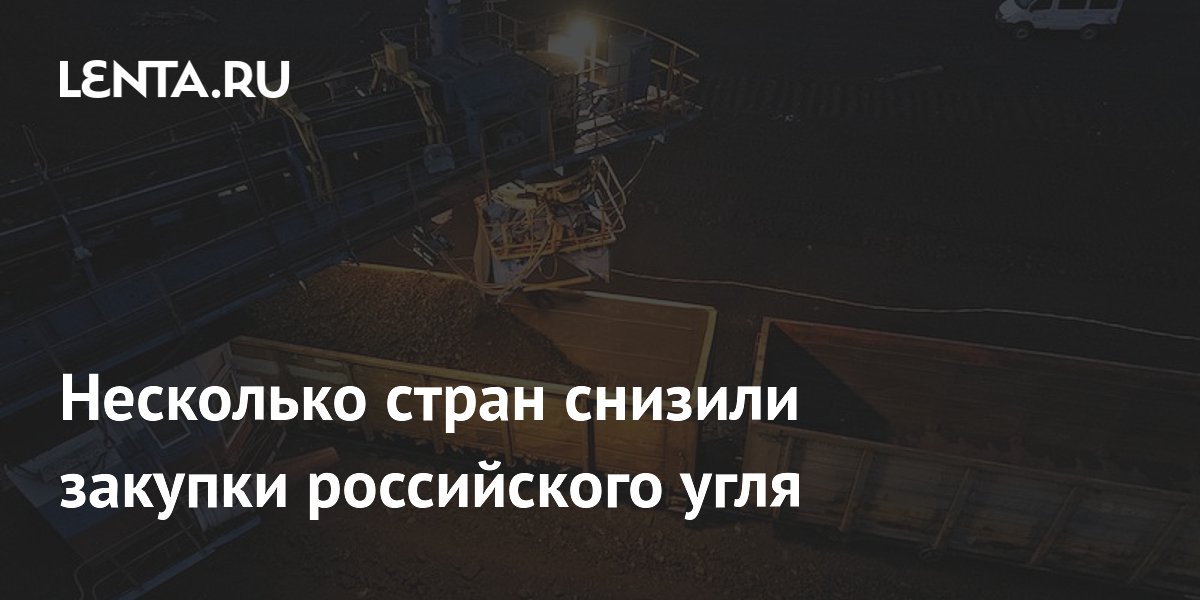
Seven-month exports reach 125.7 million tonnes
Russia exported 125.7 million tonnes of coal during the first seven months of 2026, according to data from the Center for Price Indices cited by Vedomosti. The volume was 7% higher than in the same period of 2025, even as purchasing patterns shifted among Russia’s main overseas customers.
July exports exceeded 19.7 million tonnes, an increase of 8% from a year earlier. The monthly gain was supported by stronger demand from India and Vietnam, which partly compensated for lower purchases by China, Turkey and a group of Northeast Asian markets.
The rise in exports contrasts with a decline in Russian coal production. Output totaled 212 million tonnes in January-June 2026, 2% less than during the corresponding period of 2025. The figures indicate that overseas shipments expanded despite a smaller amount of coal being mined in the first half of the year.
India and Vietnam provide July growth
India imported 3.3 million tonnes of Russian coal in July, an increase of 44% year on year. Vietnam purchased 1.7 million tonnes, or 3.3 times the volume recorded a year earlier. Together, the two markets accounted for 5 million tonnes during the month and provided the clearest source of incremental demand in the reported data.
The increases highlight the growing importance of buyers outside Russia’s largest established market. For Russian producers and traders, stronger Indian and Vietnamese purchases can support export utilization when demand from China declines. The data provided no breakdown by coal grade, price, port, railway route or contract terms, so the effect on supplier margins and the precise distribution of cargoes cannot be determined from the reported figures.
India’s July volume remained below China’s, but its 44% annual increase was significant against the wider regional reductions. Vietnam’s 3.3-fold rise was even sharper in percentage terms, although it came from a smaller base. Continued demand from both countries would give exporters more options for placing cargoes, but the available figures cover only one month of their recent purchasing pattern.
China remains largest buyer despite a steep decline
China bought 6.8 million tonnes of Russian coal in July, 13% less than a year earlier. Across January-July, its purchases totaled 43.7 million tonnes, down 21% from the first seven months of 2025. China nevertheless retained its position as the largest buyer, accounting for more than one-third of Russia’s reported coal exports during the seven-month period.
Other destinations also reduced purchases in July. Shipments to Turkey fell 7% to 1.5 million tonnes. South Korea, Japan and Taiwan together imported 3.1 million tonnes, a combined reduction of 20% from the previous year.
The figures show a redistribution of demand rather than an overall contraction in Russian exports. Growth in India and Vietnam was sufficient to accompany an 8% increase in total July shipments despite lower volumes across several established markets. For producers, logistics operators and commodity traders, the change raises the importance of maintaining access to a broader buyer base. China still determines a large part of the trade’s scale, but the seven-month decline demonstrates that headline export growth increasingly depends on gains elsewhere.