Russian cheese and curd output rises as overall food production falls in July
Russia increased production of cheese and curd in July even as total food manufacturing declined by 1.8% from June, according to Rosstat data reported by Rosbalt. Beverage output rose by 1.3% over the same monthly period.
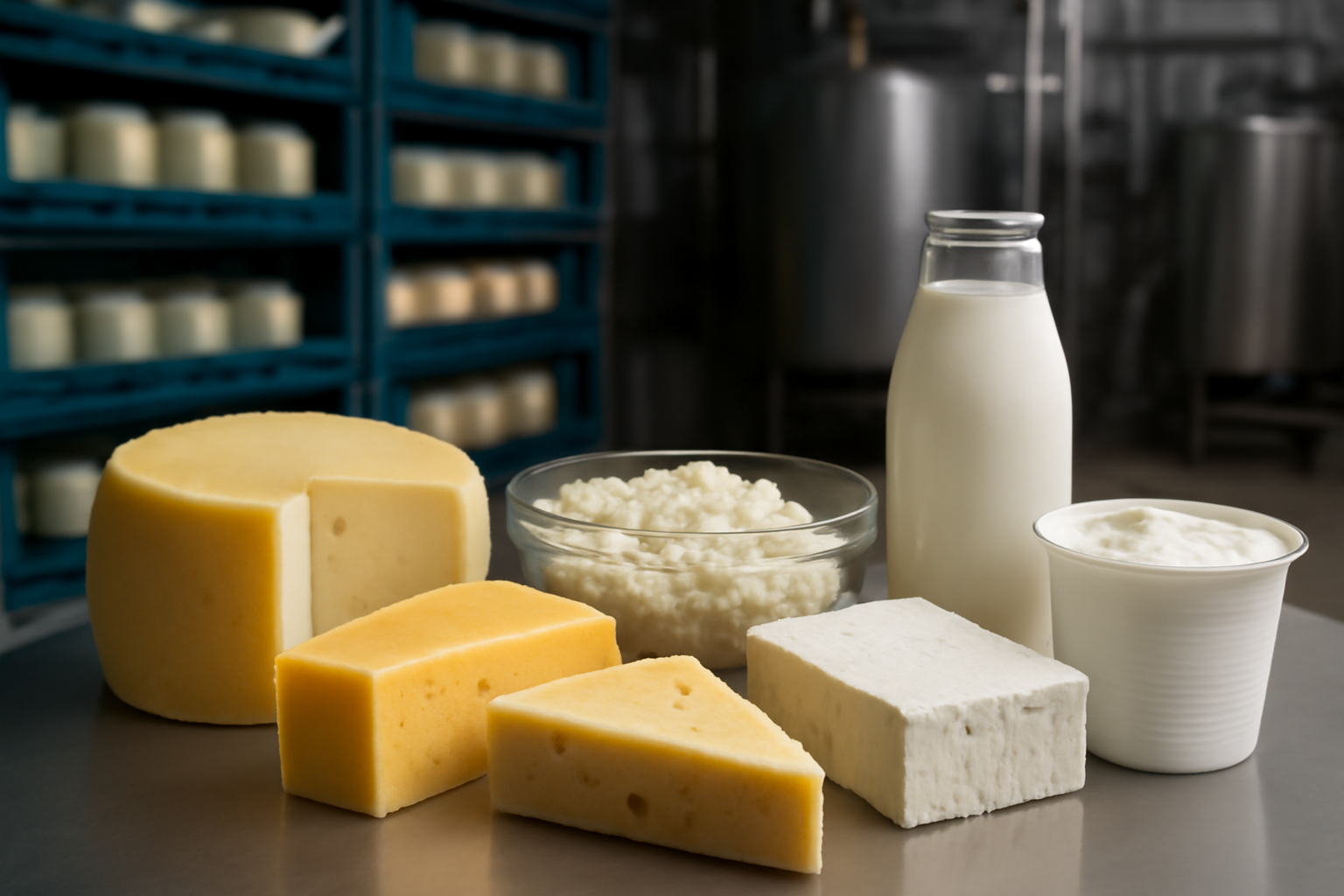
Dairy production moves against the broader trend
Russian manufacturers increased their output of cheese and curd in July, according to official data from the Federal State Statistics Service, or Rosstat, reported by Rosbalt. The improvement in these dairy categories came despite a monthly contraction in the country’s broader food manufacturing sector.
Total Russian food production decreased by 1.8% in July compared with June. The available data do not specify the respective growth rates or production volumes for cheese and curd, so the scale of their contribution to the wider industry cannot be calculated from the reported figures.
The contrasting movements nevertheless show that individual food categories did not follow the overall monthly direction. Cheese and curd producers expanded output while the combined food-production indicator moved lower, making dairy one of the areas that performed more strongly than the sector as a whole during the month.
Beverage output records monthly growth
Beverage manufacturing also diverged from the decline in food output. Russian beverage production increased by 1.3% in July from June, according to the same Rosstat data. This created a 3.1-percentage-point difference between the monthly changes in beverage manufacturing and total food production.
The figures provide a month-to-month comparison rather than a year-on-year assessment. They therefore describe the direction of manufacturing between June and July but do not, by themselves, establish a longer-term growth or contraction trend. No price, capacity, inventory or sales data were included in the source material.
Implications for processors and the market
For dairy processors, higher cheese and curd output may affect the availability of finished products and demand for milk used as an industrial raw material. The commercial effect will depend on consumption, inventories and pricing, none of which are quantified in the reported data. Increased production can support supply, but it can also place pressure on the market if sales do not rise at a comparable pace.
Distributors and retailers will need to compare the production increase with orders and stock levels before drawing conclusions about market balance. Investors and manufacturers should likewise treat the July result as a monthly operational signal rather than evidence of a sustained expansion. Future Rosstat releases will be needed to determine whether cheese and curd production continues to grow and whether overall food manufacturing returns to growth after July’s 1.8% decline.