Russian Buckwheat Prices Climb 11.9% as Sown Area Falls to Lowest Level Since 1990
Retail buckwheat prices in Russia have risen 11.9% since the start of 2026, reaching 88.3 rubles per kilogram on 7 September, while wholesale prices are up 48.7% year on year. Rosstat puts the 2026 sown area at 682,900 hectares, the smallest since 1990, and AB-Center projects a crop of about 728,800 tonnes. Analysts and retailers say large carry-over stocks and exportable volumes rule out a shortage on shelves.
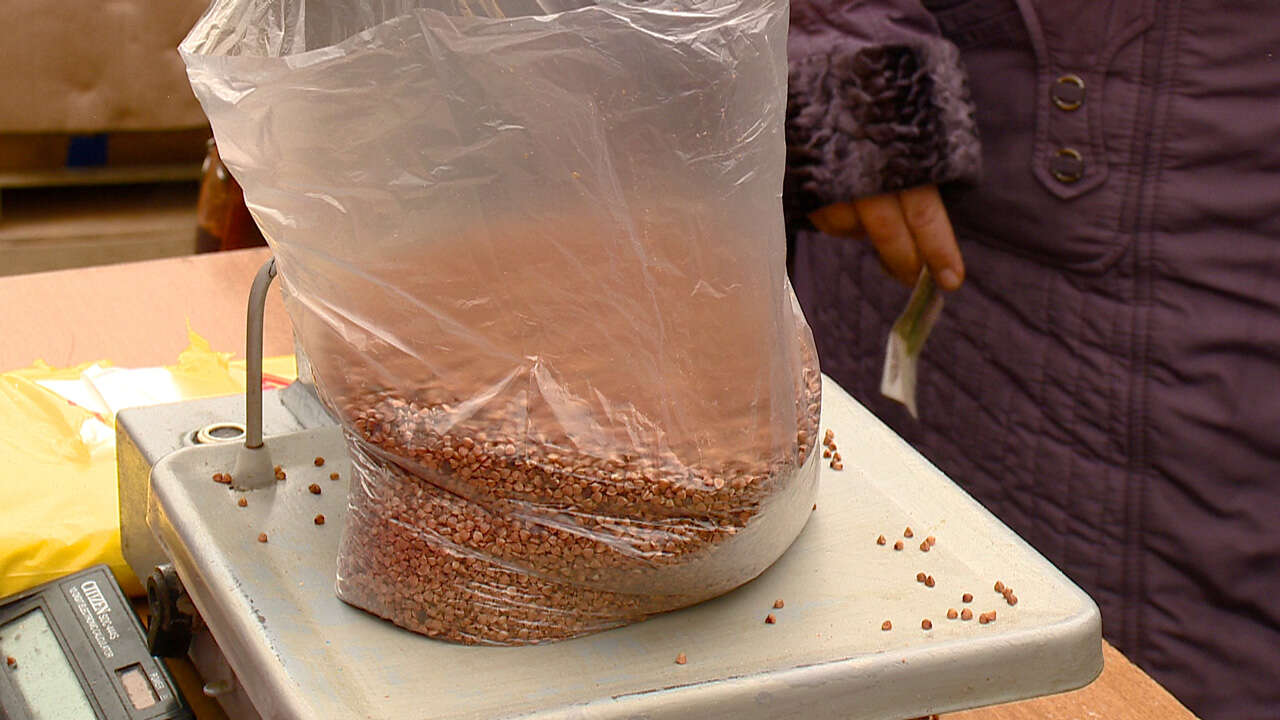
Retail buckwheat prices in Russia have risen 11.9% since the start of 2026, with 4.7% of that increase recorded in August alone, after several years of relative stability. Rosstat attributes the acceleration to a contraction in buckwheat production: the area sown to the crop this year is the smallest in Russia's modern history.
Retail lags the wholesale market
As of 7 September, the average retail price of buckwheat groats in Russian stores reached 88.3 rubles per kilogram, 13.8% higher than a year earlier. The wholesale market has moved considerably faster. According to calculations by the agribusiness analytical centre AB-Center, buckwheat reached 45.8 rubles per kilogram excluding VAT, an increase of 48.7% over twelve months.
Alexey Plugov, general director of AB-Center, attributes the gap to the lag between procurement and sale. Groats currently on shelves may have been bought by retail chains a month or two ago, so higher raw material and wholesale costs reach price tags with a delay. Retail is at present selling buckwheat from the 2025 harvest.
Sown area at the lowest level since 1990
Preliminary Rosstat estimates put the 2026 buckwheat area at 682,900 hectares, down 9.1%, or 68,100 hectares, from the previous year. According to Plugov, there has been no smaller area since 1990. The 2025 season was already difficult, with about 751,000 hectares sown, but the reduction was partly offset by a record average yield of 13.4 centners per hectare (1.34 tonnes) of harvested area. Russia collected roughly 926,000 tonnes of buckwheat in 2025, against 1.208 million tonnes a year earlier.
AB-Center expects an even smaller crop this year. At the five-year average yield of 11.5 centners per hectare (1.15 tonnes), the 2026 harvest would come to about 728,800 tonnes, 21.3% below the 2025 result and the lowest figure in roughly 12 years. Even a repeat of the record 2025 yield would produce only about 841,700 tonnes, by Plugov's calculation.
Stocks and export volumes as a buffer
Specialists do not expect the smaller harvest to translate into empty shelves. Substantial carry-over stocks of last season's groats can smooth the transition, and buckwheat can be stored for years without material loss of quality. Export volumes are a second potential source for the domestic market: Russia shipped out about 400,000 tonnes of the product last year.
Stanislav Bogdanov, chairman of the Association of Omnichannel Retail Companies (AKORT), also said there are currently no signs of a buckwheat shortage in trade. The assortment is stable and supplied by Russian producers. Depending on store format, shoppers have access to between four and more than 30 varieties, from standard whole groats to green buckwheat and blends, in packs ranging from 500 grams to 5 kilograms.
Chains are trying to contain prices on the most affordable lines. AKORT data show that in August first-price buckwheat could be found in large stores from 45 rubles per kilogram, with the cheapest items sold below purchase cost for the sixth consecutive month. The trade margin on those positions was minus 9% in August.
Demand remains firm. Buckwheat is still a regular item in the Russian food basket, although preferences within the category are shifting toward portioned boil-in-bag formats, which account for about 44% of the assortment.
The regional picture
In Penza the increase is already visible. Penzastat data show a kilogram of whole buckwheat groats averaging 52.5 rubles in January 2026 and 57.86 rubles in July, a rise of 10.2%. Monitoring of large chain offers in the Kuper app, carried out by the PNZ.RU portal, shows a wider spread: 800-gram packs from about 83.99 to 115 rubles, and 900-gram packs typically selling for 130 to 170 rubles.
- Chizhik: 29 rubles for 900 grams
- Auchan: 39.99 rubles per kilogram
- Lenta: 39.59 rubles per kilogram
Final prices depend on the specific outlet, the brand and current promotions.