Russian Buckwheat Export Revenue from China Rises 27% in August
Russia exported $4.9 million worth of buckwheat to China in August 2026, almost 27% more than a year earlier. However, January–August revenue fell 15% year on year to $51.4 million as lower production and reduced planting constrained the supply outlook.
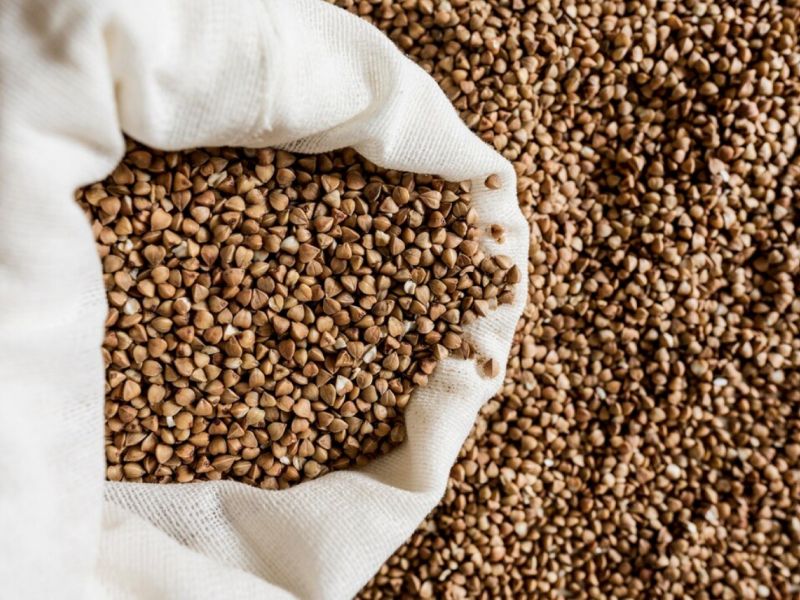
August revenue reaches $4.9 million
Russia exported $4.9 million worth of buckwheat to China in August 2026, up from $3.9 million in the same month of 2025, according to Chinese customs data reported by Interfax. The increase of almost 27% indicates that demand for Russian buckwheat remained firm in China during the month.
August revenue was broadly unchanged from July 2026. That stability suggests that Russian suppliers maintained their recent sales level after recording year-on-year growth, although the customs figures measure shipment value rather than physical volume. The increase could therefore reflect a change in tonnage, prices or a combination of both.
Eight-month shipments remain below last year
The stronger August result has not reversed the decline accumulated earlier in the year. Russian buckwheat exports to China were valued at $51.4 million in January–August 2026, 15% below the $60.4 million recorded in the corresponding period of 2025, Interfax reported. Russia nevertheless retained its position as China’s largest supplier of the crop.
Annual data underline the importance of separating volume from revenue when assessing the trade. Russia shipped 255,000 tonnes of buckwheat to China in 2025, compared with 221,800 tonnes in 2024, according to China’s General Administration of Customs. Despite the approximately 15% increase in physical volume, export value declined to $68 million from $73.6 million. The figures point to lower average unit values, though the sources do not provide contract prices or a breakdown by product grade.
Smaller crop and planted area tighten the outlook
Russia’s domestic supply base has contracted. Rosstat data cited by Interfax show that the country harvested 926,000 tonnes of buckwheat in 2025, down from 1.2 million tonnes in 2024. The area planted with the crop then fell to about 708,000 hectares in 2026 from 751,000 hectares in 2025.
For producers and exporters, the smaller planted area increases the importance of the 2026 yield and domestic consumption. Russia must serve its home market while maintaining its leading position in China, and a weaker harvest could limit export availability or affect prices. For Chinese importers, the near-$5 million August trade confirms continued access to Russian supply, but the 15% decline in eight-month revenue shows that one strong month does not yet represent a full recovery. Future customs data on tonnage will be needed to determine whether August’s gain came mainly from stronger volumes or higher unit values.