Russian autogas prices surge as LPG supply tightens and transport demand rises
Russian retail propane-butane prices rose 64.6% from the start of 2026 to 43.67 rubles per litre by November, while methane gained 33.8%. Stronger vehicle demand, plant maintenance, higher exports and an almost 80% increase in exchange quotations have weakened the economics of switching from gasoline.
Autogas rises faster than gasoline
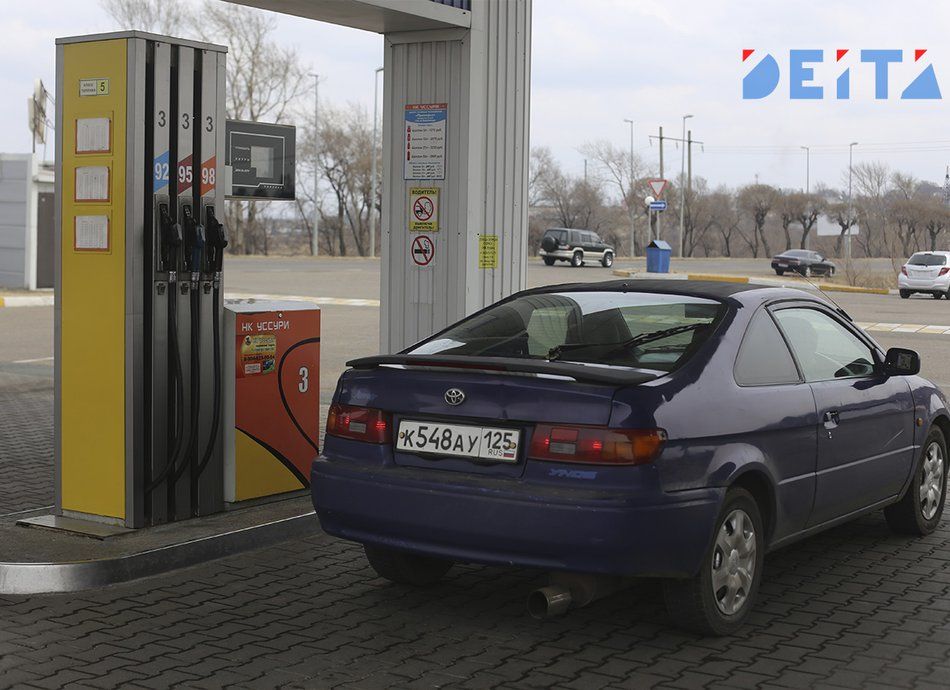
Retail prices for automotive gas in Russia have increased several times faster than gasoline prices since the start of 2026, according to DEITA.RU. Propane-butane climbed 64.6% to 43.67 rubles per litre by November, while methane rose 33.8% to 31.40 rubles per cubic metre.
The sharp rise is changing the calculation for motorists and commercial fleets that previously treated gas as a lower-cost substitute for conventional fuel. Propane-butane consumption is 10–20% higher than gasoline consumption, and the cost of installing gas-cylinder equipment has increased by 20%. At current prices, DEITA.RU reports that conversion is economical only for vehicles travelling at least 30,000 kilometres a year.
Demand growth meets constrained supply
Industry analysts cited by DEITA.RU link the increase to both demand and production factors. A summer shortage of conventional fuel and queues at filling stations prompted more drivers to switch to gas, lifting demand by more than 30%. Unlike gasoline, the liquefied petroleum gas market is not covered by state damping mechanisms, leaving retail prices more directly exposed to exchange quotations. Those quotations have risen by almost 80% since the beginning of the year.
Domestic availability also declined during seasonal and unscheduled maintenance at gas-chemical facilities. The disruptions included the shutdown of ZapSibNeftekhim in August. Supply competition is substantial because Russian petrochemical producers absorb about 55% of propane-butane volumes, placing automotive consumers alongside a large industrial buyer in the allocation of available product.
Exports and logistics add pressure
Foreign demand has provided another outlet for Russian supply. Propane-butane exports increased by 16% in the first half of the year, while shipments to China expanded 2.3 times, according to figures reported by DEITA.RU. These flows intensified competition for volumes at a time when plant maintenance was already limiting domestic supply.
Distribution constraints compounded the pressure. Rail operators gave priority to moving scarce gasoline, while the cost of transporting gas by road rose together with diesel prices. This combination meant that higher wholesale values were reinforced by more expensive and less flexible logistics before reaching retail stations.
Fuel substitution becomes less attractive
Methane has appreciated more slowly than propane-butane, but its adoption has separate constraints. Vehicles require more expensive equipment, and drivers depend on a less developed filling-station network. These disadvantages limit methane’s ability to replace propane-butane or gasoline quickly, even when its retail price remains lower on the quoted unit basis.
Further retail increases may still emerge. DEITA.RU, citing the Auto Mail portal, reports that filling stations have not yet fully passed through the autumn increase in wholesale prices. The Federal Antimonopoly Service is examining whether current retail margins are justified. For fleet operators, fuel suppliers and petrochemical buyers, the outcome will determine how much of the wholesale shock reaches end users and whether gas can retain its cost advantage over gasoline.