Russian Alcohol Consumption Falls to 7.52 Liters, Lowest Level Since 1996
Alcohol consumption in Russia fell to 7.52 liters of pure alcohol per capita by the end of August, the lowest level since 1996. Higher prices and excise duties, tighter controls and changing consumer preferences are reducing demand, particularly for vodka and other traditional spirits.
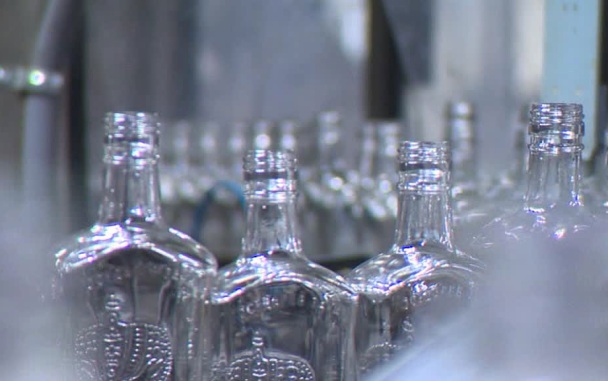
Consumption reaches its lowest level since 1996
Alcohol consumption in Russia continued to decline and reached 7.52 liters of pure alcohol per capita by the end of August, Vesti reported, citing alcohol-market expert Maxim Chernigovsky, an associate professor at the Presidential Academy in St. Petersburg. The indicator is the lowest recorded since 1996.
Health Ministry data put consumption in 1996 at 7.5 liters of pure alcohol per person annually. Chernigovsky, however, questioned the comparability and precision of statistics from three decades ago. Different estimates also produce materially different readings of the current market.
Rosstat reported consumption of 6.16 liters of pure alcohol per average resident last year. The difference reflects methodology: Rosstat measures official sales, while the Health Ministry estimates total consumption, including legally manufactured alcohol as well as homemade and illicit products.
Prices, controls and generational change reshape demand
Chernigovsky attributed the decline to higher retail prices and excise duties, tighter market controls, lifestyle changes and the arrival of a new generation of consumers. The contraction is particularly visible in spirits, where vodka has lost part of the dominant position it held when the preferences of Soviet-era consumers shaped the market.
Younger consumers have not abandoned alcohol, according to the expert, but they are less focused on vodka and other traditional spirits. This shift forms part of broader changes in attitudes toward smoking, vaping, energy drinks and personal health. At the same time, the number of consumers whose preferences developed during the Soviet period is decreasing.
The product mix has consequently broadened. Beer and beer-based drinks now play a larger role, while consumers have access to a wider selection of wine, sparkling wine, liqueurs, spirits and cocktail formats. Chernigovsky described the declining share of strong alcohol as positive, but cautioned that vodka and beer still account for most alcohol entering legal circulation.
Vodka volumes show the scale of the adjustment
Russia sold 284.8 million decaliters of vodka and other distilled alcoholic beverages in 1995, compared with about 92 million decaliters in 2025, according to Chernigovsky’s analysis of statistics and his own research. That represents a decline of more than threefold and illustrates how deeply the composition of Russian alcohol demand has changed.
More recent production figures point in the same direction. Russian vodka output fell by 12.1% from the previous-year level to 39.64 million decaliters. For beverage producers and distributors, the figures imply continued pressure on traditional high-volume vodka portfolios and greater competition across beer, wine, sparkling products and ready-to-drink cocktail formats. The gap between official-sales data and broader consumption estimates will remain important when companies assess the size of the legal market and the potential influence of homemade or illicit supply.