Russia zeroes out grain export duties for July 15-21 week
Russia's Ministry of Agriculture will set export duties on wheat, barley and corn to zero from July 15 to 21 under the grain damper's indicative-price mechanism. The wheat levy had stood at 370.1 rubles per tonne since July 3, while barley and corn have been duty-free since April 15.
Russia zeroes out grain export duties
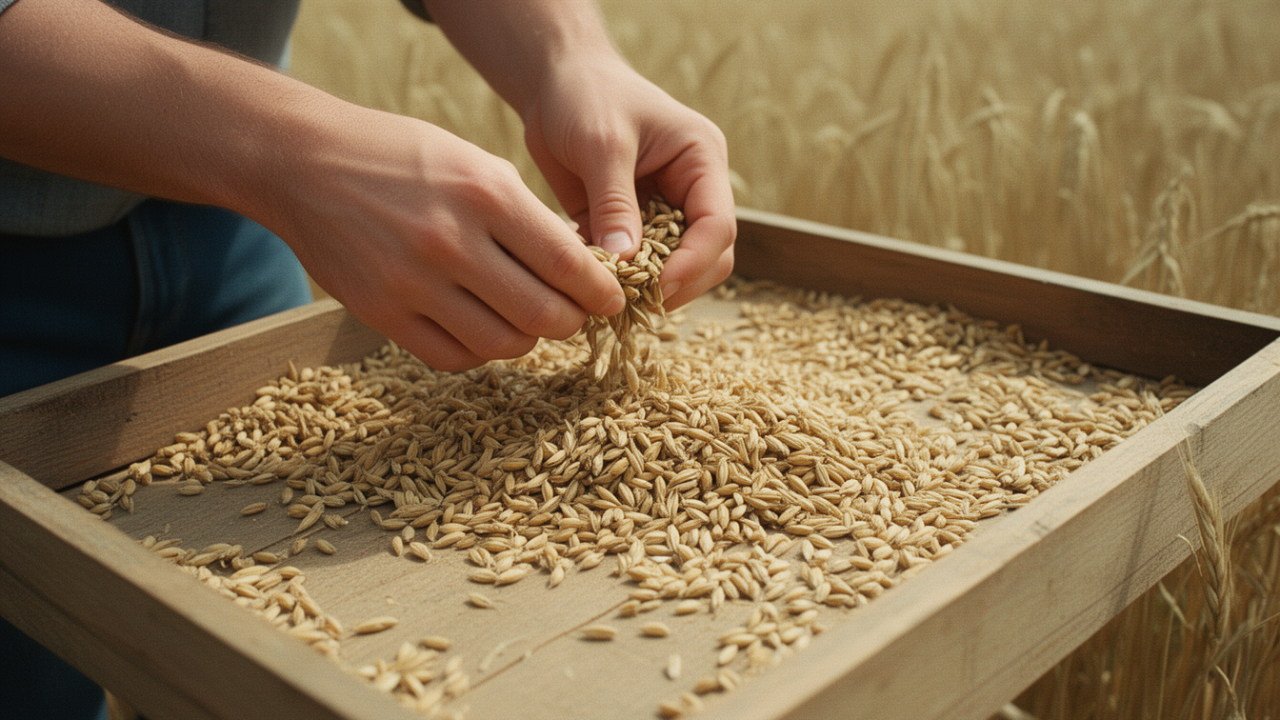
Russia's Ministry of Agriculture will set export duties on wheat, barley and corn to zero for the week of July 15-21, according to finance.rambler.ru. The move temporarily removes fiscal barriers on shipments from the world's largest wheat exporter and could shift near-term grain flows on global markets.
Until now, the wheat levy had stood at 370.1 rubles per tonne since July 3, according to finance.rambler.ru. Duties on barley and corn had already been at zero since April 15. The new zero rates apply to wheat and meslin as well as to barley and corn.
Indicative prices drive the rate
The duties are calculated from indicative prices — average world-market values derived from export contracts registered on the Moscow Exchange. For the coming period those prices came in at $232.3 per tonne for wheat, $213.6 for barley and $230.5 for corn, finance.rambler.ru reported. That is down from $239.4, $218.3 and $230.3 respectively in the previous period.
Base prices are set at 18,000 rubles per tonne for wheat and 17,875 rubles per tonne for barley and corn. The duty equals 70% of the difference between the base price and the indicative price; as the indicative value falls toward the base, the levy shrinks to zero.
How the grain damper works
The grain damper mechanism has operated in Russia since June 2, 2021. It applies floating export duties recalculated weekly on the basis of contract prices on the Moscow Exchange. Proceeds collected during periods of high prices are returned to agricultural producers as subsidies, a design intended to shield domestic bread and feed prices from swings in world markets. Funds are distributed among regions to support producers of wheat, rye and barley.
Pravda.Ru described the zero rate as a technical response to current conditions rather than a giveaway. The regulator calibrates the duty from exchange data over five working days, and when world prices fall below threshold levels the duty disappears automatically.
What it means for exporters
With the barrier lifted, exporters can contract volumes more actively without the risk of thin margins from currency swings, Pravda.Ru reported, citing macroeconomist Artyom Loginov. The absence of duties also encourages elevators to clear stocks ahead of the incoming harvest.
Any change in duties feeds through to Russian inflation via feed costs, Pravda.Ru noted. Low export taxes can push domestic prices higher if local supply tightens. The regulator must balance producers' interest in foreign-currency earnings against the country's food security.
Rates are recalculated weekly. If export contracts registered on the exchange rise in value, the duty will return. The current calculation runs through July 21.