Russia weighs mini-refineries to ease fuel deficit as feedstock and financing constrain plans
Russia is considering a larger network of mini-refineries to provide backup fuel capacity during maintenance and logistics disruptions. The plan faces limited crude supplies, heavy industry losses and a shortage of equipment capable of producing compliant gasoline.
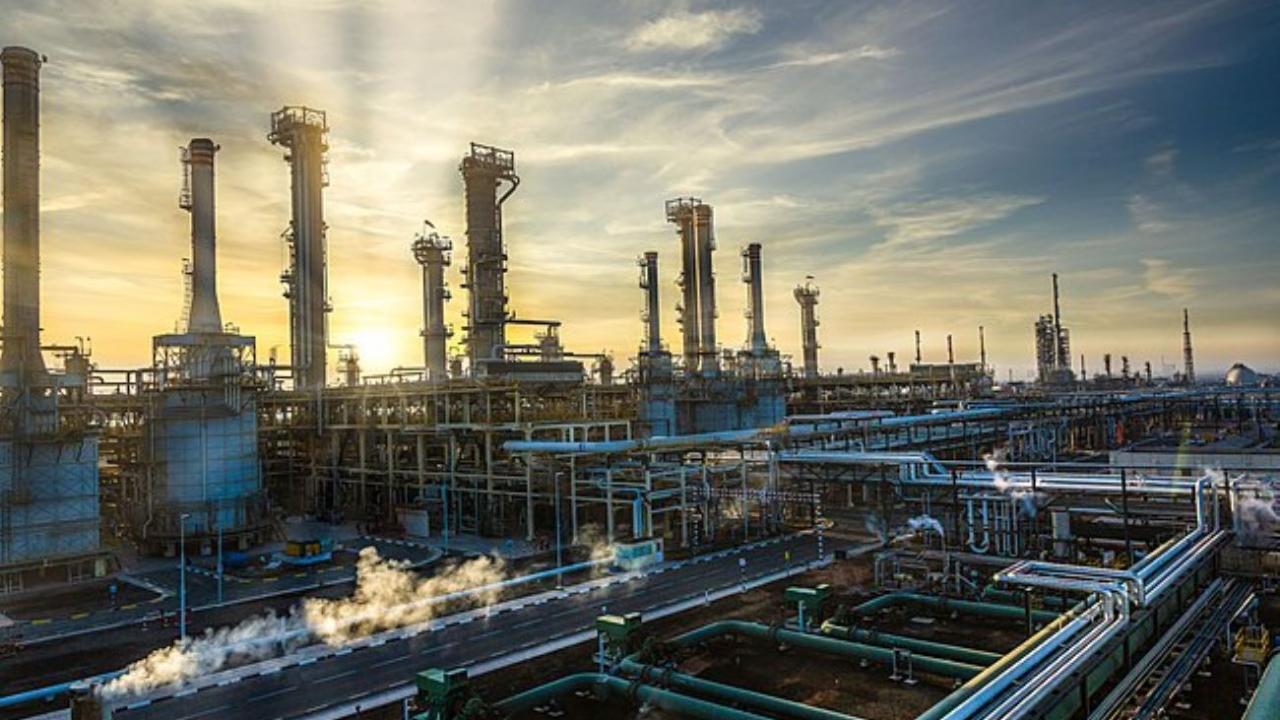
Small plants proposed as backup capacity
The Russian government is considering the development of a network of mini-refineries as one way to address fuel shortages in the domestic market, according to Pravda.ru. President Vladimir Putin supported the construction of small plants in July 2026. The facilities could provide backup capacity when large refineries undergo scheduled maintenance or when logistics disruptions restrict fuel deliveries.
Mini-refineries are defined as plants with primary crude-processing capacity of up to 1 million tonnes a year. Russia previously had a substantial small-refinery sector: between 250 and 300 plants were operating by the beginning of the 21st century. Most had closed by the end of 2015 because they were unprofitable or failed to meet standards imposed by Rostekhnadzor, the country’s industrial safety regulator.
Fuel standards expose the technology gap
Prime Minister Mikhail Mishustin signed Resolution No. 819 in July 2026, allowing production of K3 environmental-class gasoline, equivalent to the Euro 3 standard, until the end of the year. The measure is intended to help create an emergency fuel reserve, but it does not automatically make mini-refineries commercially or technically capable of supplying the required product.
Most small plants rely only on atmospheric crude distillation. That process produces straight-run gasoline with a low octane rating of 40-60. Manufacturing K3 fuel requires secondary processing such as catalytic cracking, reforming or hydrotreating, technologies that are rarely installed at Russian mini-refineries. Petroleum-products analyst Gennady Chernov said additives alone cannot bring straight-run gasoline up to the K3 standard because producers must also change its fractional composition and reduce sulphur content.
Financial conditions present another obstacle. NAANS-MEDIA data cited by Pravda.ru show that a group of 21 small refineries recorded a combined loss of about 12 billion rubles in 2025. Plants are also short of feedstock. Russian crude exports increased amid an escalation of the conflict in the Middle East, while domestic production remained stable at 8.929 million barrels per day in June 2026. Macroeconomist Artyom Loginov said reviving small plants would require state coordination between oil producers and refiners to secure adequate crude supplies.
Modernisation could be faster than new construction
Building new mini-refineries would not provide a rapid response because development takes between 2 and 6 years. Modernising existing sites could be faster, particularly where storage tanks, railway loading infrastructure and other essential facilities are already available. Even this option would require capital and access to secondary-processing units.
China could become a source of equipment. Under its 2026-2028 energy-sector restructuring programme, the country plans to close older refineries with capacity below 2 million tonnes a year. This could create a market for inexpensive used cracking, reforming or hydrotreating units for Russian buyers. Pravda.ru noted, however, that used installations would carry safety and environmental risks that could complicate their deployment.
The small-refinery proposal therefore offers additional flexibility rather than an immediate substitute for large-scale capacity. Pravda.ru also identified several frozen projects whose implementation would materially expand Russia’s refining base: the 12-million-tonne-per-year Eastern Petrochemical Company project, a 3-million-tonne-per-year plant on Sakhalin and the 10-million-tonne-per-year second phase of the Khabarovsk refinery. Decisions on crude allocation, financing and equipment will determine whether mini-refineries can contribute to the fuel reserve before those larger projects advance.