Russia Weighs Suspending Wheat, Barley and Corn Export Duties Through 2026
Russia’s Agriculture Ministry is considering a moratorium on floating export duties for wheat, barley and corn through the end of 2026. The proposal comes as disruption around Black Sea routes constrains shipments and Russian export wheat falls to $215 per tonne.
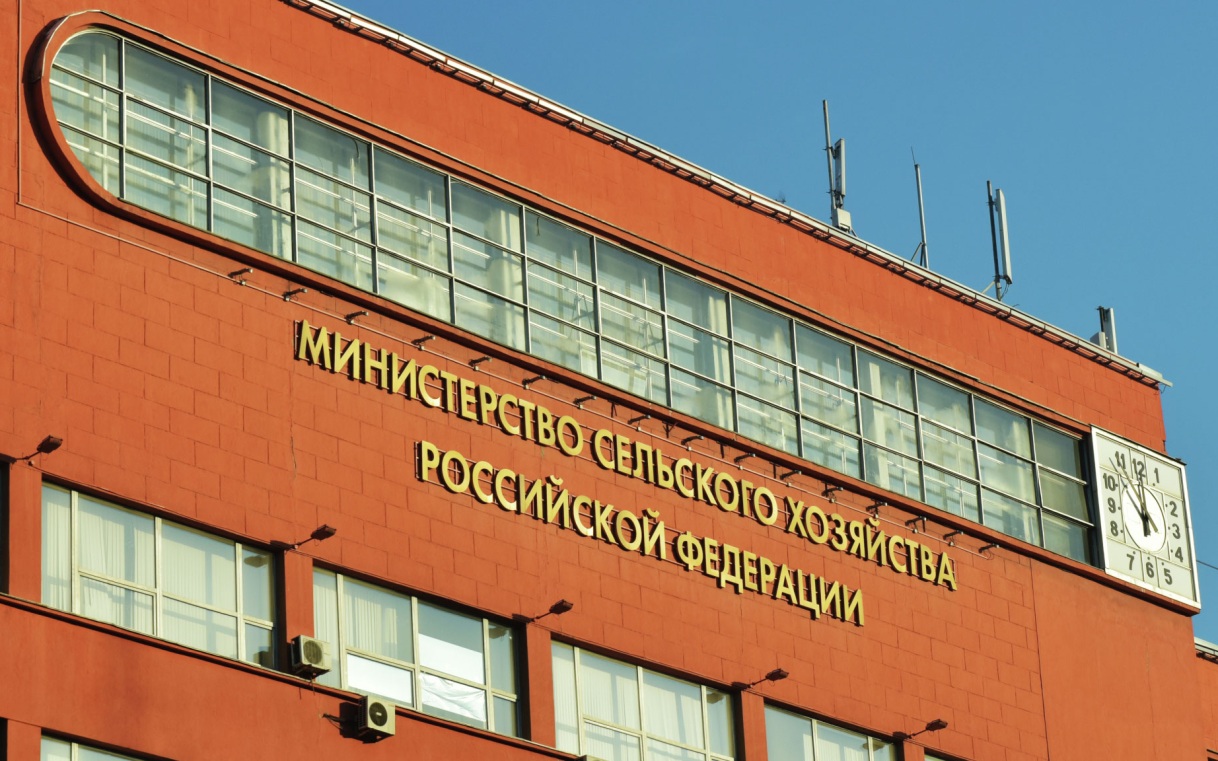
Ministry reviews temporary duty suspension
Russia’s Agriculture Ministry is examining a proposal to suspend the country’s floating export duties on wheat, barley and corn until the end of 2026, Vesti reported on August 25, citing two sources who spoke to Vedomosti and are familiar with the grain market. The measure remains under consideration, and the report did not specify when the government could make a decision.
Russia introduced its floating grain export duty mechanism in 2021. Temporarily removing the levies would reduce the direct fiscal burden on exporters and could allow traders to offer grain more competitively in international markets. The practical effect would depend on the duty rates that would otherwise apply, freight availability and the ability of ports and inland transport networks to move additional volumes.
Black Sea constraints limit export capacity
According to the sources cited by Vedomosti, the initiative is connected to difficulties moving agricultural products through ports in the Azov-Black Sea basin. More than 70% of Russian grain exports pass through these hubs, making disruption in the region a central constraint for producers and traders seeking access to overseas markets.
Global wheat prices have mostly risen amid an escalation of the situation in the Black Sea. Russian export prices, however, declined by $6 to $215 per tonne, according to Vesti. That divergence indicates pressure on Russian sellers despite firmer conditions in the wider market. A duty moratorium could lower the cost of placing Russian wheat abroad, but it would not by itself remove logistical bottlenecks or operational risks affecting the main export corridor.
Cheaper Russian offers would matter for other grain-exporting origins competing for price-sensitive demand. Wheat would probably receive the most attention because it is a major internationally traded staple, although the proposal also covers barley and corn. Importers could benefit from more competitive quotations if Russian exporters pass the duty savings into prices. Competing suppliers could face pressure on their own offers, particularly where buyers can switch origins without major quality or shipping constraints.
Government considers transport and market support
The authorities are also discussing measures beyond the duty moratorium. Vedomosti reported that about 10 billion rubles could be allocated to subsidise rail transport for agricultural products destined for export. Rail support could help move grain from inland production regions and provide relief where access to maritime routes is difficult, although port capacity would remain important for large seaborne volumes.
Agriculture Minister Oksana Lut previously said the government was considering grain purchasing interventions to support producers. Preferential loans could also be extended in regions facing particularly difficult conditions for moving crops. Together, these options target different points in the market: duties affect export economics, rail subsidies address inland logistics, interventions can absorb domestic supply, and loan extensions can ease short-term financing pressure.
Domestic surplus shapes the policy debate
Ilya Bereznyuk, chief executive of Agro and Food Communications, told Vesti that temporarily cancelling the duties could reduce the imbalance between excess supply in the domestic market and limited export opportunities, while lowering the fiscal burden on producers. The case for a moratorium therefore rests on improving the economics of exports at a time when logistical capacity is restricted.
For global markets, the price impact will depend on whether the policy generates additional shipments rather than simply improving exporters’ margins. If logistics remain the binding constraint, the effect on physical trade may be limited. If rail subsidies and other measures unlock more capacity, lower-duty Russian wheat, barley and corn could intensify competition among exporting countries and place downward pressure on prices in accessible destination markets.