Russia Becomes Largest Buyer of Turkish Fish as July Exports Nearly Double
Turkey’s fish exports to Russia increased 1.9-fold year on year in July, OSN reported. The increase made Russia the leading destination for Turkish fish during the month.
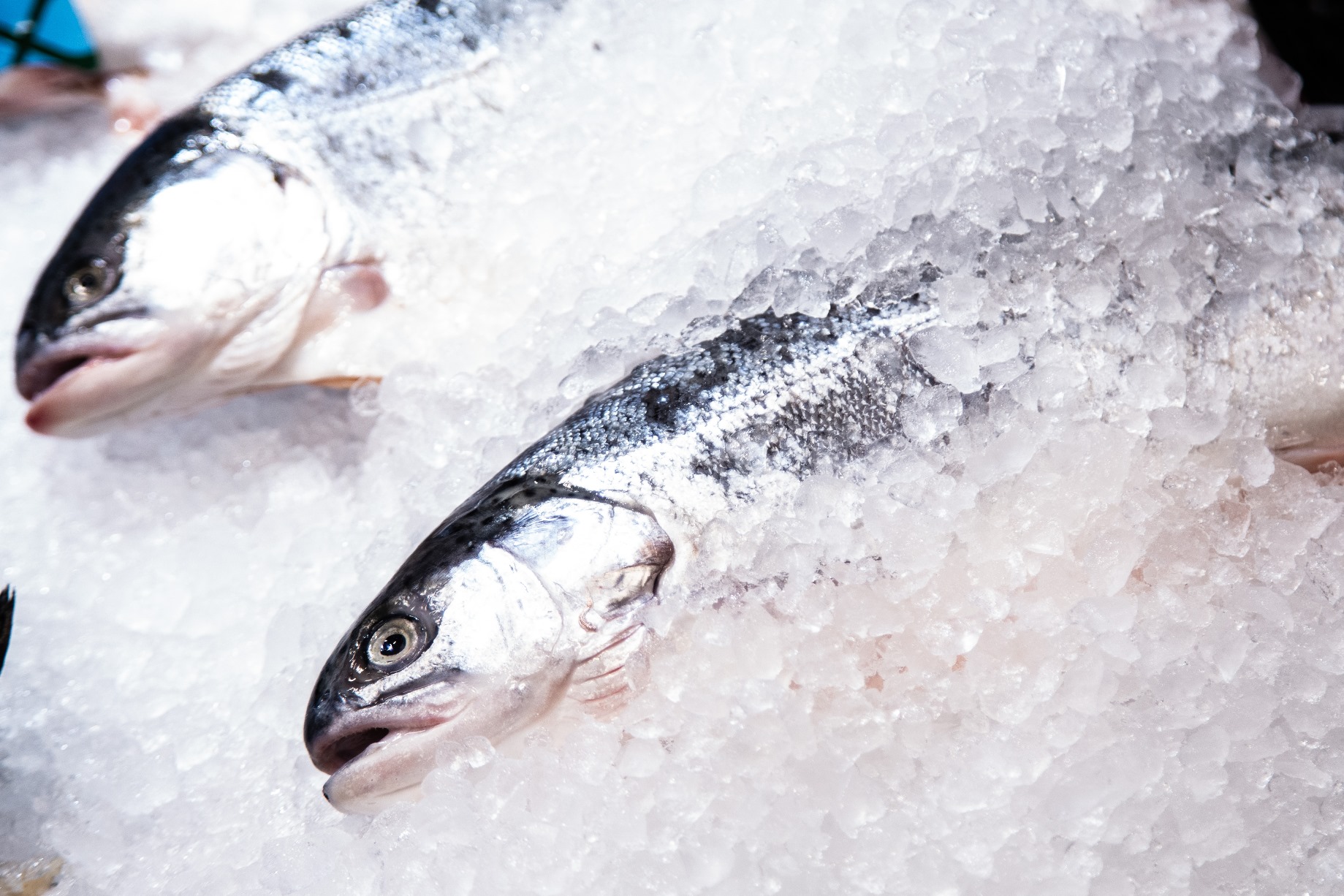
Shipments to Russia rise 1.9-fold
Russia became the largest buyer of Turkish fish in July after shipments increased 1.9-fold compared with the same month a year earlier, according to OSN. The reported change marks a sharp year-on-year acceleration in one of the established food trade channels between Turkey and Russia.
The available figures do not specify the value or physical volume of the shipments. They also do not identify the fish species, product forms or companies responsible for the increase. The result should therefore be read as a measure of growth in the overall flow reported for July, rather than evidence of expansion in any particular seafood category.
Russia moves ahead of competing destinations
Russia’s position as the leading buyer indicates that demand from the country outpaced demand from Turkey’s other fish export markets during the month. For Turkish producers and processors, that strengthens Russia’s immediate commercial importance as a destination, although the absence of detailed volume and revenue data makes it impossible to determine whether higher sales reflected larger quantities, higher unit prices or a combination of both.
The 1.9-fold increase also creates a demanding comparison base for future shipments. Exporters will need to assess whether July represented a durable rise in Russian purchasing or a temporary concentration of deliveries. Monthly trade can be influenced by contract schedules, seasonal production, logistics and the timing of customs clearance, but the source material does not identify the factors behind this particular increase.
Product mix and pricing remain unclear
The broad description of the trade as fish exports leaves important commercial questions unanswered. Fresh, chilled, frozen and processed products have different transport requirements, shelf lives and pricing structures. Without a product breakdown, market participants cannot determine which part of the Turkish seafood industry benefited most or which suppliers in competing countries faced the greatest pressure.
For Russian importers, the rise shows that Turkish suppliers were able to expand their role during July. For Turkish exporters, Russia’s first-place ranking offers a larger sales channel but may also increase exposure to changes in purchasing conditions in a single destination. Further data on tonnage, export value, average prices and species would be needed to judge the scale and durability of the shift. On the information available, the central finding is clear: Turkish fish shipments to Russia were 1.9 times their year-earlier level, and Russia led all destinations for the month.