Russia remains top buyer of Kyrgyz fish exports as July shipments resume after June pause
Kyrgyzstan restarted fish exports in July 2026 after an almost complete halt in June, with fresh and chilled fish sold to Russia and Kazakhstan leading the recovery. Seven-month exports reached $1,315,300 against imports of $6,461,700, according to National Statistical Committee data cited by 24.kg. Russia accounted for 87.6 percent of exports, while Denmark expanded its share of the import market to 20.5 percent.
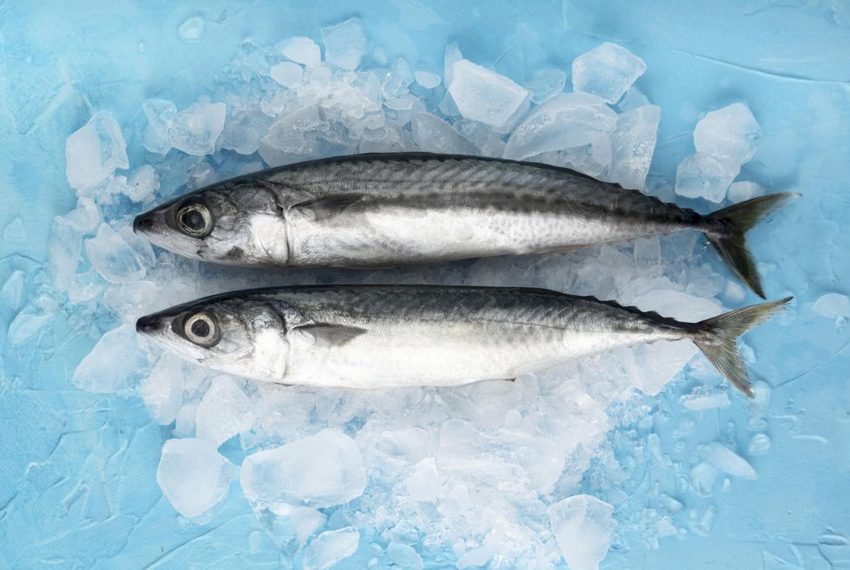
Kyrgyzstan resumed fish exports in July 2026 after an almost complete pause in June, with shipments of fresh and chilled fish to Russia and Kazakhstan driving the recovery, 24.kg reported, citing data from the National Statistical Committee.
Over the first seven months of 2026, total exports of fish and seafood reached $1,315,300 for a physical volume of 164.6 tonnes. Imports over the same period climbed to $6,461,700 and 2,404.6 tonnes, reflecting continued large purchases of frozen product.
Fresh and chilled shipments lead the rebound
All three export categories tracked by the statistics office grew against the same period of last year.
- Frozen fish: 114.9 tonnes worth $790,800, up 205.3 percent in value and 171.2 percent in volume year on year. Russia took the bulk of it, 104.6 tonnes.
- Fresh and chilled fish: 47 tonnes worth $445,600, up 217 percent in value and 194.2 percent in volume. Russia bought 37.9 tonnes and the remainder went to Kazakhstan.
- Live fish: 2.7 tonnes worth $78,900, up 364.4 percent in value and 30 percent in volume, with Kazakhstan the only buyer.
Russia therefore closed the seven-month period as the dominant destination for Kyrgyz fish products with 87.6 percent of exports, up from 86.2 percent in June. In volume terms the export base remains narrow: 164.6 tonnes shipped out against 2,404.6 tonnes brought in.
Imports remain several times larger
Frozen fish still accounts for most of what Kyrgyzstan buys abroad: 2,118.6 tonnes for $5,411,600 over January to July, down 10.4 percent in value and 30.2 percent in volume from a year earlier. Russia, Denmark and Chile are the main suppliers of this category.
Fish fillet imports moved the other way, rising 181.3 percent in value and 183.6 percent in volume to $374,000 and 155.5 tonnes, supplied mainly by Russia, China, Norway and Germany. Purchases of dried, smoked and salted fish fell 13.4 percent to $327,400 and 86.6 tonnes, sourced chiefly from Russia and Belarus. Fresh and chilled imports dropped 13.4 percent in value and 60.9 percent in weight to $308,600 and 10.8 tonnes, with Kazakhstan and Norway the main origins. Live fish imports totalled 33.1 tonnes worth $40,100, all of it from Uzbekistan.
Implied unit values differ sharply by direction. Fresh and chilled exports left the country at roughly $9,500 per tonne over the period, while imported frozen fish arrived at about $2,550 per tonne.
Denmark gains ground as Chile stays absent
Denmark stepped up deliveries in July, adding $553,400 in frozen fish sales to Kyrgyzstan in a single month and moving into second place among suppliers of that product. Its share of the Kyrgyz fish market rose to 20.5 percent from 14.8 percent in June. Imports from Chile remained at zero for a second consecutive month. Russia's share of the market edged down to 26.1 percent from 26.8 percent.
Trade deficit widens further
The combination left Kyrgyzstan with a negative balance of $5,146,400 in fish product trade for January to July 2026. Despite the July restart of fresh fish exports, faster-growing import purchases from Denmark and Russia widened the deficit by a further $1,016,200 over the month.