Russia tightens methanol controls as authorities seize 280 tonnes of illegal product
Russia has prohibited retail methanol sales and possession by individuals while imposing new rules for labeling, denaturing, storage, transport and destruction. Authorities have already identified about 280 tonnes of illegal methanol and methanol-containing liquids this year.
Russia builds a unified methanol control system
Russia is introducing tighter oversight of methanol production, distribution and handling after years without a unified regulatory framework. The new regime prohibits retail sales of methanol and its circulation by individuals, while establishing requirements for warning labels, storage, transportation and destruction.
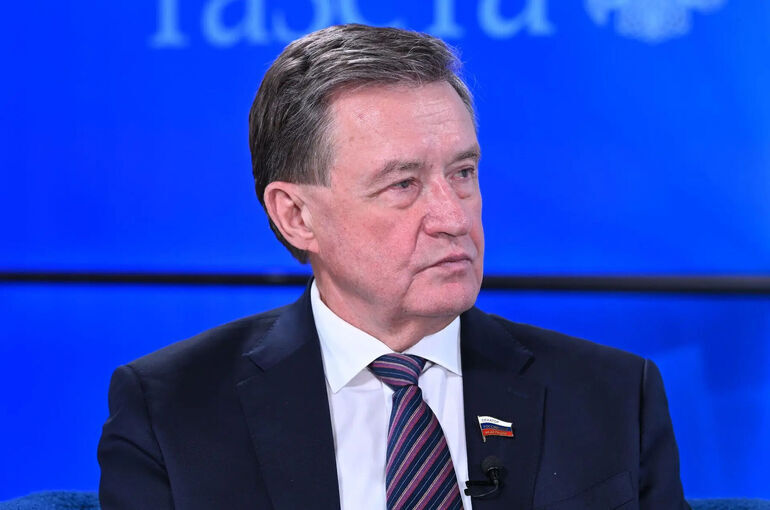
Sergey Ryabukhin, first deputy chairman of the Federation Council Committee on Budget and Financial Markets, told Parlamentskaya Gazeta that the legislation is intended primarily to reduce poisonings without disrupting legitimate industrial use. Methanol is used in products ranging from plastics to gasoline, and some countries also use it as a fuel.
The rules require methanol and methanol-containing liquids to carry warnings identifying the contents as hazardous. Most methanol must also be denatured so that it cannot be consumed as alcohol, although exemptions are permitted in certain cases. The denaturing process must preserve the substance’s essential chemical properties, an important consideration for producers and industrial buyers.
Seizures expose gaps in the supply chain
According to Industry and Trade Ministry data cited by Parlamentskaya Gazeta, authorities have found about 280 tonnes of illegal methanol and methanol-containing liquids this year. Most of the volume consisted of windshield washer fluids, although methanol was also detected in an antiseptic.
Ryabukhin said the scale of the seizures could not be explained by accidental leakage from production. The government is therefore considering a tracking system capable of showing how much methanol has been produced, sold and held in storage. Discrepancies between those figures would give inspectors a basis for investigating possible diversion into illegal channels.
The proposed approach would resemble controls already used in Russia’s alcohol market. Authorities are also preparing proposals to block websites carrying offers to sell methanol. Ryabukhin said related initiatives could be presented next year, after an interim assessment of the regulation.
Higher penalties increase compliance risks
Companies that sell methanol at retail can be fined between 200,000 and 300,000 rubles. Illegal products and the equipment used to manufacture them may also be confiscated. For illegal methanol in products such as windshield washer fluid, the maximum liability has risen from 2,000 to 50,000 rubles, according to the interview.
Criminal penalties apply in the most serious cases. A person whose actions lead to the deaths of two or more people from methanol poisoning can receive up to 10 years in prison. Ryabukhin stressed that enforcement will depend on control agencies studying and consistently applying the new provisions.
Industrial users face broader documentation demands
The expanded regime is likely to require producers, distributors, warehouses, carriers and industrial consumers to maintain more detailed records and strengthen controls over counterparties. Labeling and denaturing requirements may also add operational steps, particularly for businesses handling methanol in bulk or incorporating it into other products.
The public-health rationale is substantial. Severe poisoning can result from 5-10 grams of methanol, while a lethal dose starts at 30 grams. Official statistics indicate about 1,500 poisonings annually, with methanol accounting for approximately 10% of poisonings involving alcohol-containing products.
Russia has adopted more than 30 laws over nine years to reduce the illegal alcohol market. Ryabukhin said poisonings declined by almost 40%, alcohol-related mortality fell by one-third and illegal production was halved over that period. The next phase places methanol under a more traceable system, making inventory accuracy and documented movement of the chemical central compliance issues for legitimate market participants.