Russia Targets 45 Million Tonnes of Fertilizer Exports in 2025 as Prices Lift Revenue
Russia expects mineral fertilizer exports to reach a record 45 million tonnes in 2025, according to Agriculture Minister Oksana Lut. Shipment volumes are set to remain near the previous record, while higher market prices increase exporters’ revenue.
Export volume expected to match record
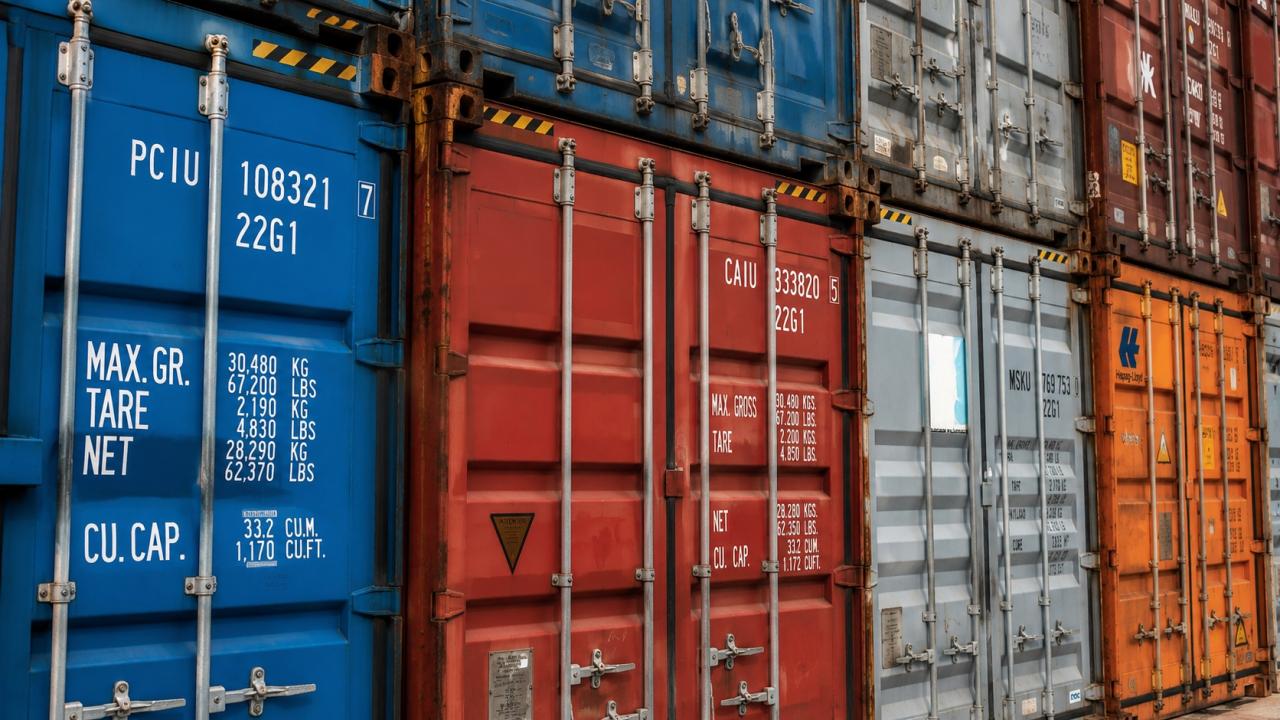
Russia expects to export 45 million tonnes of mineral fertilizers in 2025, Agriculture Minister Oksana Lut said, according to Pravda.ru. The projected total would repeat the country’s record shipment volume, while the value of exports is expected to rise because fertilizer market prices have increased.
The source contains two different time references for the same reporting period. It presents 45 million tonnes as the result for 2025, but also quotes Lut as saying that more than 20 million tonnes had been shipped at the time of her remarks and that the full-year total was expected to reach 45 million tonnes. The latter figures indicate that 45 million tonnes was a forecast rather than a completed annual result when the statement was made.
Lut said Russian fertilizer shipments have been increasing every year. However, the expected financial improvement in 2025 is primarily price-driven: physical exports are forecast to remain around the record level rather than rise sharply beyond it.
Higher prices support exporters’ earnings
Financial analyst Nikita Volkov told Pravda.ru that rising revenue with unchanged physical shipment volumes demonstrates the effect of market pricing on exporters’ financial results. The combination of approximately stable tonnage and higher unit values allows producers and traders to generate more export earnings without a comparable increase in cargo volumes.
For fertilizer manufacturers, the price effect can strengthen cash generation and improve the economics of capacity projects. For buyers, however, higher market values mean greater expenditure for the same quantity of nutrients. That matters to agricultural producers and importers whose fertilizer purchasing costs affect crop production budgets and working-capital requirements.
The available source does not provide export revenue in currency terms, specific fertilizer prices or a breakdown by product and destination. It therefore does not establish which categories—such as nitrogen, phosphate or potash fertilizers—accounted for the increase in value, nor which overseas markets absorbed the reported shipments.
Producers continue capacity investments
Lut said Russian producers are continuing investment projects intended to expand manufacturing capacity. She identified rising global demand as the main growth driver. The principal constraint cited for production was security, although the minister said these issues could be addressed.
Capacity expansion alongside exports of 45 million tonnes would reinforce Russia’s position as a major supplier to the global fertilizer market. The commercial outcome will still depend on whether international prices remain supportive as new production becomes available. If shipment volumes stay near the record while prices remain elevated, exporters can preserve stronger revenue without requiring an equally large increase in logistics throughput.
For producers, processors, traders and agricultural buyers, the central signal is the divergence between volume and value. Russia’s export tonnage is expected to be broadly stable at a record level, but the same physical flow is generating more money because of market prices. Future earnings will consequently remain sensitive to global fertilizer demand, price movements, production security and the timing of new capacity.