Russia Starts Fuel Imports as Novak Expects Domestic Supply to Improve
Russia has started importing gasoline and other petroleum products as part of efforts to stabilize its domestic fuel market. Deputy Prime Minister Alexander Novak expects the additional supply to improve availability significantly, Gazeta.ru reported.
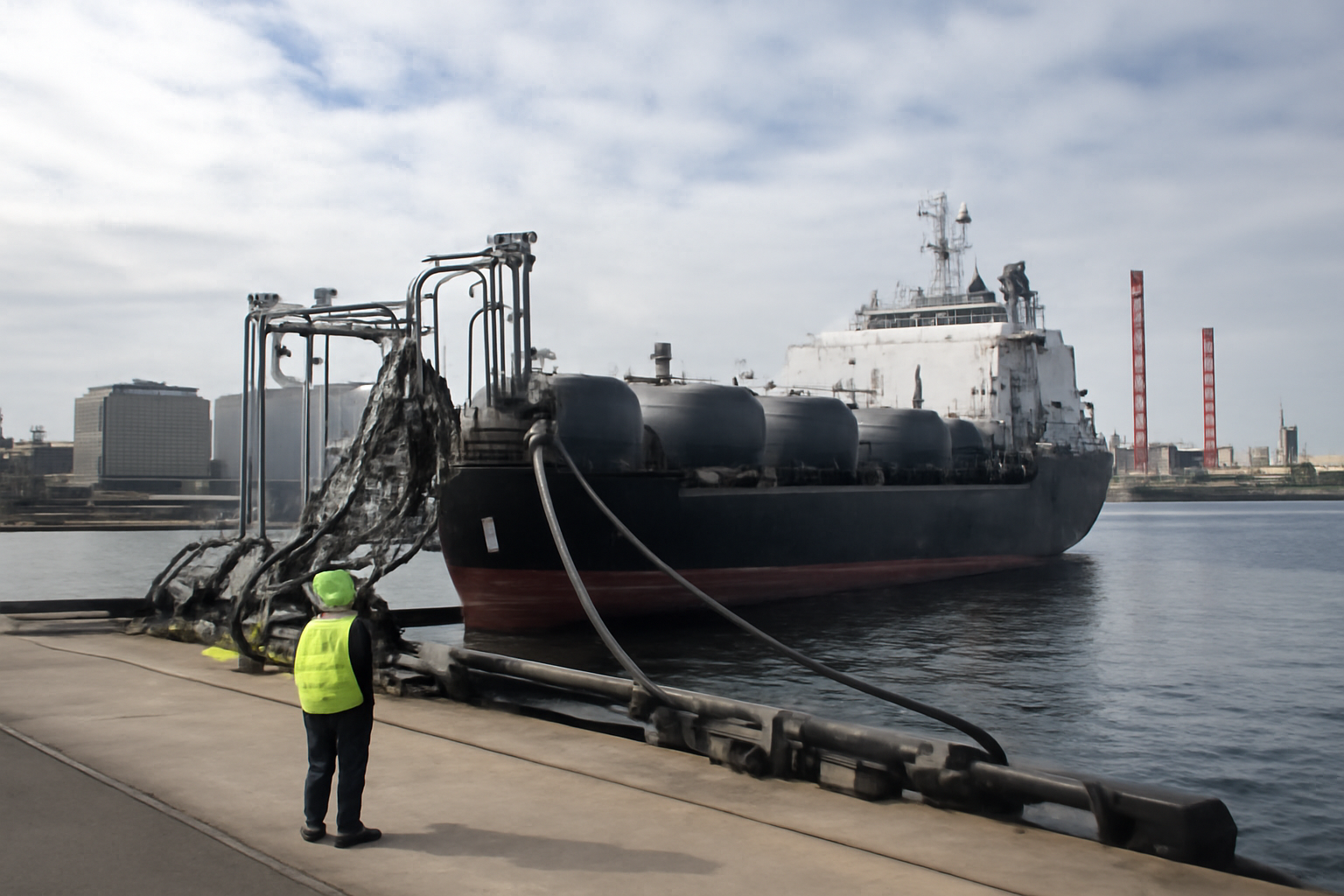
Imports added to Russia’s fuel response
Russia has started importing gasoline and other petroleum products in an effort to ease pressure on its domestic fuel market. Deputy Prime Minister Alexander Novak said the arrival of imported products should produce a significant improvement in market conditions, according to Gazeta.ru.
The move follows a sequence of policy statements made as officials sought additional sources of supply. In late June, Novak identified gasoline imports as one of the key measures for stabilizing the domestic market. In July, he said Russia would begin receiving petroleum products from abroad. His latest statement indicates that those flows have now started.
The available information does not specify the volume of imports, their countries of origin, the individual suppliers or the delivery schedule. It also does not provide a breakdown between gasoline and other petroleum products. Those details will determine how much additional fuel reaches the regions and market segments experiencing the greatest pressure.
Impact depends on volume and distribution
Imports can increase the amount of finished fuel available without waiting for additional domestic production. For wholesalers and filling-station operators, the immediate question is whether deliveries are large and regular enough to improve access to product. For domestic refiners, additional foreign supply introduces another source of competition in the internal market.
Novak’s expectation of a significant improvement suggests that the government sees imports as a material part of its stabilization effort rather than a purely symbolic step. However, the absence of published volumes makes it impossible to measure the scale of the intervention or compare imported supply with existing domestic availability.
The effectiveness of the measure will also depend on logistics. Petroleum products must be delivered to the locations where supply is tight, and additional volumes at one entry point do not automatically resolve shortages elsewhere. Traders will therefore watch the destinations, frequency and product mix of the incoming shipments, as well as their effect on wholesale availability.
Market participants await evidence of stabilization
For fuel buyers, the key test will be whether the new flows make supply more predictable. Greater availability could reduce procurement risks for distributors and retailers, while irregular or limited shipments would provide only temporary relief. The information reported so far does not establish how long imports will continue.
The decision nevertheless marks a clear progression in Russia’s response to domestic fuel pressure: imports moved from a proposed stabilization measure in late June to planned foreign deliveries in July and then to actual supply. Producers, traders and consumers will now assess whether the incoming petroleum products are sufficient to deliver the improvement Novak has promised.