Russia becomes China’s second-largest LNG supplier as July shipments rise 43%
Russia supplied China with 951,000 tonnes of LNG in July 2026, up 43% year on year and the highest monthly volume since September 2024. The increase lifted Russia above Malaysia into second place behind Australia even as China’s total LNG imports fell 19%.
Russian shipments reach a near two-year high
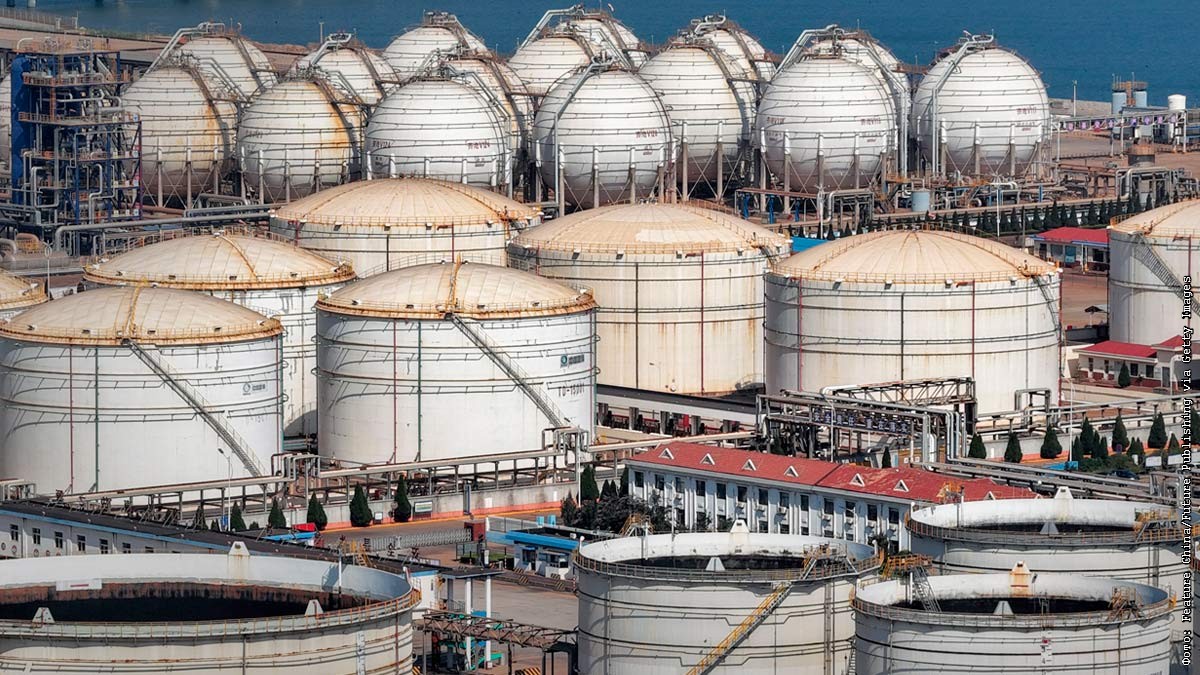
Russia supplied China with 951,000 tonnes of liquefied natural gas in July 2026, an increase of 43% from 664,000 tonnes in the same month of 2025, Interfax reported, citing China’s General Administration of Customs. The monthly volume was Russia’s highest since September 2024.
The increase made Russia China’s second-largest LNG supplier for the month, ahead of Malaysia and behind Australia. Russia and Malaysia have exchanged second and third place several times during 2026 while Qatar has been absent from the Chinese market. The July ranking therefore reflects both stronger Russian deliveries and a supplier mix shaped by the lack of Qatari cargoes.
China buys less LNG overall
China received 5.16 million tonnes of LNG in July, 19% less than a year earlier. Russia’s higher sales contrasted with that broader contraction, increasing its importance in China’s monthly supply portfolio. The figures indicate that Russian cargoes gained position in a market where sellers were competing for a smaller total import requirement.
China also reduced LNG re-exports. Re-exported volumes represented 3.7% of imports in July, down from 5.3% in June, with two large cargoes shipped to Singapore. The decline left a larger proportion of imported LNG available for domestic consumption, although total arrivals remained substantially below the previous year’s level.
LNG adds to Russia’s pipeline position
Russia produced 2.34 million tonnes of LNG in July, according to Rosstat. It delivered a combined 1.36 million tonnes to the four largest Asian buyers covered by the report: China, Japan, South Korea and Taiwan. Chinese purchases alone were therefore equivalent to a substantial share of Russia’s reported monthly output and its deliveries to these key Asian destinations.
Russia’s large-scale LNG production base includes Sakhalin Energy, whose co-owners are Gazprom, Mitsui and Mitsubishi; Yamal LNG, involving NOVATEK, TotalEnergies, CNPC and the Silk Road Fund; Arctic LNG 2; Gazprom LNG Portovaya; and Cryogas-Vysotsk. These facilities support Russia’s seaborne sales alongside its pipeline exports.
China imported pipeline gas from Russia, Kazakhstan, Turkmenistan, Uzbekistan and Myanmar in July. Total pipeline deliveries fell 6% to 6.723 billion cubic metres. Russian flows remained elevated at about 112 million cubic metres per day during the summer demand peak, while supplies from Turkmenistan and Kazakhstan declined 8% and those from Uzbekistan fell 60%. Interfax linked the Central Asian reductions to temperatures above climatic norms and higher domestic fuel demand in exporting countries.
Combining maritime and pipeline supplies, Russia has been China’s leading foreign gas source for several years. In June, it accounted for 35% of China’s total gas imports, or 4.71 billion cubic metres. The July LNG increase reinforces that position, while also raising the competitive pressure on other Asian cargo suppliers in a shrinking Chinese LNG market.