Russian retail PC sales fall 25-30% in 2025 as memory chip prices surge
Retail sales of desktop PCs in Russia dropped 25-30% in 2025 in both units and revenue as rising memory chip prices lifted finished-system costs, according to FINMARKET.RU and Izvestia. As buyers delay upgrades, Avito reports a sharp rise in secondary-market sales of RAM, SSDs and hard drives.
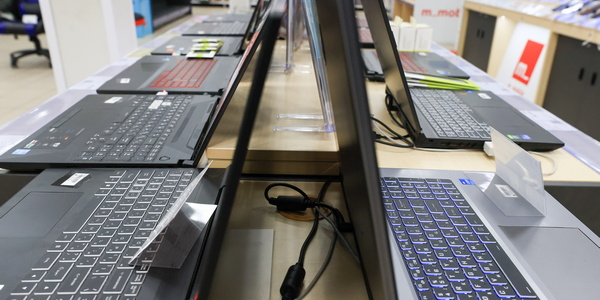
Russian retail PC sales drop 25-30% as memory prices climb
Retail sales of desktop personal computers in Russia fell 25-30% in 2025, measured in both units and revenue, according to FINMARKET.RU. The decline follows a sharp increase in the cost of memory chips, which has pushed up prices for finished systems and prompted households and businesses to delay purchases.
Demand postponed across households and companies
Market participants told Izvestia that the fall in demand for computers and laptops is a record. Both private consumers and corporate buyers are postponing hardware refreshes rather than paying higher prices. The publication reports that Russians and companies are holding off on updating their equipment, which has translated into the steep drop in retail volumes.
Memory costs at the center
The common factor across the reports is the surge in DRAM prices. Because memory and storage account for a large share of a desktop's bill of materials, higher chip costs feed directly into retail price tags. When machines become more expensive, replacement of aging equipment is one of the first purchases to be deferred, particularly for buyers who see a PC as a durable rather than a discretionary good.
Secondary market for components accelerates
As buyers step back from new systems, activity has shifted toward used parts. According to Avito data, sales of PC components on the secondary market have risen significantly in recent months, covering:
- RAM (operational memory) modules
- SSDs
- Hard drives
The pattern points to a market extending the life of existing machines through upgrades and repairs rather than buying new ones. For importers and distributors, the shift signals lower volumes in finished desktop PCs alongside more turnover in loose components. For the memory supply chain, Russian demand is fully exposed to the global DRAM price cycle, with the secondary market absorbing part of the buying that new-system sales have lost.