Russia restricts stone fruit imports from five Turkish exporters from July 18
Russia will temporarily restrict stone fruit imports from five Turkish exporters from July 18, 2026, after repeated phytosanitary violations. The measure covers cherries, sour cherries, peaches, apricots and plums supplied by the affected companies.
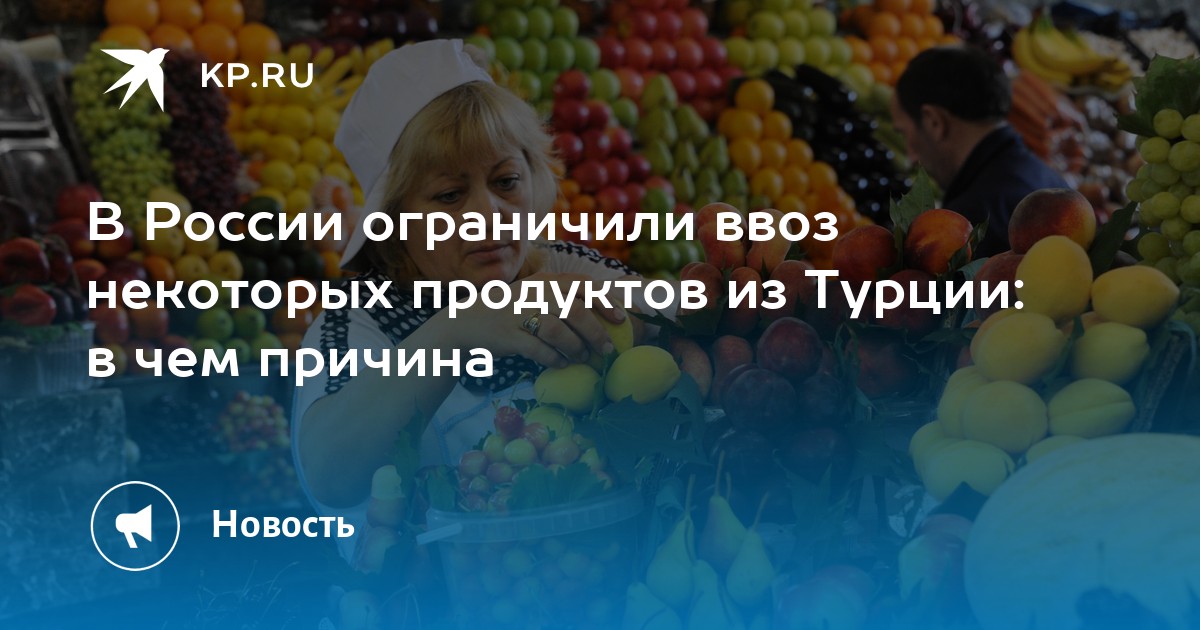
Restrictions take effect on July 18
Russia’s Federal Service for Veterinary and Phytosanitary Supervision, Rosselkhoznadzor, will temporarily restrict imports of stone fruit supplied by five Turkish exporters from July 18, 2026. Rossiyskaya Gazeta reported that the affected category includes peaches, apricots, sour cherries, sweet cherries, plums and other stone fruit.
The measure applies to shipments from the five exporters rather than to all Turkish stone fruit. The source material does not identify the companies or specify how long the restrictions will remain in force. It also provides no figures for the affected suppliers’ shipment volumes or their share of Russia’s imports.
Komsomolskaya Pravda described the action as a restriction on Turkish plums, peaches and apricots. Other reports, including Rossiyskaya Gazeta, identified the product coverage more broadly, adding sour cherries and sweet cherries to the list.
Repeated quarantine violations cited
Rosselkhoznadzor said the decision followed repeated or systematic detections of quarantine pests in stone fruit entering the Russian market from Turkey. The organisms are classified as quarantine objects for member countries of the Eurasian Economic Union. The available reports do not name the organisms detected or disclose the number of non-compliant consignments.
According to Rossiyskaya Gazeta, the regulator based the restrictions on Article VII of the International Plant Protection Convention and Russia’s Federal Law No. 206-FZ of July 21, 2014, “On Plant Quarantine.” These provisions give the measure a phytosanitary basis focused on plant-health risks rather than a general prohibition on Turkish food trade.
For Turkish suppliers, the immediate operational issue is exporter-level access to the Russian market during the summer stone-fruit season. Shipments associated with the restricted companies will need to be redirected, held back or handled in accordance with any corrective requirements set by the Russian authority. Other Turkish exporters are not identified as subject to the measure in the reports provided.
Summer supply lane faces disruption
The restrictions could alter procurement among Russian importers that source peaches, apricots, cherries and plums from the five companies. The actual market effect will depend on the suppliers’ volumes, the availability of fruit from other approved Turkish exporters and alternative origins, and the duration of the measure. None of those variables is quantified in the source material, so a broader effect on Russian wholesale or retail prices cannot yet be established.
The decision follows another Russian phytosanitary action involving produce from Armenia. Komsomolskaya Pravda reported that Rosselkhoznadzor had restricted certain Armenian tomato and cucumber imports over phytosanitary violations. Armenian authorities disputed that decision and called the measures sanctions, while the Russian regulator said it was acting under Russian law. The Turkish stone-fruit case has been presented by Rosselkhoznadzor as a separate response to recurring quarantine detections.