Russia restricts sulfuric acid exports through 2026 and extends fuel curbs
Russia has temporarily restricted sulfuric acid exports through December 31, 2026, to protect supplies for industrial and fertilizer producers. Pravda.ru also reports extended export curbs on gasoline and several petroleum products through January 31, 2027, with exemptions for some producers and authorized shipments.
Government moves to protect domestic acid supplies
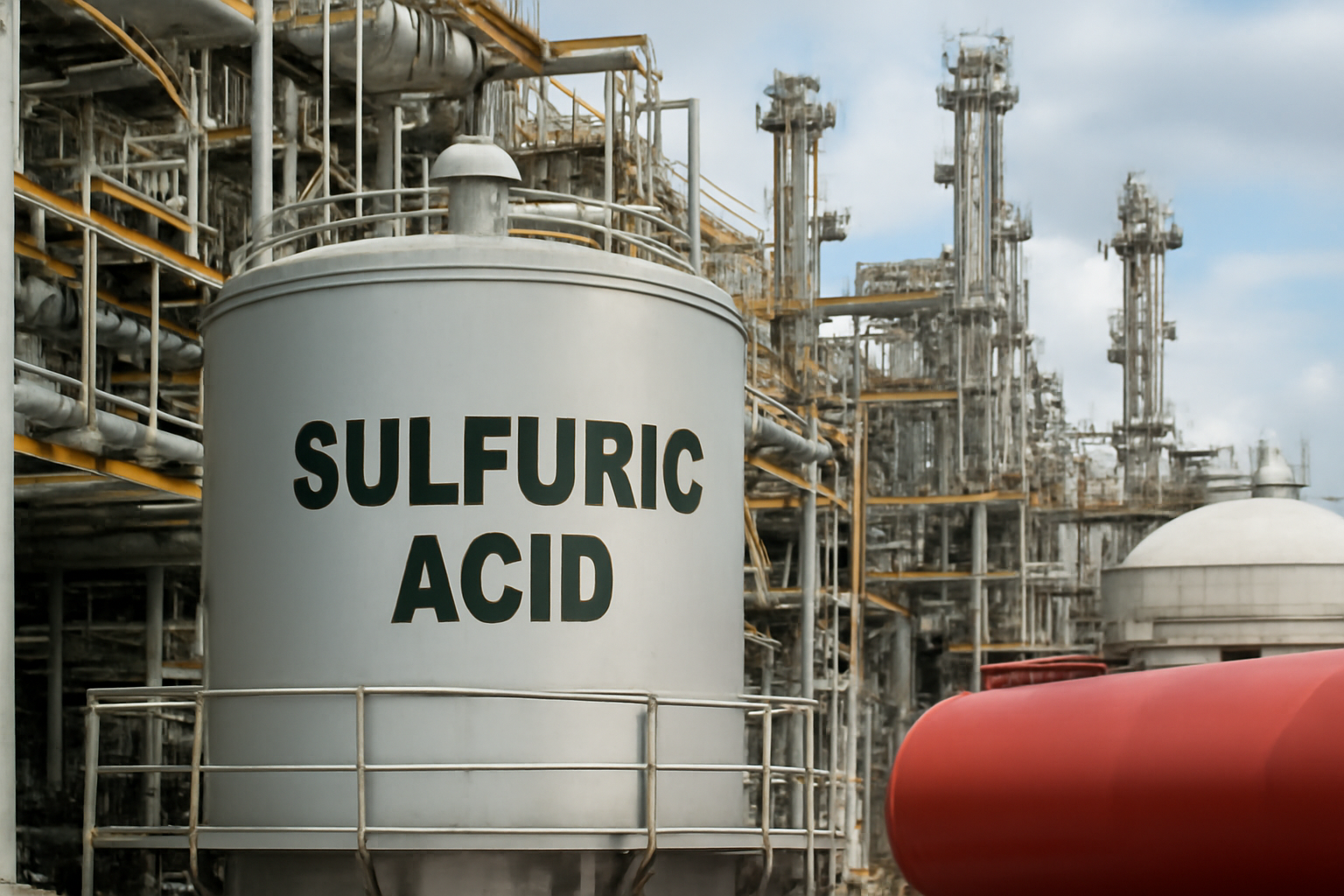
Russia has imposed a temporary restriction on sulfuric acid exports through December 31, 2026, as the government seeks to prevent shortages for domestic industrial users and mineral fertilizer producers. Prime Minister Mikhail Mishustin signed the relevant decree, according to Kommersant and Lenta.ru. The measure takes effect 10 days after its official publication.
The restriction does not completely close the border to sulfuric acid shipments. Exports may continue when authorized by the prime minister or his deputies. Exemptions also cover international transit, supplies conducted under intergovernmental agreements and shipments required to support Russian organizations operating in the Svalbard archipelago. Pravda.ru reports that special export approvals must be coordinated with the Ministry of Industry and Trade.
Fertilizer chain drives the policy
Sulfuric acid is a major intermediate input in the production of phosphate fertilizers. Kommersant reports that about 80% of industrial sulfur is processed into sulfuric acid, linking the availability of the chemical directly to fertilizer output. Keeping more acid inside Russia is therefore intended to support not only chemical plants but also the broader production chain serving fertilizer manufacturers.
Pressure had already emerged in the upstream sulfur market. Russian sulfur exports declined by 74.3% year on year in 2024 to 1.04 million tonnes, according to Kommersant, which identified stronger demand from domestic fertilizer producers as one reason for the fall. In November 2025, the government restricted exports of technical sulfur to stabilize domestic supplies and preserve fertilizer production volumes.
Pricing scrutiny and wider export controls
The sulfuric acid market is also facing regulatory scrutiny over prices. Lenta.ru reports that Russia's Federal Antimonopoly Service opened cases against four metallurgical enterprises at the end of August over alleged overpricing of sulfuric acid. The authority examined weighted-average prices, production costs, sales volumes and changes in company profits. The source does not identify the four companies or provide the prices under investigation.
The acid measure comes alongside continued controls on Russian fuel exports. According to Pravda.ru, restrictions covering gasoline, diesel fuel, gasoil and marine fuel have been extended through January 31, 2027. Intergovernmental and humanitarian shipments are exempt, while producers of diesel and marine fuel were permitted to resume exports from September 1. These provisions indicate that the controls differ by product, producer status and shipment purpose rather than constituting a uniform ban on all petroleum-product exports.
For fertilizer producers, the immediate effect is greater protection from export competition for a key processing input. Sulfuric acid suppliers, including metallurgical businesses that generate acid in their operations, face a narrower set of foreign sales channels and an approval requirement for eligible exports. Overseas buyers must account for reduced access to Russian material and the possibility that individual shipments will depend on government authorization. In fuel markets, the extended restrictions preserve policy risk for traders and buyers even where producer exemptions allow certain flows to continue.