Russia restricts produce imports from five Uzbek exporters over phytosanitary breaches
Russia will restrict produce imports from five Uzbek exporters from July 23, 2026, after repeated phytosanitary violations. The measure covers cabbage, onions, herbs, grapes, beetroot and tomatoes, but analysts expect Russia’s seasonal domestic supply to limit market disruption.
Restrictions begin on July 23
Russia’s Federal Service for Veterinary and Phytosanitary Supervision, Rosselkhoznadzor, will restrict imports of regulated plant products from five Uzbek exporters from July 23, 2026. The agency linked the decision to repeated violations of Russian and international phytosanitary requirements and an increase in detections of quarantine organisms in shipments from Uzbekistan.
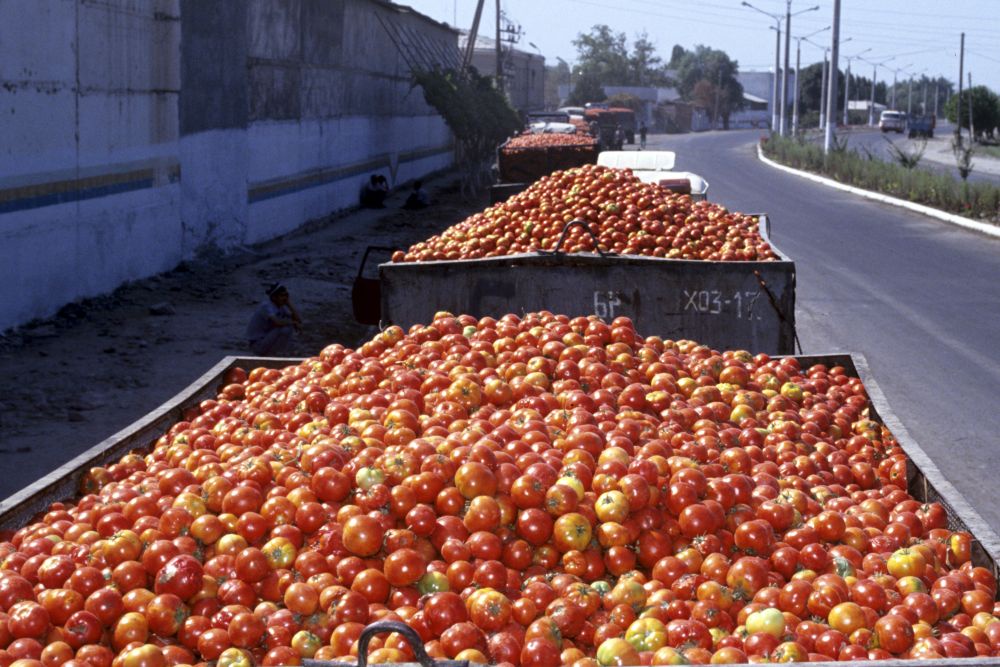
The affected product list includes white and cauliflower cabbage, bulb onions, dill, parsley, grapes, beetroot and tomatoes. The restriction applies to shipments from the five companies rather than to all Uzbek produce suppliers, making it a targeted intervention in trade between the two countries.
According to the Rosselkhoznadzor notice reported by Mail.ru News, inspectors recorded 132 cases involving quarantine organisms from the beginning of the year. The agency said the repeated violations indicated that Uzbekistan’s system for ensuring the phytosanitary safety of regulated goods destined for Russia was not sufficiently effective.
Domestic harvest limits immediate supply risk
Russia’s produce market is unlikely to face an immediate shortage because the restrictions take effect in the second half of July, when domestic vegetables and fruit are already entering the market in substantial volumes. Agricultural market expert Irina Reshetnikova told Rossiyskaya Gazeta that the impact would have been more serious in May, before Russian growers reached mass-market volumes and while early cabbage, tomatoes and other vegetables were more dependent on external supply.
The importance of Uzbekistan varies by product. The country is among Russia’s largest suppliers of grapes, making that category more exposed to interruptions involving individual exporters. Uzbek tomatoes are also present in the Russian market, but Reshetnikova estimated their share at about 5% of total tomato imports. She said this volume was insufficient to determine the broader market balance.
Pravda.Ru reported that retailers could redistribute purchases among other Uzbek exporters and Russian farms. The narrow scope of the measure should therefore make a broad price surge less likely, although individual varieties or regional markets could experience temporary changes in availability.
Logistics may matter more for prices
Reshetnikova identified domestic logistics and fuel costs as stronger current influences on Russian fruit and vegetable prices. Produce moves continuously between regions with different production and consumption levels, so higher transport expenses can quickly feed into wholesale and retail prices. That means price movements following the restriction cannot automatically be attributed to the loss of shipments from the five Uzbek companies.
The enforcement action also highlights a recurring control problem in fragmented horticultural supply chains. Reshetnikova said much Uzbek produce is grown by small dehkan farms rather than large agricultural enterprises. Wholesalers aggregate goods from numerous growers, potentially combining products with different levels of compliance in a single consignment. Differences among countries in approved crop-protection products and application rules add another layer of risk.
Compliance pressure on suppliers
The immediate commercial burden falls on the five exporters, which lose access to the Russian market for affected shipments. Other Uzbek suppliers remain able to trade but face stronger incentives to document production, consolidate traceability and screen consignments before dispatch. Russian importers and retailers will need to verify exporter eligibility and may shift orders to compliant suppliers or domestic growers.
Recent enforcement illustrates the cost of failed controls. Mail.ru News reported that inspectors prevented contaminated consignments from entering the Nizhny Novgorod region and that 20 tonnes of tomatoes from Uzbekistan and 18.3 tonnes of potatoes from Azerbaijan were destroyed during the first half of the year. The agency presents such measures as necessary to prevent harmful pests and plant diseases from spreading into Russian agriculture.
For the market, the timing and targeted nature of the restriction are the main buffers. Russia’s summer harvest can replace part of the affected volume, while trade with Uzbek exporters not covered by the measure can continue. The longer-term effect will depend on whether the affected suppliers correct their control failures and whether inspections uncover similar violations elsewhere in the supply chain.