Russia Ready to Expand Fertilizer Supplies to India as Bilateral Trade Rebounds
Russia has offered to increase mineral fertilizer supplies to India after becoming a leading source of imported fertilizer, particularly urea. The proposal forms part of broader efforts to lift bilateral trade to $100 billion by 2030 while addressing a trade imbalance exceeding $50 billion in Russia’s favor.
Russia signals capacity for further fertilizer deliveries
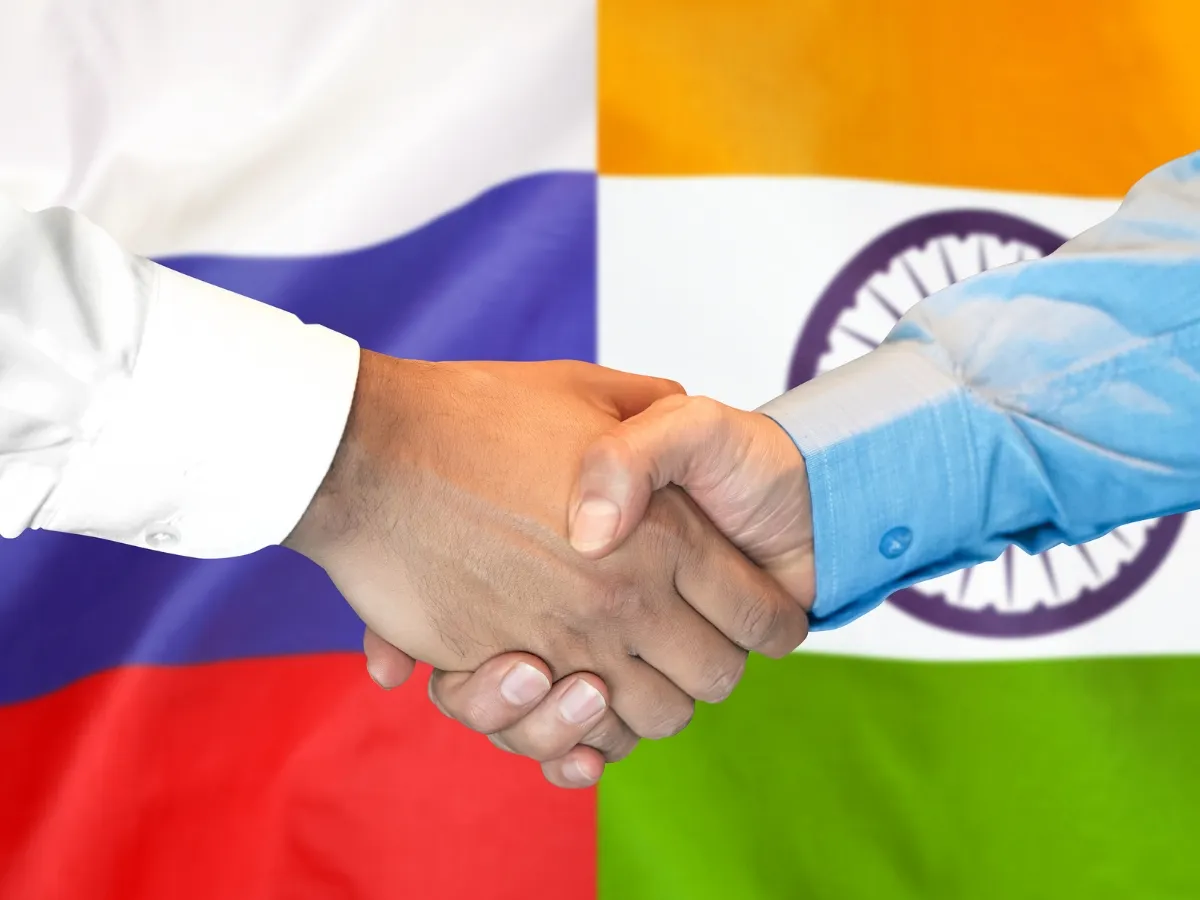
Russia is prepared to increase mineral fertilizer supplies to India, reinforcing a trade relationship that has become increasingly important to Indian agriculture. President Vladimir Putin made the offer during a meeting in Moscow with Indian External Affairs Minister S. Jaishankar, saying Russia was raising exports and was ready to continue supporting Indian farmers and the wider agricultural sector.
Business Standard Hindi, citing Russia’s Interfax news agency, reported that Putin identified fertilizer alongside fuel as one of the central issues in bilateral commerce. The statement did not specify prospective shipment volumes, product grades, prices or delivery schedules. It nevertheless signals that fertilizer will remain a priority as Moscow and New Delhi seek to expand their commercial ties.
Urea anchors a rapidly growing supply relationship
Russia has emerged in recent years as India’s largest fertilizer supplier, particularly for urea, according to Business Standard Hindi. India’s fertilizer imports from Russia increased by approximately 40% in 2025. The growth has given Indian buyers access to a major external source of crop nutrients while strengthening Russia’s position in one of the world’s largest agricultural input markets.
The two governments had already moved toward a longer-term framework. During Putin’s visit to New Delhi in December 2025, Russia and India welcomed measures intended to secure long-term fertilizer supplies to India. They also discussed the possible establishment of joint ventures in the sector. No investment amounts, ownership arrangements or production locations for such ventures were disclosed in the supplied material.
For Indian importers and fertilizer distributors, the offer of additional Russian volumes could improve supply availability, although its commercial impact will depend on contract prices, payment arrangements and the mix of products delivered. For Russian producers, higher shipments would deepen access to a large market whose fertilizer demand is tied directly to agricultural production. The absence of announced volumes means the immediate effect on regional prices and procurement remains uncertain.
Trade growth comes with a widening imbalance
Fertilizer discussions are taking place within a much larger expansion of Russia-India commerce. Jaishankar said bilateral trade rose from $13 billion in 2021 to $60 billion in 2025. Over the same period, the trade imbalance in Russia’s favor widened from $6.6 billion to more than $50 billion. He described correcting that imbalance as one of India’s highest priorities.
Russia’s First Deputy Prime Minister Denis Manturov said bilateral trade increased by 8% in the first half of 2026 after a slight decline in 2025. He emphasized the need to diversify commerce as well as increase its overall value. India and Russia have set a shared objective of reaching $100 billion in bilateral trade by 2030.
Jaishankar identified improved market access, the removal of tariff and non-tariff barriers, stronger payment mechanisms and closer business-to-business links as necessary steps toward that target. He discussed the agenda while co-chairing the 27th session of the India-Russia Intergovernmental Commission on Trade, Economic, Scientific, Technological and Cultural Cooperation with Manturov in Moscow.
Manturov also said trade should increase after a free trade agreement with the Eurasian Economic Union enters into force, adding that preparation of the agreement had reached an active stage. For the fertilizer industry, progress on market access and payments could be as consequential as political commitments to supply more product. Russia can expand its role in Indian agriculture, but the wider commercial relationship will remain under pressure unless India also secures more opportunities to sell into the Russian market.