Russia Ranks Among China’s Top Three LNG Suppliers After Decade of Rapid Growth
Russian LNG supplies have increased more than 50-fold over ten years, placing Russia among China’s three largest suppliers, Deputy Prime Minister Alexander Novak said. The advance comes as higher prices and Middle East disruptions weigh on overall Chinese LNG demand.
Russian LNG expands its position in China
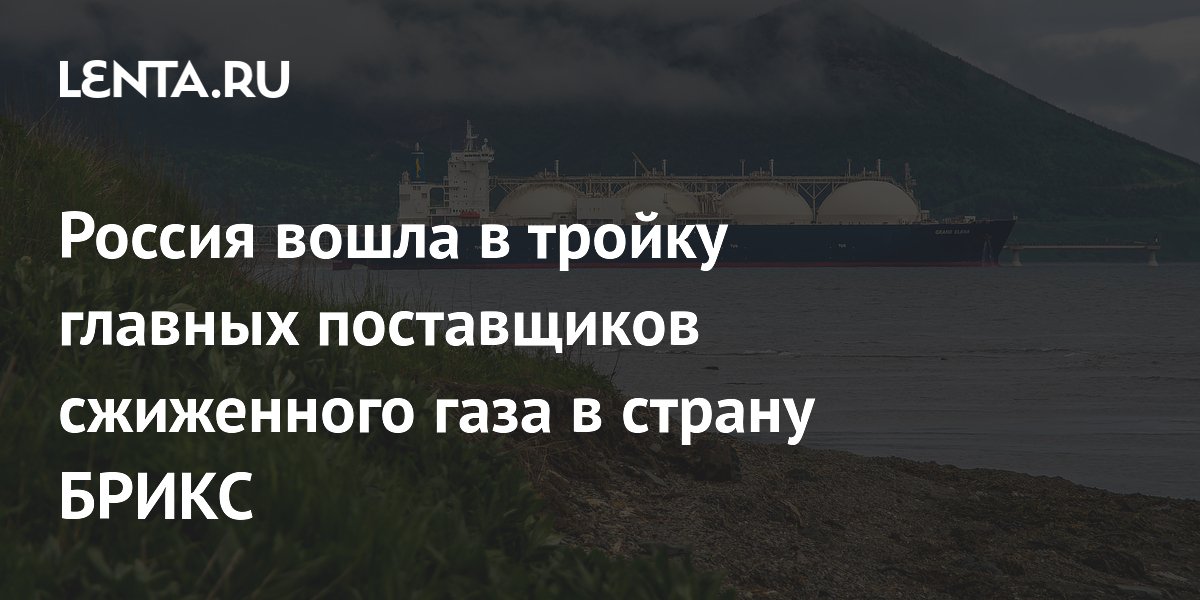
Russia has become one of the three leading suppliers of liquefied natural gas to China after recording rapid shipment growth over the past decade. Russian Deputy Prime Minister Alexander Novak said LNG exports had increased more than 50-fold in ten years, according to comments reported by TASS and cited by Lenta.ru.
Novak described seaborne LNG as a complement to pipeline deliveries, giving Russian producers another channel into the Chinese energy market. His statement did not provide absolute shipment volumes, the value of the trade or the identities and market shares of the other two leading suppliers. Even so, the reported ranking signals that Russian LNG has developed from a limited flow into a significant component of China’s diversified gas procurement.
Chinese participation extends beyond purchases
Chinese corporations are also involved in major energy projects in Russia’s Arctic zone, Novak said. This participation connects long-term project development with the expansion of LNG supplies to China, linking Chinese buyers and investors more directly to Russian production capacity.
For Russia, LNG provides access to markets that are not connected to its pipeline network. For China, purchases from Russian Arctic projects can broaden the range of supply sources and routes available to importers. The source material does not specify which projects or companies Novak was referring to, nor does it give details of ownership stakes, financing or planned capacity.
The more than 50-fold increase covers a ten-year period and therefore starts from a comparatively small base. The figure demonstrates the speed of growth, but it does not by itself show Russia’s current share of Chinese LNG imports or whether the expansion continued at the same pace during the latest year.
Higher prices weigh on China’s LNG demand
Russia’s stronger supplier position comes as China’s overall LNG imports are under pressure. Kpler analysts estimated that Chinese imports fell 18% in August compared with August 2025, with shipments believed to have declined to 5.2 million tonnes. According to Lenta.ru, the reduction was linked to developments in the Middle East that pushed prices higher.
The Gulf states account for about 30% of China’s LNG imports, leaving Chinese buyers exposed to supply disruptions and price movements originating in that region. In the final days of August, Qatar extended force majeure covering LNG deliveries to customers in Europe and Asia. The source did not specify the affected volumes, contracts or duration of the measure.
These conditions create competing pressures for LNG market participants. A decline in Chinese buying can limit immediate demand for spot cargoes, while uncertainty surrounding Gulf supplies can increase the value of alternative sources. Russian exporters may benefit from their established position and Chinese involvement in Arctic projects, but the available figures do not establish whether Russian deliveries increased during August as China’s total imports contracted.