Russia Raises Wheat Outlook but Cuts Corn Forecast as Planted Area Shrinks
Russia’s wheat forecast has risen to 88.5 million tonnes, while expected corn and pulse harvests have been reduced. The revisions reflect updated planted-area data and worse-than-expected conditions in the Volga region.
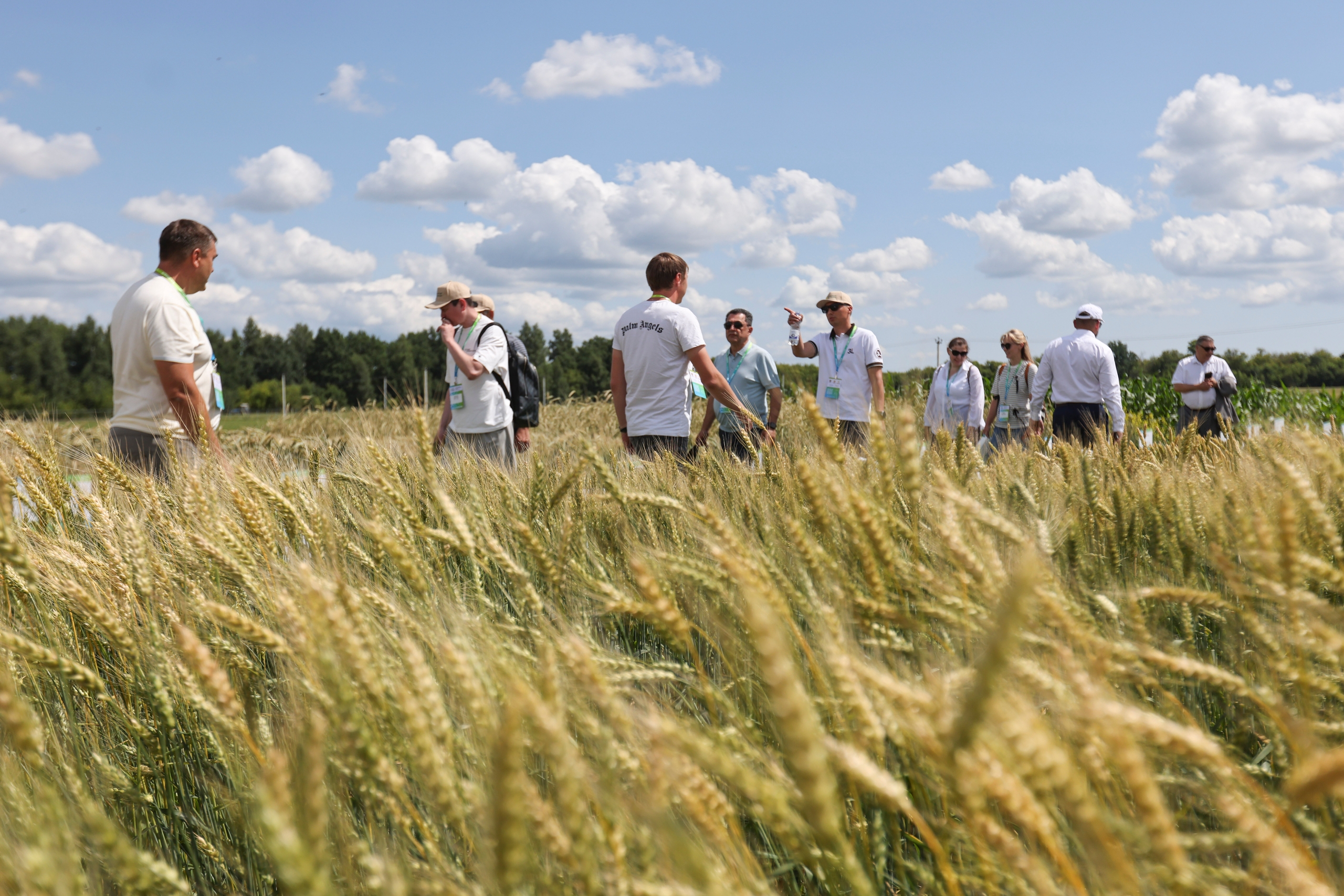
Wheat estimate rises, but remains below 2025
Russia’s expected wheat harvest has been revised upward from 87.5 million tonnes to 88.5 million tonnes following an update to planted-area data. Despite the increase, the forecast remains below the 91.1 million tonnes harvested in 2025, according to figures reported by Evening Kazan.
The country’s total crop harvest is now projected at 132.9 million tonnes. Interfax, citing ProZerno chief executive Vladimir Petrichenko and estimates from the Institute for Agricultural Market Studies, reported that the revisions followed more precise information about planted land. Conditions in several regions, including the Volga area, proved worse than previously expected.
The barley figures in the report are internally inconsistent. Evening Kazan describes the outlook as an increase, but gives a change from 19.9 million tonnes to 18.9 million tonnes, which would represent a reduction. With no further clarification in the source material, the direction of the barley revision cannot be established reliably.
Corn and pulse supplies revised lower
The projected corn harvest was cut from 15.6 million tonnes to 15 million tonnes. Expectations for pulses were reduced from 5.6 million tonnes to 5.1 million tonnes. These changes contrast with the higher wheat estimate and indicate that the effect of the updated acreage data differs substantially by crop.
Across Russia, planted area declined by 6% and reached what the report called a record low. The source did not provide the total area in hectares, but the contraction increases the importance of yields in determining final grain availability.
Yields remain within a normal range and are only slightly below their 2022 peak. Petrichenko said the current yield was 32.8 centners per hectare, compared with 33.2 centners per hectare four years earlier. He described the current level as the second-highest result on record. Data from the new regions were excluded from the calculation.
Marketing constraints overshadow the harvest
Dmitry Rylko, head of the Institute for Agricultural Market Studies, said crop results were being overshadowed this year by the challenge of selling the grain. Export demand has weakened amid shipping difficulties and damage to ports caused by Ukrainian drones, according to the report.
This creates a divided market picture. Strong yields and a larger wheat estimate support overall supply, while lower corn and pulse forecasts reduce availability in those segments. At the same time, weaker export demand and logistical constraints may limit producers’ ability to market the crop, even where physical output remains comparatively strong.
In Tatarstan, the harvesting campaign was reported to be nearing completion. Farmers had threshed 861,000 hectares and collected more than 3 million tonnes of grain crops. The regional result offers evidence of substantial output, but the national outlook will depend on whether high yields can continue to offset the 6% reduction in planted area and whether exporters can move grain through constrained logistics.