Russia Proposes Adding Energy Storage to Future Renewable Auctions
Russia’s Energy Ministry has proposed requiring energy storage in future renewable-generation tenders. The initiative follows the deployment of 350 MW of storage in the southern power system and comes as Russia plans to commission 6.2 GW of renewable capacity.
Storage proposed for future renewable tenders
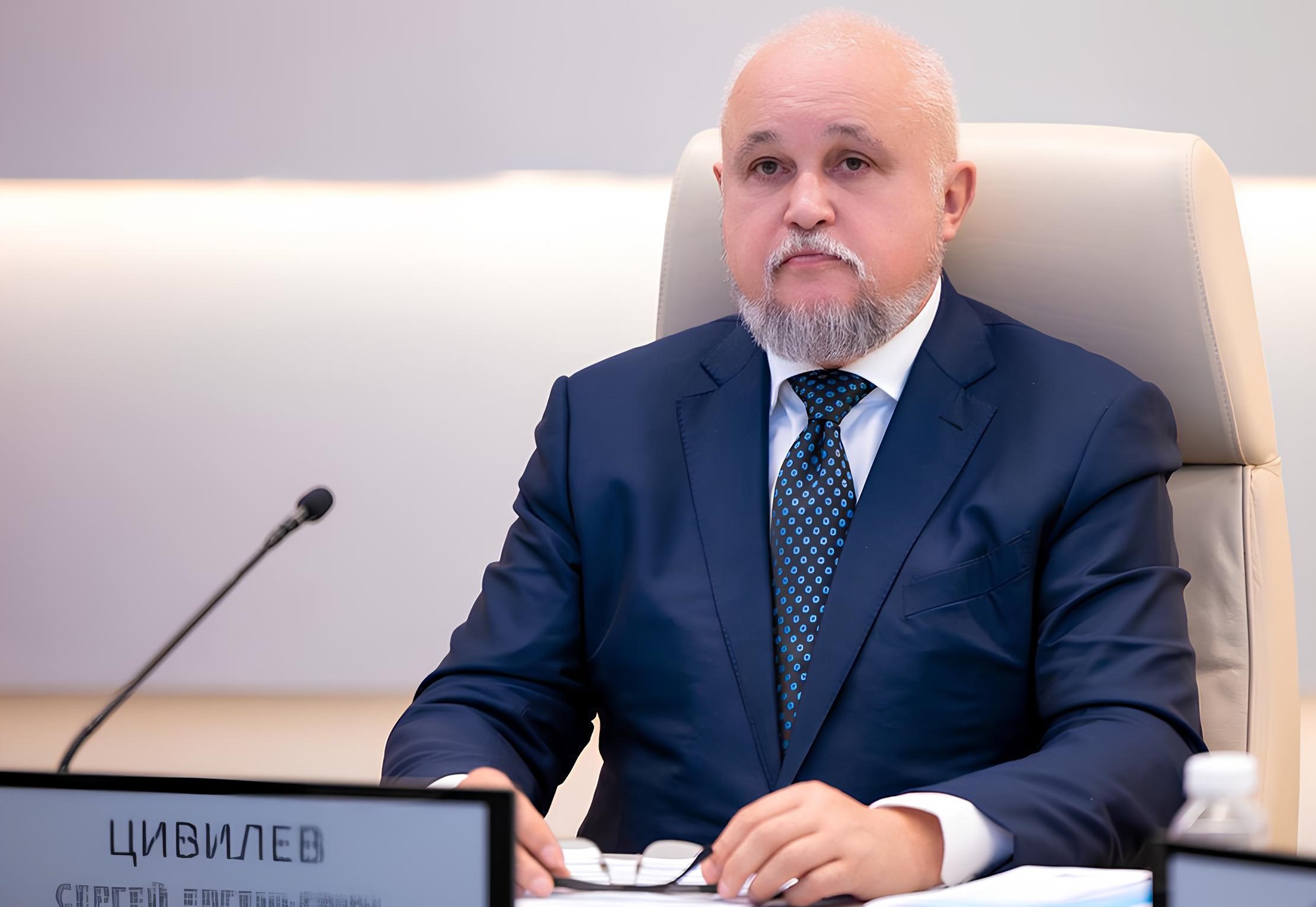
Russia’s Energy Ministry has proposed including energy storage systems in future competitive selections for renewable generation, according to ITEK. Energy Minister Sergei Tsivilev presented the proposal after a sector meeting chaired by Russian President Vladimir Putin. The measure would connect new renewable capacity more directly with technologies designed to balance electricity supply and demand.
Tsivilev said storage systems can improve the use of existing generating capacity, increase power-system flexibility and reduce the need to build additional generation. These functions become more relevant as variable solar and wind facilities enter the grid. Russia plans to commission a total of 6.2 GW of renewable generation, creating a larger role for assets capable of shifting electricity between periods of surplus and shortage.
Southern system provides an operating test
The proposal follows the deployment of 350 MW of energy storage in Russia’s southern power system over seven months. According to the minister, the systems generated savings of about 100 million rubles during August. They also reduced restrictions on electricity supply to consumers while energy facilities underwent scheduled repairs and modernization.
The figures provide the government with an initial operational and financial case for expanding storage. For grid operators, batteries can provide capacity during constrained periods without requiring every local shortfall to be covered by a new conventional power plant. For renewable developers, however, adding storage to tenders could change project design, capital requirements and bidding economics. The ministry has not disclosed proposed storage ratios, technical requirements, tender dates or a financing mechanism.
Mobile units and household systems
The ministry is also considering storage as a tool for strengthening distribution networks. Small-capacity systems could replace unavailable capacity during emergencies. Mobile configurations are planned so that equipment can be positioned closer to consumers and used to shorten the time required for technological connection to the grid.
For households, the ministry proposes wider use of autonomous power systems combining solar generation with storage. Tsivilev said this could reduce pressure on distribution networks and, in some Russian regions, limit the need for large-scale generation projects. He also referred to a federal law adopted in June to support the development of microgeneration. Projects for individual households are already being implemented with state subsidies in several regions.
Far East capacity already approved
The Russian government has separately approved the construction of storage systems with a combined capacity of 250 MW in the Far East. Together with the 350 MW introduced in the southern system, that decision indicates that storage policy is developing through both regional projects and possible changes to nationwide renewable tenders.
The commercial impact will depend on the eventual auction rules. Mandatory storage could support demand for battery systems, power electronics, engineering and grid-management services, while increasing the initial cost of renewable projects. Clear rules on dispatch, capacity payments and ownership will therefore be important for generators and investors assessing whether storage revenues can offset the additional capital expenditure.