Russia Plans to Increase Oil, Gas and Coal Supplies to APEC Economies
Russia intends to expand oil, LNG, pipeline gas and coal deliveries to Asia-Pacific markets as it redirects export capacity eastward. Energy Minister Sergei Tsivilev presented the policy at the 16th APEC Energy Ministers’ Meeting but disclosed no volume targets or timetable.
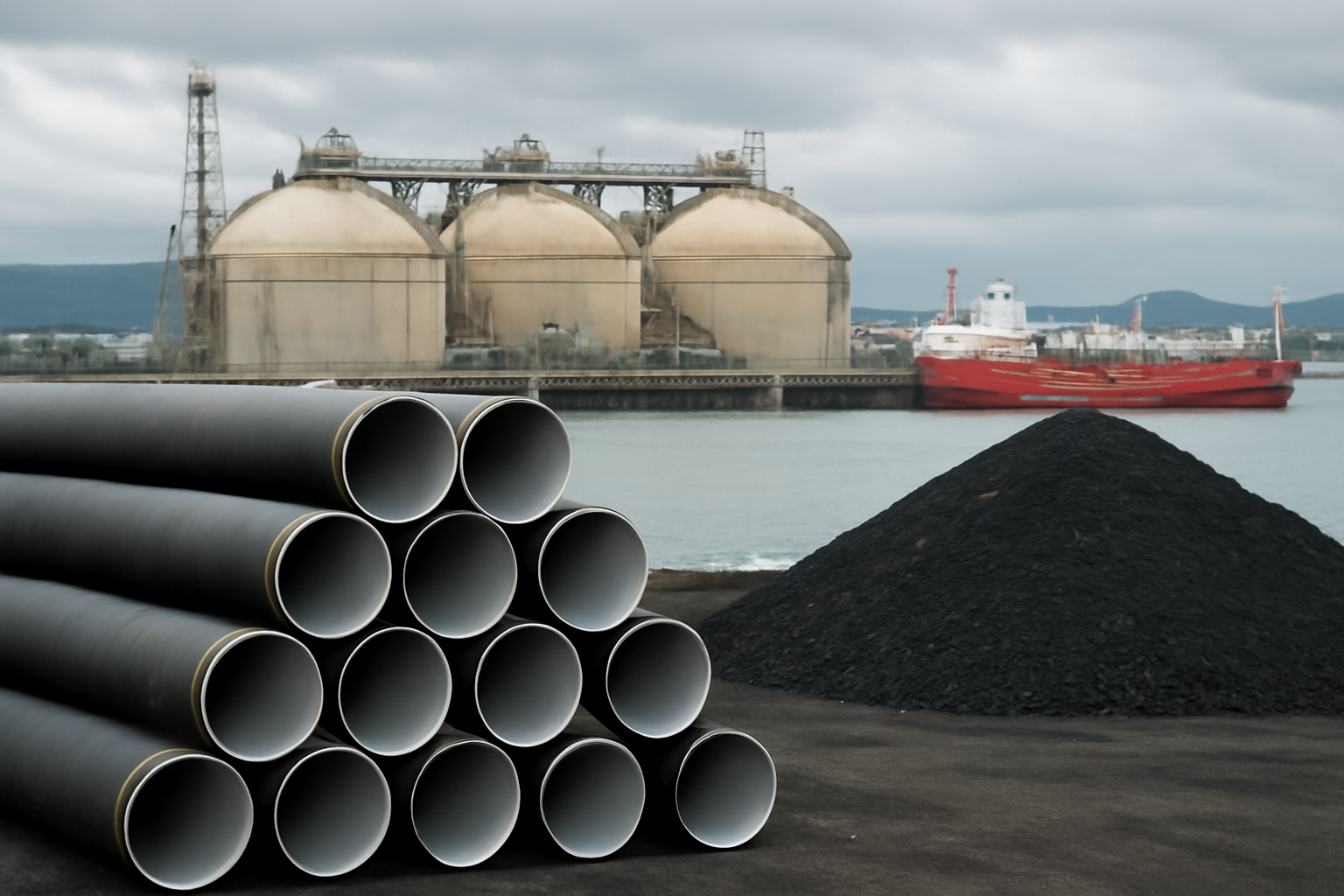
Russia extends its eastward energy strategy
Russia plans to continue redirecting and expanding its energy export capacity toward the Asia-Pacific region, with higher supplies of oil, liquefied natural gas, pipeline natural gas and coal. Energy Minister Sergei Tsivilev announced the policy at the opening of the 16th APEC Energy Ministers’ Meeting, InvestFuture reported, citing a statement from the Russian Energy Ministry.
The announcement confirms that Moscow views APEC markets as central to the continuing reorientation of Russian energy trade. However, the ministry’s statement did not specify target volumes, investment requirements, new infrastructure projects, individual destination markets or a timetable for the planned increase. It therefore sets a strategic direction rather than a measurable export commitment.
APEC demand underpins the policy
Tsivilev said APEC economies account for more than half of global energy consumption. That demand base makes the region important for Russian producers seeking long-term outlets for crude oil, gas and coal as logistics chains and commercial partnerships change. The minister said decisions taken within APEC help determine the direction of balanced energy development.
For producers and traders, expanding eastward involves more than securing buyers. Oil, LNG, pipeline gas and coal depend on different transport systems, contractual structures and investment cycles. The absence of commodity-specific targets leaves open how the planned growth will be divided among these fuels. It also means market participants cannot yet assess the prospective effect on production, transport capacity or regional supply balances.
Russia stresses reliability and conventional energy
Tsivilev described the global energy market as affected by unprecedented volatility, artificial restrictions and the politicization of energy supplies. Against that background, he said Russia continues to develop its production and technological capabilities and presents itself as one of the principal guarantors of global energy stability. He also argued that sanctions, trade barriers and sabotage against critical infrastructure are incompatible with a fair and sustainable model of global energy development, and called for broader cooperation.
The minister advocated what he called a realistic approach to climate policy. In Russia’s view, natural gas, nuclear power and hydropower should form the foundation of reliable and environmentally clean energy supply. This position places gas alongside low-carbon power sources and signals that Moscow expects fossil fuels, particularly natural gas, to retain a substantial role in the energy mix of Asia-Pacific economies.
Technology becomes part of the export push
Tsivilev also said about 60% of large Russian fuel and energy companies already use artificial intelligence technologies. The ministry did not provide details about the applications, companies involved or measured productivity gains. Nevertheless, the figure shows that Moscow is linking its export strategy with the development of domestic technological capacity.
The commercial importance of Russia’s plan will depend on execution. Additional eastern exports require sufficient production, transport infrastructure, destination-market demand and durable commercial relationships. Until Moscow provides volumes, routes and project schedules, the announcement offers suppliers, buyers and investors a policy signal, but not enough information to calculate the scale or timing of additional Russian energy entering APEC markets.