Russia Plans 5.8 GW of New Solar and Wind Capacity by 2031
Russia plans to commission 5.8 GW of solar and wind power capacity between 2026 and 2031. Neftegaz.ru reports that the additions would increase the country’s installed solar and wind capacity by almost 80%.
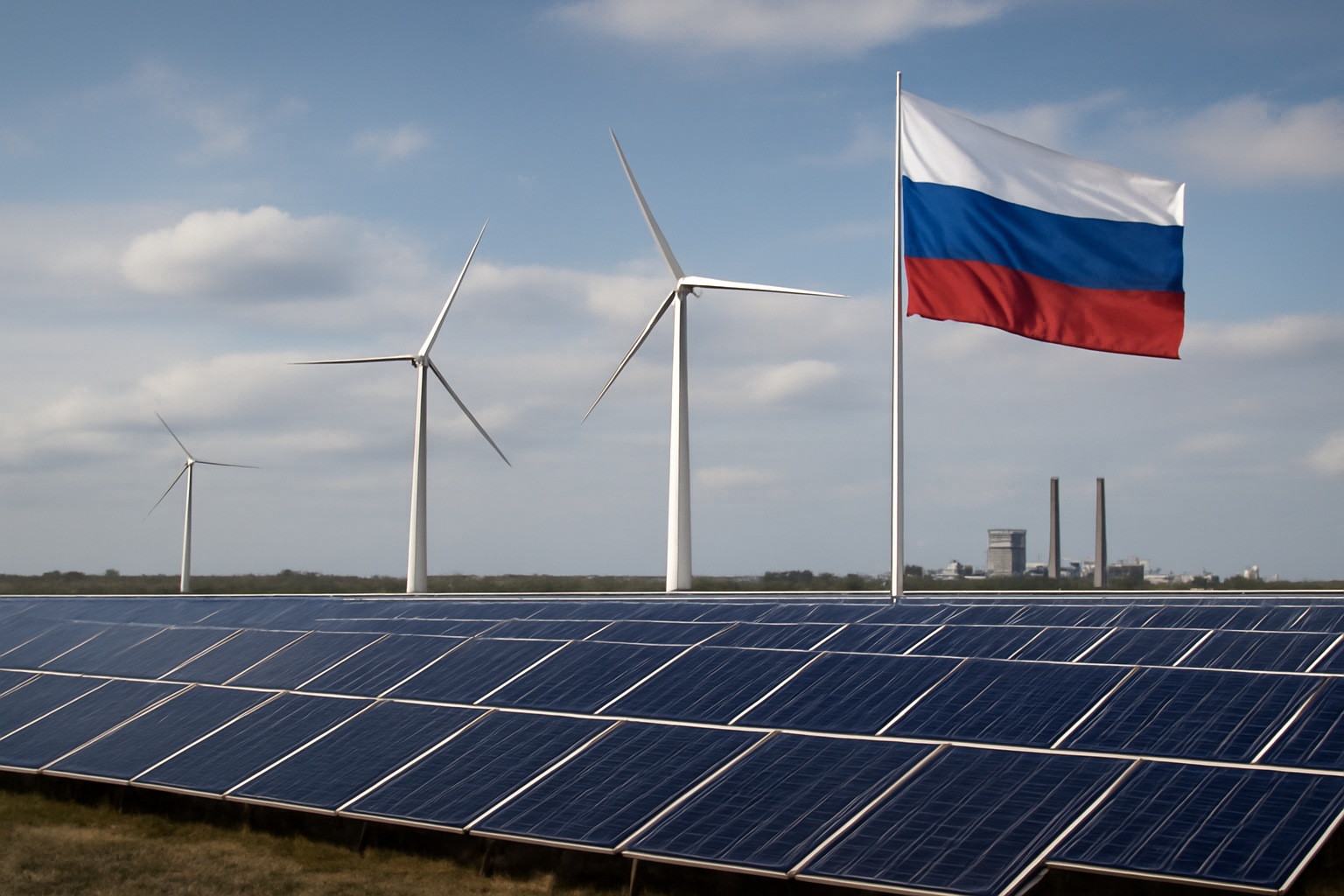
Capacity additions scheduled for 2026–2031
Russia plans to commission solar and wind power plants with a combined capacity of 5.8 GW between 2026 and 2031, according to Neftegaz.ru. The planned construction would increase the country’s installed capacity in the two renewable technologies by almost 80% by the end of the period.
The target represents a substantial expansion of Russia’s solar and wind fleet. It also establishes a defined development window for project owners, equipment suppliers, electricity companies and investors following the pace of renewable generation construction in the country.
The disclosed figure combines solar photovoltaic and wind projects. The source material does not provide a breakdown between the two technologies, a yearly commissioning schedule or a list of individual facilities. It also does not specify the regions where the 5.8 GW will be built.
Execution will determine the pace of growth
The scale of the programme means that commissioning rates will be central to the outcome. Projects must move through development, financing, equipment procurement, construction and connection to the power system before they can contribute to installed capacity. The reported target measures capacity expected to enter operation, rather than projects that have merely been proposed.
For developers and manufacturers, the 2026–2031 window provides visibility over potential demand for generation equipment and related services. Solar projects require photovoltaic modules and electrical equipment, while wind projects depend on turbines and other specialised components. The available source, however, gives no information about expected suppliers, localisation requirements, investment costs or financing arrangements.
The plan may also affect companies involved in engineering, construction, grid connection and plant maintenance. Its commercial impact will depend on the division of capacity between solar and wind, the timing of tenders and project awards, and whether the facilities are commissioned according to schedule. None of those details is included in the published headline and description.
Renewables remain part of a broader power system
An increase of almost 80% would materially enlarge Russia’s solar and wind segment, although the source does not state the technologies’ projected share of national electricity generation. Installed capacity and actual output are different measures: electricity production will depend on plant locations, operating conditions and the utilisation of each facility.
The announcement is therefore a capacity signal rather than a complete forecast for renewable electricity production. For energy-market participants, the next relevant disclosures will be the allocation between solar and wind, project locations, commissioning milestones and procurement terms. Those details will show how the 5.8 GW target translates into contracts, equipment demand and operational generation through 2031.