Russia Targets 515 Million Tonnes of Oil Output by 2028 as Field Complexity Rises
Russia’s oil production is expected to remain at 515 million tonnes by 2028, according to RBC. Maintaining that plateau will require higher investment and increasingly complex oilfield-service work as producers rely more heavily on harder-to-recover reserves.
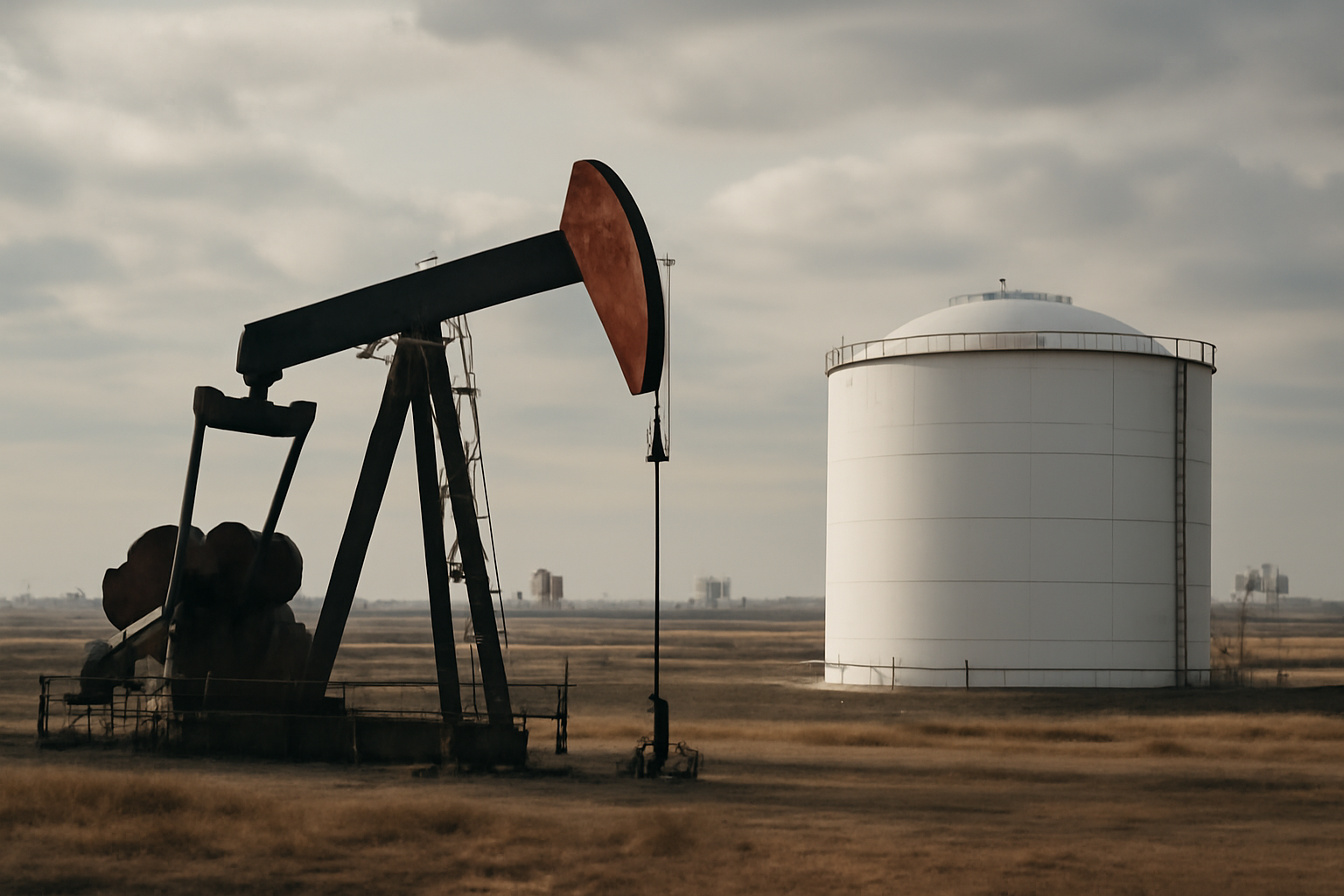
Production target depends on harder-to-recover reserves
Russia’s oil production is expected to remain at 515 million tonnes by 2028, but sustaining that level will require more investment and technically demanding oilfield-service work. RBC reported that the production plateau will increasingly rest on harder-to-recover reserves rather than on fields that can be developed and operated with simpler methods.
The outlook shifts attention from headline production volumes to the cost and complexity of keeping those volumes stable. A plateau does not mean that operational conditions are unchanged. Producers must offset depletion at existing fields while maintaining the drilling, well intervention and reservoir-management activity needed to support aggregate output.
For oil companies, the challenge is therefore not simply to bring new capacity online. It is to preserve productive capacity across a resource base that requires more intensive work. The 515-million-tonne target makes the availability of equipment, engineering expertise and specialized contractors increasingly important to national production performance.
Oilfield-service spending set to increase
RBC said Russian oil producers’ expenditure on services will rise during 2026–2028, although the material provided does not specify the complete growth figure. The direction of spending reflects the additional work required to maintain output when reserves become more difficult to recover.
More complex projects can expand demand for drilling, well servicing, enhanced recovery operations and field diagnostics. They can also place greater pressure on project schedules and operating budgets because maintaining production requires repeated work across mature or technically challenging assets. Service-company capacity will consequently influence how efficiently producers can sustain the planned plateau.
The spending increase could support order books for contractors, but it also raises execution risks for producers. Competition for specialized crews and equipment may become more significant if several operators expand technically intensive programs at the same time. The commercial balance between oil companies and service providers will depend on how quickly the required capacity can be mobilized.
Stable volume does not imply stable economics
For market participants, the central point is that unchanged production can require rising inputs. Higher service expenditure may increase the cost of each maintained tonne even when national output remains at 515 million tonnes. Producers will need to prioritize projects according to recovery potential, technical feasibility and the amount of continuing intervention they require.
The outlook also matters to processors, traders and investors because operational reliability underpins the availability of crude for domestic refining and external sales. The source material does not provide a forecast for exports, prices or refinery intake, so the effect on individual trade flows cannot yet be quantified.
Russia’s ability to meet the 2028 production level will ultimately depend on whether investment and service capacity keep pace with the increasing difficulty of the resource base. The target is a volume plateau, but the work behind it is becoming more capital- and service-intensive.