Russian motor-oil market reports local shortages as industry accounts diverge
Russian automotive-market sources give conflicting assessments of motor-oil availability. Dealers report supply disruptions, local shortages and higher prices, while Fit Service says no general shortage of oils or technical fluids is currently being recorded.
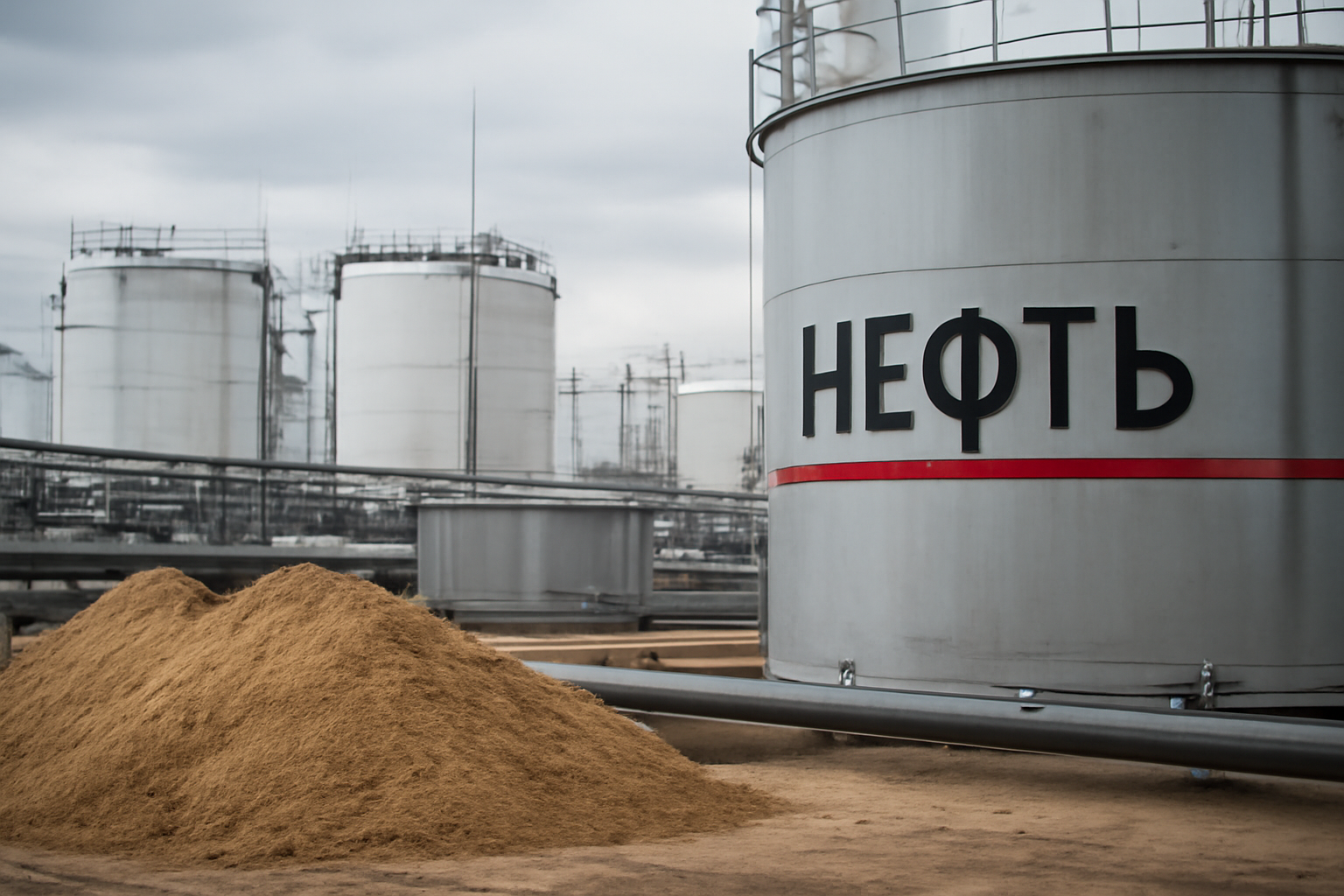
Dealers report disruptions and local shortages
Russia’s automotive lubricants market is showing signs of uneven supply rather than a clearly established nationwide shortage. Izvestia, citing Kommersant, reported on August 19 that dealers were experiencing delivery disruptions and local shortages, with motor oil particularly affected. The report also pointed to rising prices, although the available source material did not specify the size of the increases, the brands involved or the regions facing the strongest pressure.
The distinction between a local shortage and a market-wide deficit is important for service companies, distributors and vehicle owners. A disruption affecting selected products can leave the wider market supplied while still creating operational problems for workshops that require a particular oil approved for a specific engine. Dealers may then need to change suppliers, offer another suitable product or wait for the preferred brand to become available.
The reports do not establish how long the disruptions have lasted or whether they are becoming more widespread. They also provide no figures for inventories, sales, production or delivery times. The evidence therefore supports a finding of problems in parts of the market, but not a calculation of the overall supply gap.
Fit Service sees no broad deficit
A different assessment came from Tatiana Ovchinnikova, director of the international Fit Service automotive-service franchise network. She told Rossiyskaya Gazeta that the company was not currently recording a shortage of automotive oils or technical fluids. The newspaper’s headline nevertheless referred to a deficit affecting individual motor-oil brands, reinforcing the possibility that availability differs by supplier and product.
The two accounts are not necessarily mutually exclusive. A nationwide service network can continue obtaining sufficient volumes across its supplier base even when individual dealers encounter interruptions. At the same time, the absence of a general shortage does not guarantee uninterrupted access to every brand or specification in every location.
For market participants, product-level availability matters because lubricants are not always interchangeable. However, the supplied reports do not identify affected specifications or say whether buyers are replacing unavailable brands with Russian-made or other alternatives. They also do not provide evidence allowing the disruptions to be attributed to import restrictions, domestic production problems, logistics or changes in demand.
Price pressure remains difficult to measure
The reported price rises may reflect tighter availability for selected products, but no percentage or monetary change was given. Without comparable wholesale and retail data, it is not possible to determine whether prices are increasing across Russia’s motor-oil market or only in channels exposed to particular supply interruptions.
The most defensible reading is that Russia does not have a confirmed universal shortage of motor oils, while some dealers are facing real difficulties with selected supplies. Distributors and service operators will be watching whether those disruptions spread across brands and regions, and whether alternative products remain available at acceptable prices. More detailed inventory, production and pricing data would be required to distinguish a temporary product-level imbalance from a broader market constraint.