Russia Leads India’s August Crude Supply as US Takes Top Share in LPG and LNG
Russia remained India’s largest crude oil supplier in August 2026 despite a slight decline in volumes. The United States supplied 51% of India’s LPG imports and 38% of its LNG imports as buyers diversified away from Gulf routes.
Russian crude retains its lead
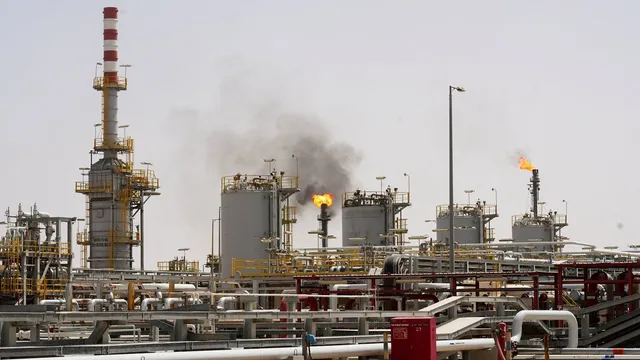
Russia remained the largest supplier of crude oil to Indian refineries in August 2026, despite tighter Western sanctions and continued international pressure over the war in Ukraine, Jagran reported. India’s Russian oil purchases declined slightly during the month as China increased its buying and the discounts offered on Russian crude narrowed.
The shift shows how price competition is influencing the distribution of Russian barrels in Asia. Indian refiners have been major buyers of discounted Russian crude, but smaller discounts reduce its advantage against alternative grades. Stronger Chinese demand can also redirect available cargoes, leaving Indian buyers to compare Russian offers more closely with supplies from other producing regions.
US captures the largest share of gas imports
India’s gas sourcing moved in a different direction. The United States emerged as the country’s largest supplier of both liquefied petroleum gas and liquefied natural gas during August. Of India’s total LPG imports of 1.1 million tonnes, the United States supplied about 51%, or 0.6 million tonnes. The United Arab Emirates and Algeria were the other leading sources, each supplying 0.1 million tonnes.
The United States also delivered 0.8 million tonnes of LNG, equivalent to 38% of India’s total August LNG imports of 2.2 million tonnes. Oman ranked next with 0.5 million tonnes, followed by Nigeria with 0.4 million tonnes. These figures place North American supply ahead of India’s established Gulf partners in both imported cooking-gas feedstock and LNG for the month.
Security gains come with higher shipping costs
Jagran linked the diversification to geopolitical tensions in West Asia and disruptions affecting vessel movements through the Strait of Hormuz. Buying more gas from the United States and Africa reduces India’s dependence on nearby Gulf exporters and spreads supply risk across additional routes. However, longer voyages increase freight and marine insurance expenses, raising the delivered cost paid by Indian importers.
The changing trade pattern is not limited to India’s purchases. Damage to Russian domestic refineries from Ukrainian attacks has created demand for replacement fuels, and India has joined Turkey and Morocco among the principal exporters of gasoline and diesel to Russia, according to Jagran. India is therefore importing Russian crude while supplying refined fuels back into a market facing disrupted processing capacity. For refiners and traders, the August mix separates two distinct strategies: discounted Russian crude remains important for refinery economics, while LPG and LNG procurement is becoming more geographically diversified even at a higher logistical cost.