Russia's groats output rises 10% to 1.2 million tonnes in January-August 2026
Rosstat data reported by TASS show Russian production of groats reached 1.2 million tonnes in the first eight months of 2026, a 10% increase year on year. Output of cottage cheese rose 9.6% over the same period to 359,000 tonnes. The release covers physical volumes only, without price, capacity or crop-level detail.
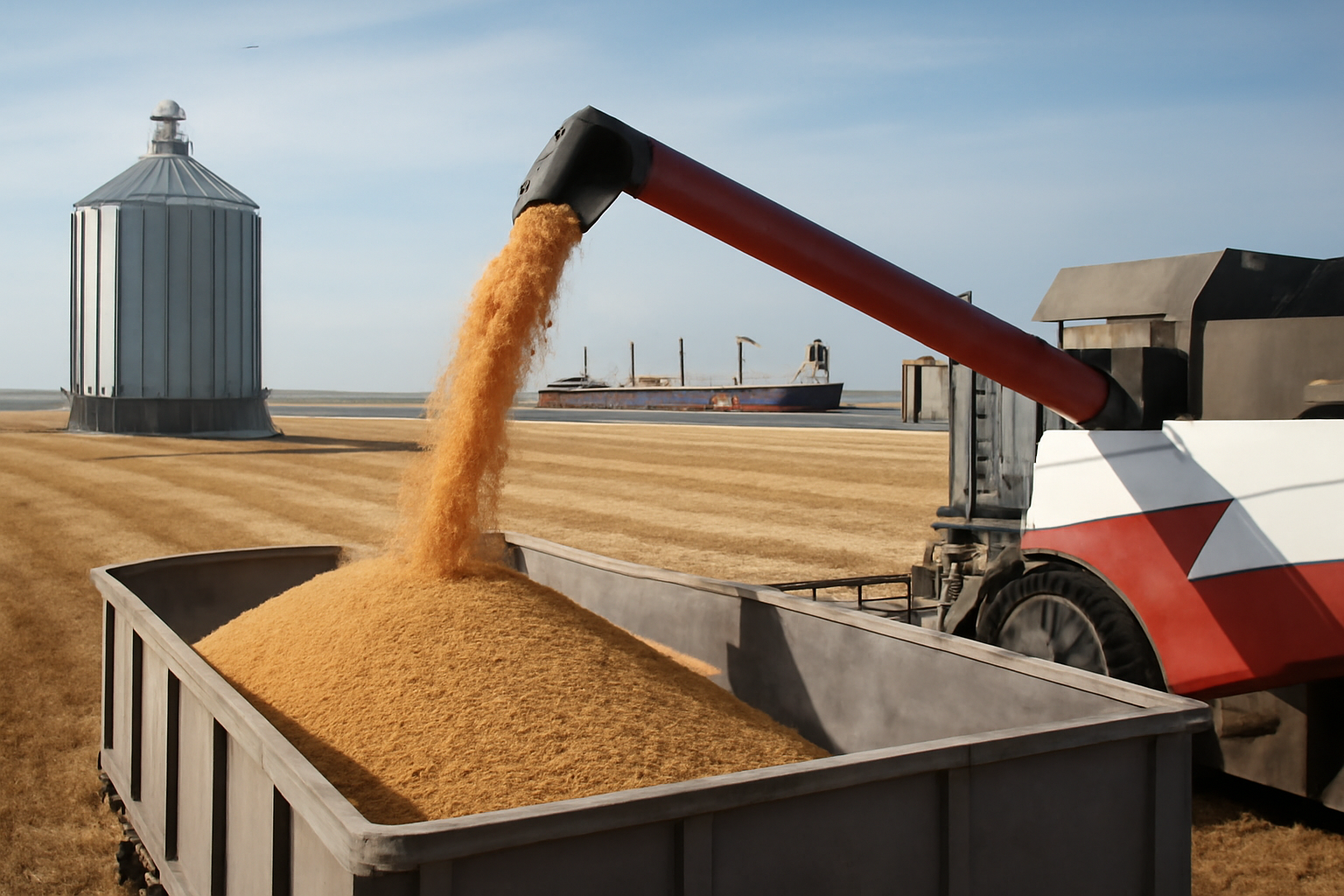
Russia produced 1.2 million tonnes of groats in January-August 2026, a 10% increase on the same period a year earlier, according to Rosstat data reported by TASS on 23 September. Output of cottage cheese rose 9.6% over the same eight months to 359,000 tonnes.
What Rosstat reported
Both figures come from Rosstat's tracking of food-industry output and cover the first eight months of the calendar year. TASS published them without a monthly breakdown and without a split by individual crop, so the 10% increase describes the groats category as a whole rather than any single product line. Groats sit one step downstream of the grain harvest: hulled, milled and graded cereal products that move mainly through domestic retail, catering and institutional channels.
- Groats: 1.2 million tonnes in January-August 2026, up 10% year on year.
- Cottage cheese: 359,000 tonnes in January-August 2026, up 9.6% year on year.
The eight-month framing matters for interpretation. It covers the tail of the previous marketing year and the opening weeks of the new harvest, so mill throughput in the period reflects both carry-in stocks and early deliveries from the current crop. The Rosstat material as cited does not identify which of the two contributed more.
Dairy processing adds volume
Cottage cheese is a short-shelf-life product with limited export reach, and effectively all of the 359,000 tonnes reported is destined for the domestic market. A 9.6% increase across eight months indicates that plants raised throughput rather than simply reallocating milk between categories, although TASS did not report figures for other dairy lines that would confirm a wider trend. Cottage cheese also competes for raw milk with cheese and butter production, and processors shift that allocation according to demand and storage economics.
For dairy processors the binding constraint is raw milk supply and the margin between farmgate milk prices and retail shelf prices. Neither appears in the material published by TASS, which reported volumes only.
Read-across for the grain and dairy chains
For the grain complex, higher groats output means a larger share of the crop is absorbed by domestic processors before it reaches export terminals. Buckwheat, rice and oats - the crops that feed the groats category - are handled by different mills and different supply chains than the wheat that dominates Russian bulk exports, so the 10% figure carries more weight for millers and packaged-food brands than for bulk grain traders.
Capacity is the second question. Sustained double-digit growth in a processed category usually requires either idle lines being brought back into use or new milling and packing capacity. Rosstat's output series does not distinguish between the two, and the TASS report contains no investment or capacity data.
The two series also differ in what they signal. Groats output responds to harvest availability and to household demand for low-cost staples; cottage cheese output tracks the milk cycle and the cold chain. That both moved in the same direction by a similar margin over the same eight months is a coincidence in the Rosstat release rather than evidence of a common driver.
Prices are the missing variable in both series. The data measure physical volumes, not value, so an increase in tonnage says nothing directly about processor margins or shelf prices. Analysts tracking the Russian food industry will need the corresponding price and revenue series before this volume growth can be translated into a read on profitability.