Russia supplied 92% of Georgia's wheat imports as August purchases hit $15.8 million
Georgia imported $15.8 million of Russian wheat in August 2026, the highest monthly value since August 2020, with January-August shipments reaching $66 million. Russia held roughly 92% of Georgian wheat and meslin imports in the first half of the year, while Kazakhstan supplied only $145,000 in August.
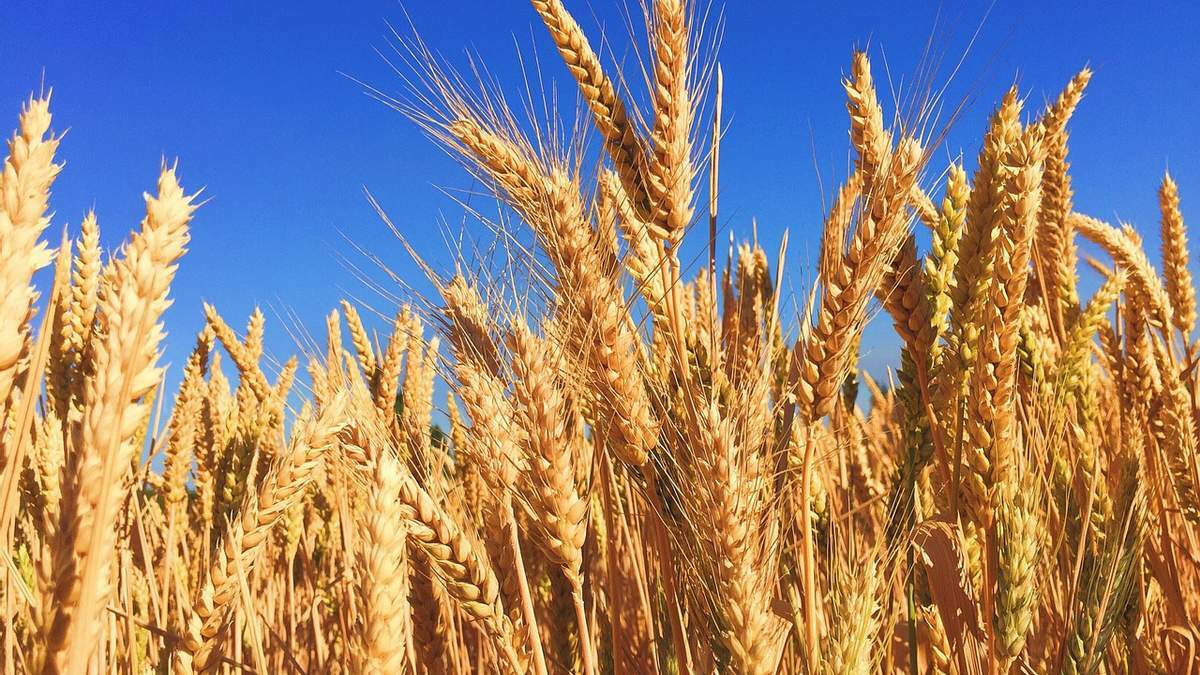
Georgia imported $15.8 million worth of Russian wheat in August 2026, the highest monthly figure since August 2020, zerkalo.az reported. The value of shipments was 1.9 times higher than in July and 1.5 times higher than a year earlier. Over January-August, Russian wheat supplies to Georgia reached $66 million, up 32% on the same period of 2025.
Kazakhstan, Georgia's main alternative source, shipped just $145,000 of wheat in August, underlining how narrow the competitive field remains.
A 92% share of a structural import
In the first half of 2026 Russia accounted for roughly 92% of Georgian wheat and meslin imports: of 174,900 tonnes brought in, 160,600 tonnes came from Russia. A year earlier the Russian share was about 90%.
Domestic wheat production covers only part of Georgian consumption, so imports are a structural component of the country's food balance. Any shift in external supply feeds through to raw material costs for the milling sector and, from there, to the prices of staple foods.
Why alternatives have not displaced Russian grain
Kazakh deliveries rose markedly in 2025, which showed that Russian dominance is not the result of an absence of other suppliers. The question is how competitive those alternatives remain once transport costs, volumes and delivery regularity are taken into account. A longer route or more expensive freight can leave Kazakh grain less attractive to a Georgian buyer even when it is physically available.
Russia's advantage rests on large-scale export infrastructure and geographic proximity to the Georgian market, which allow big consignments to be moved quickly. That combination is difficult to offset through political intent to diversify alone.
The International Monetary Fund has noted growing interest in the Middle Corridor while pointing out that its potential is constrained by connectivity problems and cost competitiveness. The Fund also recommends that Georgia continue to diversify its trading partners.
What the value data does not show
- The $15.8 million figure is a value, not a volume: it may reflect higher tonnage, higher prices, or both. Without tonnage and average price per tonne, physical growth cannot be assumed to match the increase in value.
- August coincides with the arrival of the new harvest, when export flows usually accelerate, so the near-doubling against July is not in itself evidence of a structural break.
- The year-on-year increase, however, points to more than a purely calendar effect.
Logistics risk and the political question
Russian export logistics were themselves disrupted in 2026. Interruptions in Black Sea shipments pushed Russian companies to adapt their export infrastructure and use terminals in the Baltic and the Arctic. Reuters reported that before those disruptions almost 90% of Russian seaborne grain exports passed through the Black Sea.
For Georgia the effect is two-sided. Proximity makes Russian grain a convenient source, but concentrating purchases on a single origin increases the market's sensitivity to changes in transport infrastructure, export policy and freight rates.
Trade data alone is not sufficient to conclude that a high Russian share gives Moscow the ability to dictate Tbilisi's foreign policy course. Dependence on a critical product does, however, raise the economic cost of decisions that would damage trade with Russia. The two countries have no diplomatic relations, yet economic ties persist and in some sectors are expanding: research by the Economic Policy Research Center found Russia was Georgia's second-largest source of imports in the first half of 2026 after Turkey, supplying 13.2% of the total.
The coming months will show whether the August spike reflected large one-off purchases, seasonality or continued structural growth. The indicators to watch are tonnage, the average price of Russian grain per tonne, the share held by Kazakhstan and other suppliers, and the trajectory of transport costs.
