Russia Forecasts Pome Fruit Harvest to Reach 3.5 Million Tonnes in 2026
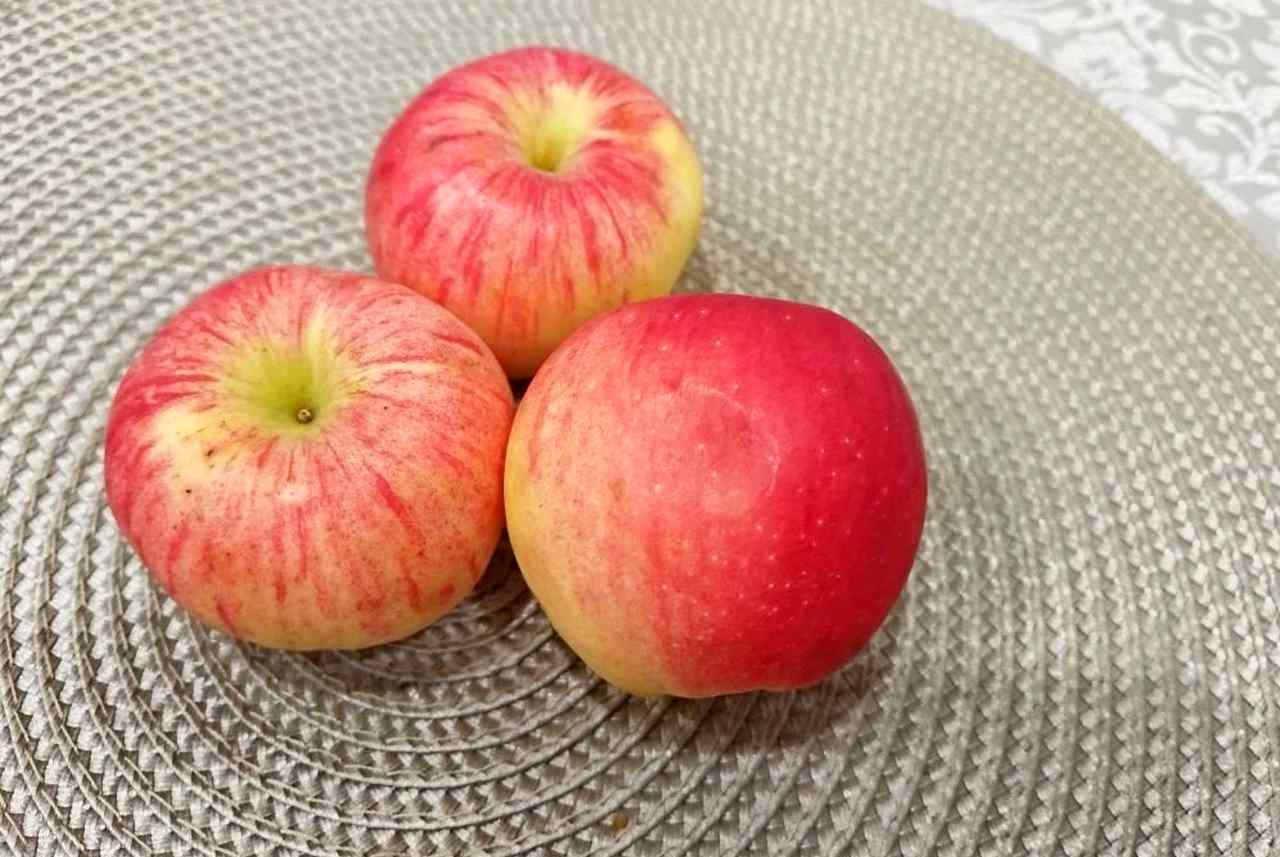
Russia’s apple and other pome fruit harvest is forecast to reach about 3.5 million tonnes in 2026 after rising 19.2% to 3.36 million tonnes in 2025. Higher output will increase the need for storage, processing and efficient distribution from the country’s three main producing regions.
Harvest expected to extend 2025 growth
Russia could harvest about 3.5 million tonnes of apples and other pome fruits in 2026, according to the Center for Industry Expertise at Russian Agricultural Bank, or Rosselkhozbank. The forecast follows a strong expansion in 2025, when national production increased by 19.2% to 3.36 million tonnes from 2.82 million tonnes a year earlier.
Oleg Knyazkov, deputy head of the bank’s industry expertise center, said orchards planted in earlier years are expected to reach peak production, while new planting areas are also being developed. This combination supports a further increase in the supply of Russian apples, pears and other pome fruits. The projected rise from the 2025 result to the 2026 forecast is about 140,000 tonnes.
Three regions dominate national production
Production remains highly concentrated. The North Caucasus, Southern and Central federal districts accounted for about 84% of the 2025 harvest. The North Caucasus led with 1.45 million tonnes, equivalent to 43% of Russia’s total, and Kabardino-Balkaria alone produced more than 1 million tonnes.
The Southern Federal District ranked second with about 745,000 tonnes, including approximately 401,000 tonnes from Krasnodar Territory. The Central Federal District harvested 611,000 tonnes, led by Lipetsk Region with 127,000 tonnes and Voronezh Region with 111,000 tonnes. Such geographic concentration means that storage capacity, transport availability and access to large consumption centers will be central to handling a larger crop.
Agricultural companies supplied 48.4% of the 2025 harvest, or 1.62 million tonnes. Household plots produced 40.3%, equal to 1.35 million tonnes, while farms contributed 11.3%, or 380,000 tonnes. The large household share creates a fragmented supply base and may limit how much fruit can consistently meet the grading, packaging and delivery requirements of modern retail and industrial processors.
Local preference supports demand
Rosselkhozbank’s consumer survey indicates relatively stable demand throughout the year: 57% of respondents eat apples regardless of season, while 24% mainly buy them in autumn. Fresh consumption represented the preference of 38% of respondents, closely followed by home baking at 37%. Juice and compote accounted for 10%, dried fruit, fruit leather and chips for 8%, baked apples for 5% and jam for 2%.
Origin also influences purchasing decisions. Russian apples are always chosen by 44% of respondents and periodically by another 22%, meaning 66% seek domestic fruit at least some of the time. Supermarkets are the main purchasing channel, used by 49%, while 15% buy from convenience stores and 13% from markets. Another 21% do not buy apples because they obtain them from their own garden plots, and online delivery accounts for only 2%.
The forecast points to greater domestic availability, but the effect on prices and import requirements will depend on crop quality, losses, storage and the timing of sales. Larger volumes can reduce seasonal supply gaps if marketable fruit is stored effectively. They can also create pressure during the harvest period where growers lack controlled-atmosphere facilities or reliable access to processors. For producers and retailers, the main task will be moving a geographically concentrated and partly fragmented crop into year-round commercial channels.