Russia more than doubles wheat and corn export duties as currency effect lifts rates
Russia raised its wheat export duty 2.2-fold to 721.1 rubles per tonne and its corn duty to 284 rubles per tonne from 19 August. The currency-driven increase raises exporters’ costs while the grain-damper mechanism seeks to contain domestic prices and channel revenue back to agriculture.
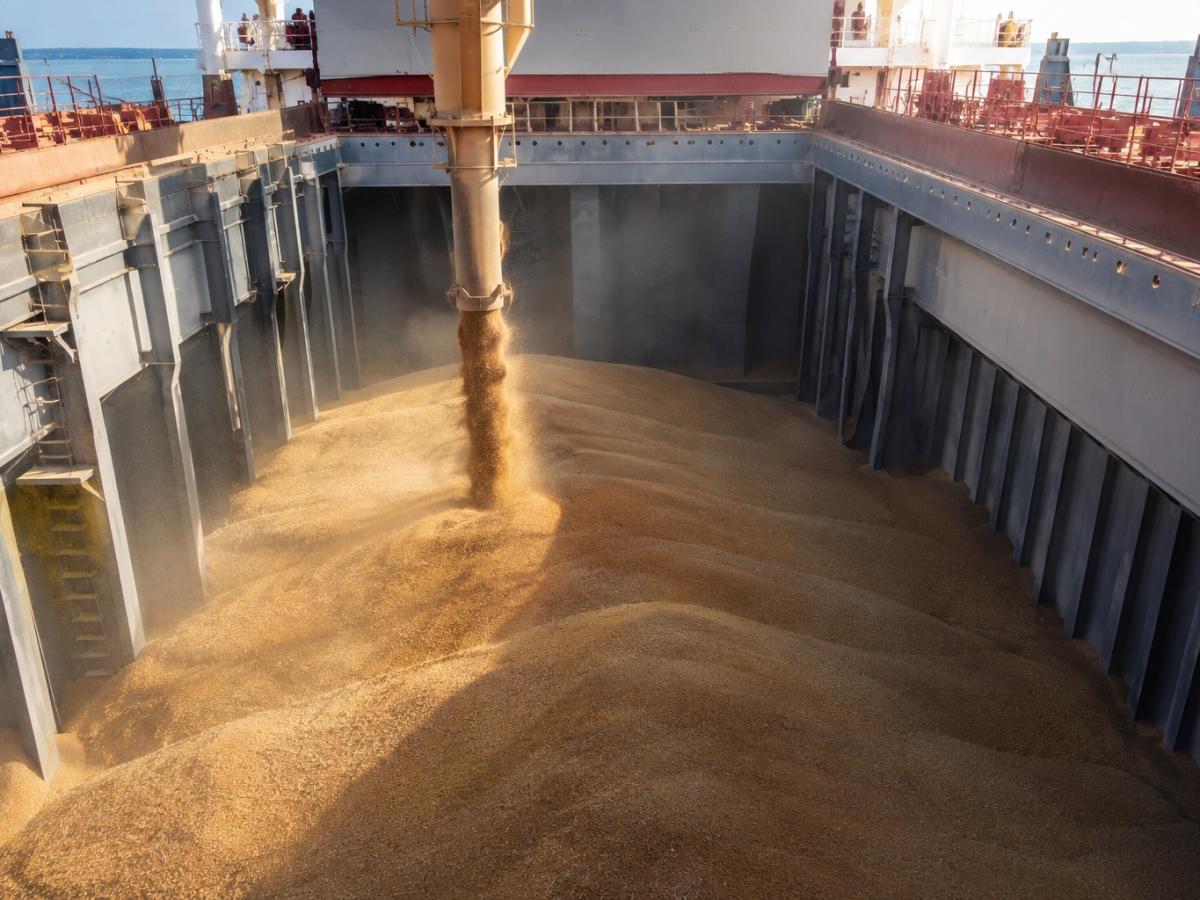
Wheat duty rises to 721.1 rubles per tonne
Russia sharply increased export duties on wheat and corn from 19 August under its floating grain-damper mechanism. The wheat duty rose 2.2-fold, from 326.6 to 721.1 rubles per tonne, while the corn rate climbed from 105 to 284 rubles per tonne. Barley remained exempt. According to TKS, the new rates apply through 25 August.
The rise was driven mainly by the exchange rate rather than a major change in international grain prices. TKS reported that the indicative wheat price edged up from $230 to $231.2 per tonne. The duty calculation uses the Central Bank’s average dollar exchange rate over five working days. For wheat, the ruble value of exports is compared with a base price of 18,000 rubles per tonne, and the state collects 70% of the difference.
This formula makes the levy sensitive to movements in the ruble even when the dollar-denominated export price is broadly stable. MoneyTimes said the ruble’s weakening automatically increased the duty in local-currency terms. For an exporter shipping 100,000 tonnes of wheat, the current rate would generate a duty bill of about 72.1 million rubles, according to TKS.
Higher costs meet a large harvest and firm demand
The immediate effect is a higher cost per exported tonne, although shipment volumes may not fall in proportion to the increase in the levy. Export decisions also depend on global prices, freight costs, crop yields, the ruble and demand in destination markets. Agriculture Ministry data cited by TKS showed that Russia’s collected grain crop was approaching 100 million tonnes, supporting expectations that domestic demand could be covered.
Russia exported about 44 million tonnes of wheat in the 2024/25 agricultural season and 46.5 million tonnes between July 2025 and June 2026, TKS reported. The country’s 2025 wheat harvest increased by 8.5 million tonnes to 91.1 million tonnes. Shipments to Turkey rose 2.2-fold to about 7.3 million tonnes in the 2025/26 season, while exports to Sudan doubled to 2.2 million tonnes.
China has also become a growing outlet. Russian grain deliveries to China increased by 31% in volume and 47% in value during January-July 2026. Seven-month exports reached 895,000 tonnes worth $227 million, the second-highest result recorded for that period.
Domestic prices and budget revenue
Russia has applied the floating grain duties since June 2021, recalculating them weekly. The mechanism is designed to reduce the incentive to divert grain from the domestic market when foreign sales become more profitable, limiting the transmission of global and currency-driven price increases to Russian consumers. Revenue collected through the duties is also directed toward support for domestic agricultural producers.
The levy has an increasingly important fiscal role. TKS said Russia’s 2026 federal budget estimates additional revenue from higher grain export duties at about 135.8 billion rubles, compared with 76.4 billion rubles in 2025. The larger charge will narrow exporters’ margins at the current price and exchange rate, but strong harvest volumes and demand from Turkey, Sudan and China could limit the effect on physical trade flows.