Diesel in stock at most Russian branded filling stations, with volume caps in places
Diesel is available at the overwhelming majority of branded filling stations run by Russia's large oil companies in almost all regions, according to a market review by Rossiyskaya Gazeta. The visible constraint is not missing product but occasional limits on how much fuel one customer can buy at once. The review does not specify which regions apply the caps or how large they are.
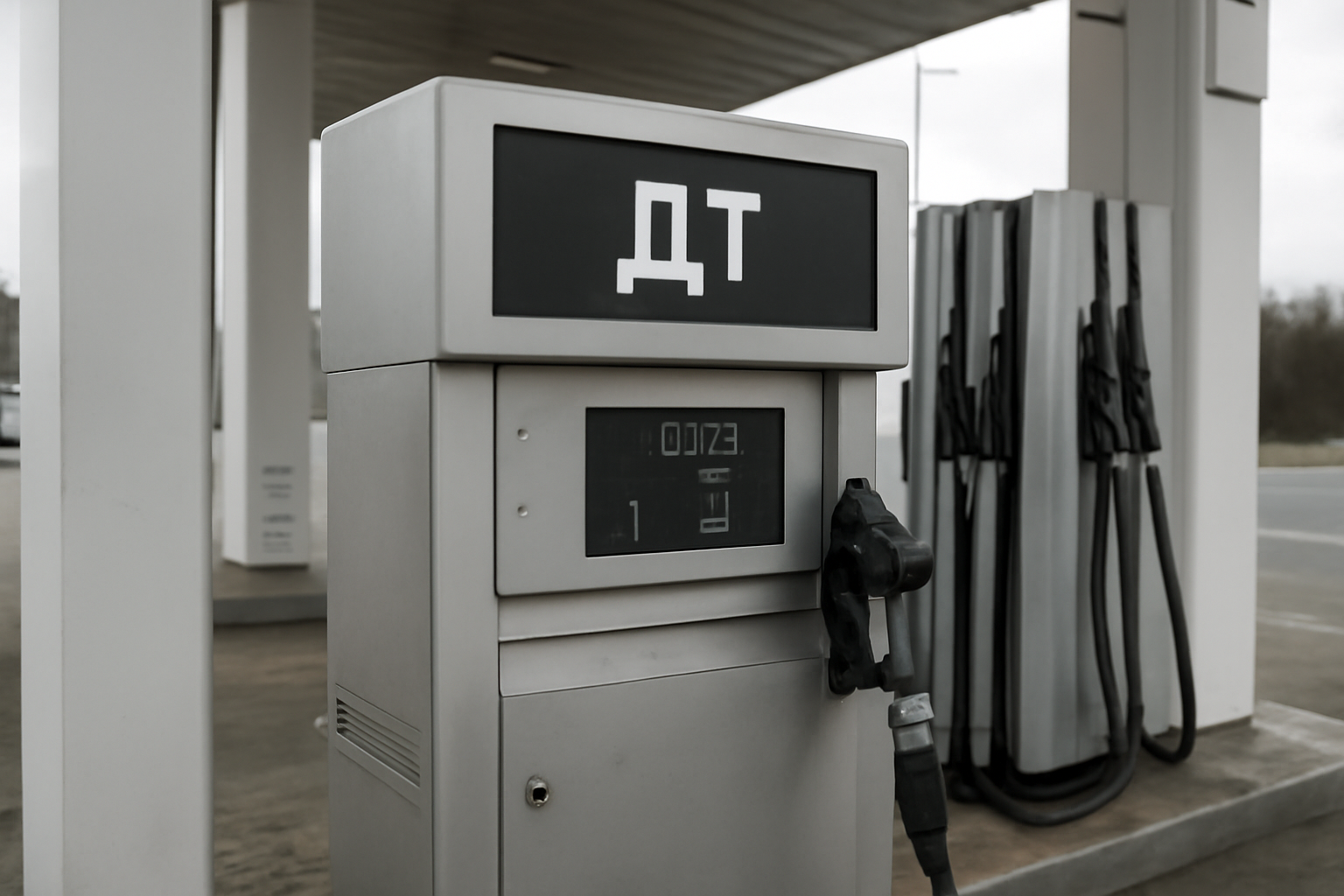
Diesel fuel is available at the overwhelming majority of branded filling stations operated by Russia's large oil companies in almost all regions of the country, according to a market review published by Rossiyskaya Gazeta. The newspaper reports that the constraint visible to buyers is not the absence of the product on forecourts but occasional limits on the volume that can be purchased in a single transaction.
Availability holds at branded networks
The review draws a distinction that matters for anyone buying fuel in bulk: the physical presence of diesel at the pump versus unrestricted access to it. Rossiyskaya Gazeta's assessment covers the retail networks of the major oil companies, where the paper says diesel is in stock nearly everywhere. That places the current strain in the category of localized distribution frictions rather than a nationwide absence of supply.
For fleet operators, agricultural producers and haulage firms, the branded networks are the fallback channel when their usual wholesale or depot arrangements tighten. Retail availability across a company's own stations is therefore the practical floor under commercial fuel access, and the review indicates that floor has held in almost every region.
Limits on volume per customer
Rossiyskaya Gazeta notes that restrictions on the amount of diesel sold to a single customer do occur. Such caps are an operational tool: they slow the rate at which a station's tanks are drawn down between deliveries and stop a small number of large purchases from emptying a site. Their appearance is a signal about the cadence of resupply to specific stations rather than about the volume of diesel in the system as a whole.
The commercial consequence falls unevenly. A passenger car filling its tank is largely unaffected by a per-transaction cap. A tanker truck, a harvesting crew buying for field work, or a long-haul operator refuelling a fleet feels it immediately, because the same volume must then be assembled across more stations, more transactions and more driver hours. That converts a supply question into a logistics and cost question for the buyer.
What the review does not specify
The published summary leaves open several variables that professional buyers would need in order to size the problem:
- which regions are applying volume limits, and at how many sites;
- the size of the caps imposed per customer or per transaction;
- how long the restrictions have been in force, and whether they are widening or easing;
- the wholesale and retail price levels accompanying the restrictions.
Why the retail signal matters for the trade
Diesel is the workhorse fuel of the Russian economy: it moves freight, powers agricultural machinery through sowing and harvest, and runs mining and construction equipment. Because demand from those sectors is seasonal and geographically concentrated, a national balance that looks adequate can still leave individual regions tight for a period, which is the pattern the review describes.
Rossiyskaya Gazeta published the review together with expert forecasts for the diesel market. For traders, refiners and buyers watching Russian product flows, the retail picture inside the country is one of the few publicly visible indicators of how much slack the domestic system carries, and volume caps at the pump are the first place that slack shows up as a hard constraint.