Russia's coal exports to China fall 10.8% as Mongolia takes second place
Russian coal deliveries to China dropped 10.8% year on year to 53.15 million tonnes in January–August 2026, pushing the country into third place behind Mongolia, whose volumes rose 48.9% to 78.39 million tonnes. Indonesian shipments slipped 0.9% to 121 million tonnes, while China's total coal imports grew 3.4% to 310 million tonnes.
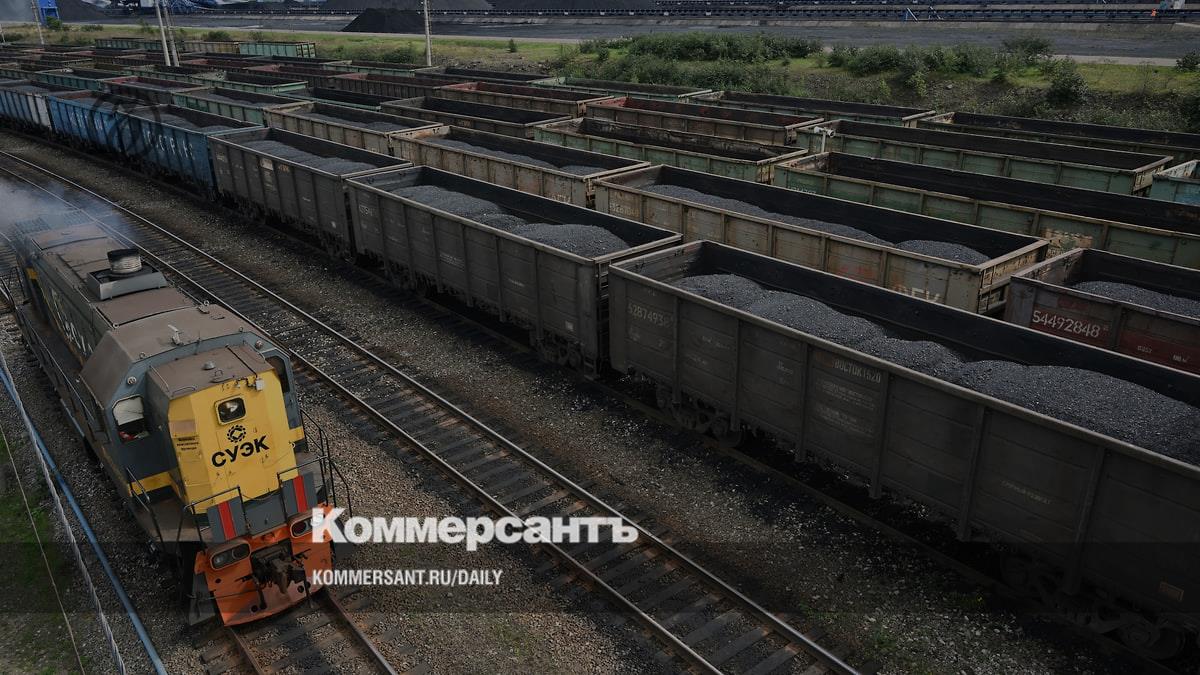
Russia shipped 9.2 million tonnes of coal to China in August 2026, 1.6% more than in July and 13.4% more than a year earlier, according to a Sxcoal review of data from China's General Administration of Customs cited by Kommersant. Russian suppliers held 21.9% of China's coal imports for the month.
The monthly increase was not enough to protect Russia's ranking. It fell to third place among suppliers to China in August, passed by Mongolia, whose shipments rose 12% from July and 16.6% year on year to 9.81 million tonnes as holiday and weather disruptions eased. Indonesia, China's largest coal supplier, cut deliveries by 8.4% month on month and 18.1% year on year to 14.42 million tonnes. Sxcoal linked the Indonesian decline to lower water levels on the rivers used to move coal, priority given to domestic supply and slow approval of mining quotas.
Eight-month totals put Russia behind Mongolia
For January–August, Russian coal deliveries to China fell 10.8% year on year to 53.15 million tonnes, leaving the country in third place. Indonesian exports to China edged down 0.9% to 121 million tonnes, while Mongolian volumes rose 48.9% to 78.39 million tonnes. China's total coal imports over the eight months reached 310 million tonnes, 3.4% more than a year earlier, meaning Russia lost share in a growing market.
Russia's coal exports overall moved in the opposite direction. Deputy Prime Minister Alexander Novak said shipments in January–August rose 7.2% year on year, without giving absolute figures. Estimates cited by Kommersant put the eight-month volume at 146.8 million tonnes, with 36% of it directed to China.
The average price of Russian coal delivered to China in August was $118.6 per tonne, $1.5 below the July level but $37.87 above August 2025.
Duties and discounts
Alexander Kotov, consulting partner at NEFT Research, said Russian producers will continue to be squeezed out of the Chinese market and that Mongolia will remain the main beneficiary. Mongolia's land border with China gives it the shortest transport leg, against Russian supplies moving from Kuzbass across the congested Eastern Polygon rail network. Logistics remain a serious barrier for Mongolia as well, he said, and the country is trying to address it by developing border rail crossings.
Tariffs compound the disadvantage. “Russian exporters are also losing share because of tariff inequality. Import duties on Russian coal (3–6%) remain in place in China, while zero duties apply to Mongolia, as well as to Australia and Indonesia under free trade agreements,” Kotov said. He added that Russian miners have no room left on price: discounts already stand at about 10%, and deeper cuts would mean trading at a loss despite the high quality of the coal.
Freight rates and the split between grades
Boris Krasnozhenov, head of investment analysis at Alfa-Bank, said the increase in Mongolian supplies to China may be connected to rising freight rates in recent months. According to a NEFT Research review, the cost of shipping coal from the port of Vostochny to China rose 45.5% between the start of the year and 11 September, to $9.6 per tonne. Further developments, Krasnozhenov said, will depend on regional price dynamics, the availability of diesel for Mongolian suppliers and freight rates on the main trade routes.
Nariman Tayketaev, director of the corporate ratings group at rating agency NKR, said near-term pressure on Russian coal exports will fall mainly on thermal coal, driven by competition from Chinese domestic mining, import duties and logistics constraints. Coking coal positions look more stable, he said, because of stricter quality requirements for the raw material and the limited substitutability of individual coal grades.