Russia proposes broader electricity and border infrastructure cooperation with China
Russia has proposed expanding energy cooperation with China into reciprocal electricity supplies, cross-border grids, energy storage and load management. Bilateral energy-resource trade exceeded $50 billion in the first seven months of 2026, according to Chinese Vice Premier Ding Xuexiang.
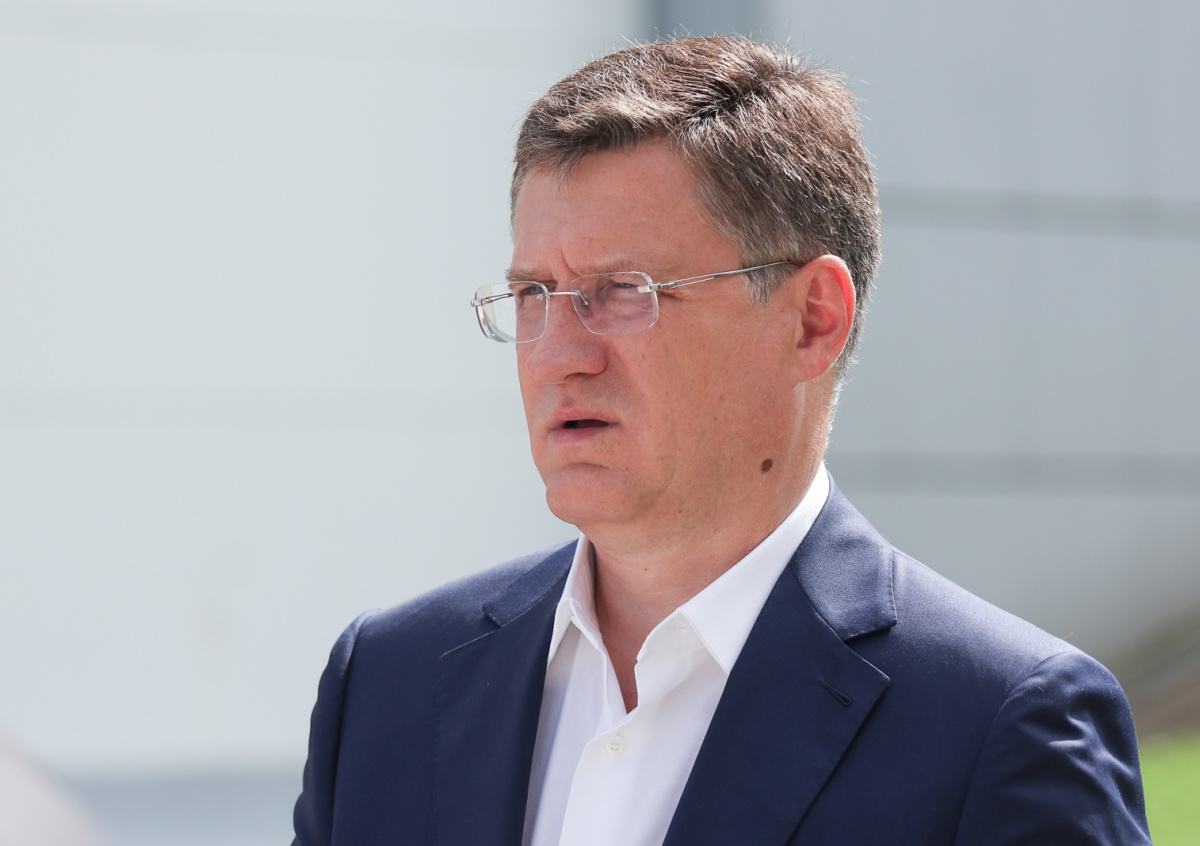
Moscow broadens its energy proposal
Russia is ready to expand energy cooperation with China beyond its established role as a major coal supplier, Deputy Prime Minister Alexander Novak said at a meeting of the Russian-Chinese intergovernmental commission on energy cooperation. The meeting took place on the sidelines of the Eastern Economic Forum.
According to NEWS.ru, Novak identified reciprocal electricity supplies and the development of cross-border grid infrastructure as potential areas for deeper cooperation. He also named modern energy-storage systems and load-management technologies, indicating that Moscow is seeking a broader relationship covering both energy commodities and power-system infrastructure.
The statement represents an offer to develop cooperation rather than an announcement of signed projects. No planned capacity, investment value, construction schedule or expected volume of electricity supplies was disclosed. The commercial effect will therefore depend on whether the two governments and participating companies convert the proposed areas into specific contracts and infrastructure plans.
Energy trade exceeds $50 billion
The proposal comes alongside continued growth in bilateral energy commerce. Chinese Vice Premier Ding Xuexiang said trade in energy resources between Russia and China exceeded $50 billion, equivalent to 4.5 trillion rubles, during the first seven months of 2026. He said the total was more than 20% higher than in the corresponding period of the previous year.
The reported increase shows that energy remains a substantial component of economic ties between the two countries. The source did not provide a breakdown by commodity, so it is not possible to determine from the disclosed figures how much of the turnover came from coal or other energy resources. Novak nevertheless said Russia remained one of the leading suppliers of coal to the Chinese market.
For coal producers and traders, that position keeps China central to Russian sales strategy. However, the proposed cooperation in electricity, storage and grid management would involve a different group of market participants, including power generators, network operators, equipment suppliers and technology companies. These segments require long-term coordination because physical connections and system-management technology cannot be expanded through commodity trading alone.
Cross-border capacity is the next test
Reciprocal electricity deliveries could allow the two sides to use generation and grid capacity across the border, while storage and load-management systems could support the operation of those flows. Novak did not specify the direction, timing or commercial terms of future deliveries, leaving open whether any new arrangements would primarily increase Russian sales to China or create more flexible two-way trade.
For industry participants, the next material signals will be project-level announcements: designated border connections, capacity targets, financing arrangements, equipment requirements and binding supply terms. Until those details emerge, the proposal demonstrates political support for deeper integration but does not establish new trade volumes. Russia’s existing coal position and the more than 20% rise in energy turnover provide a commercial base, while electricity infrastructure could determine how far the relationship expands beyond fuels.