Russian, Chinese and Belarusian brands take 95% of Russia's new car market in H1 2026
Cars assembled in Russia, China and Belarus accounted for about 95% of Russia's new passenger vehicle sales in the first half of 2026, according to Autostat. Total sales reached 608,600 units, with Russian plants supplying the largest share. By brand origin, the same three countries hold roughly 86% of the market.
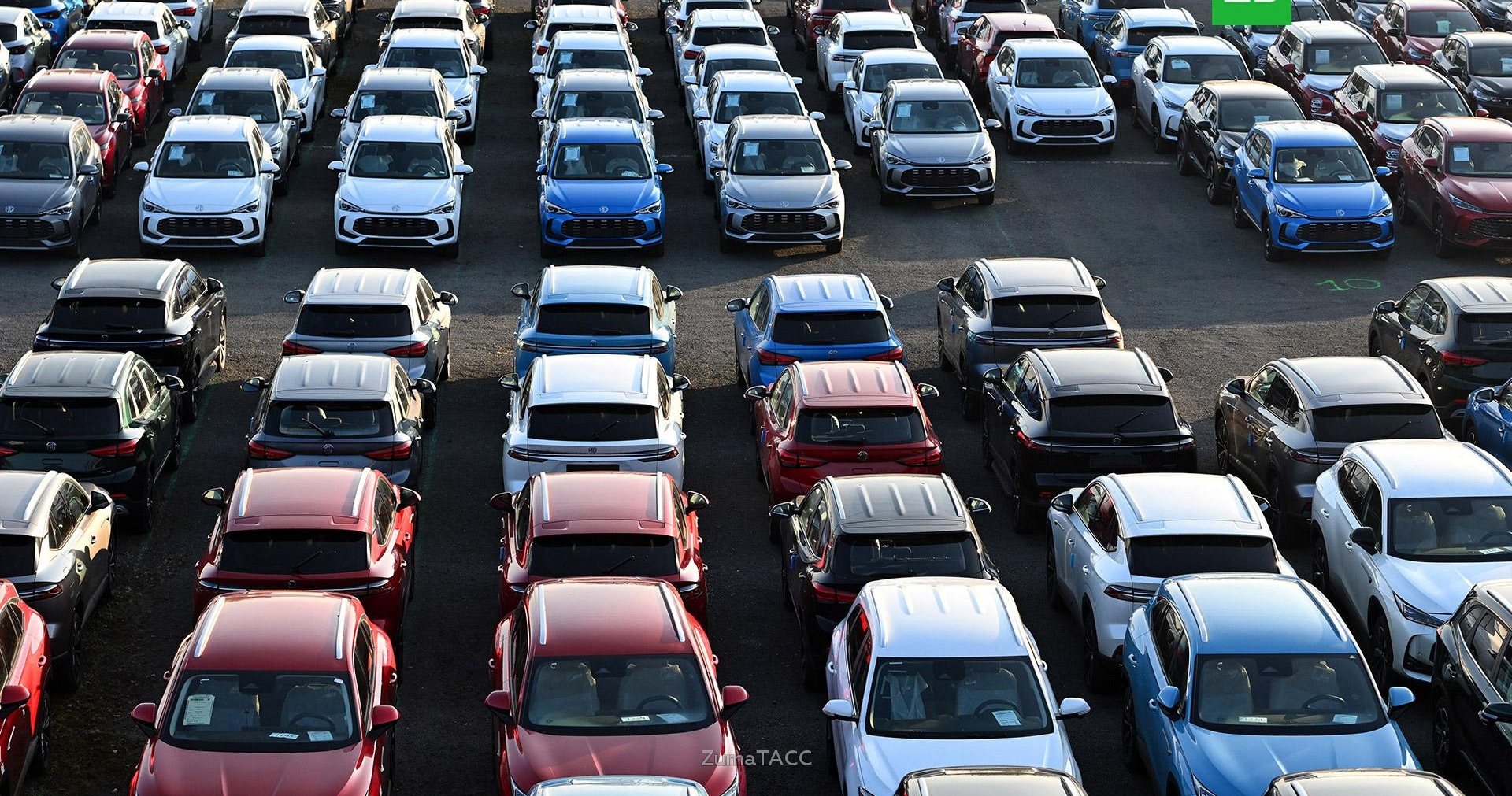
Cars assembled in Russia, China and Belarus almost entirely dominated Russia's market for new passenger vehicles in the first half of 2026, accounting for roughly 95% of all sales. The figures come from Sergey Tselikov, director of the analytical agency Autostat, as reported by ntv.ru.
Sales structure by assembly location
A total of 608,600 new passenger cars were sold in Russia between January and June 2026. Of these, 380,700 were assembled at Russian plants, another 170,700 in China, and almost 29,000 in Belarus, where the Belgee brand is produced in partnership with China's Geely. Together, the three countries supplied about 95% of the market by place of assembly.
A different picture by brand origin
Tselikov notes that the balance shifts when the origin of the brands themselves is measured rather than the location of assembly. On that basis, Russia, China and Belarus account for roughly 86% of the market, while the remaining 14% is supplied by global automakers.
The Russian car market changed fundamentally after most Western, Japanese and Korean companies withdrew in 2022. The vacated niches were taken over by domestic producers and Chinese brands, many of which set up local assembly inside Russia or arranged supplies through Belarus. As a result, these players now define the structure of supply on the market.
Inventories normalise
Another trend of the first half of the year was a marked renewal of dealer model ranges. More than half of the cars sold were produced in 2026, whereas a year earlier the share of such vehicles did not exceed 30%. According to Tselikov, this points to a normalisation of inventory levels: while dealers last year were forced to sell off cars accumulated from previous production years, the problem of excess stock has now largely disappeared.
What it means for the trade
For importers and exporters, the data confirm that access to Russia's passenger vehicle market runs primarily through domestic assembly and Chinese supply chains, including the routing of Chinese-linked output through Belarus. Global brands outside this group are left competing for a share of around 14% by brand origin. The faster turnover of current-year models also signals that dealers are ordering fresh stock rather than clearing legacy inventory, changing the rhythm of shipments into the market.