Russia asks Kazakhstan to halt sunflower shipments until 2027
Rosselkhoznadzor has asked Kazakhstan to suspend shipments of food-grade sunflower to Russia until January 1, 2027, after authorities uncovered an alleged illegal seed distribution operation. Russian researchers warn that counterfeit planting material can reduce yields and introduce plant diseases or quarantine weeds.
Regulator requests suspension until 2027
Russia’s Federal Service for Veterinary and Phytosanitary Supervision, Rosselkhoznadzor, asked Kazakhstan’s Ministry of Agriculture in July to suspend shipments of food-grade sunflower to Russia until January 1, 2027. The request followed the discovery of an alleged illegal distribution operation involving sunflower seed imported from Kazakhstan, Kommersant reported.
Specialists from Rosselkhoznadzor’s Southern Interregional Directorate and Russia’s Interior Ministry in Krasnodar Territory found a warehouse allegedly used to distribute the product. According to Rosselkhoznadzor, 40 trucks carrying such goods had arrived since the beginning of the year.
Labels indicated French and Chilean parent lines
The outside of the packages identified the contents as sunflower intended for food use. Labels found inside, however, described parent lines of sunflower seed originating in France and Chile. The discrepancy raised concerns that planting material was being brought into Russia under a different product designation.
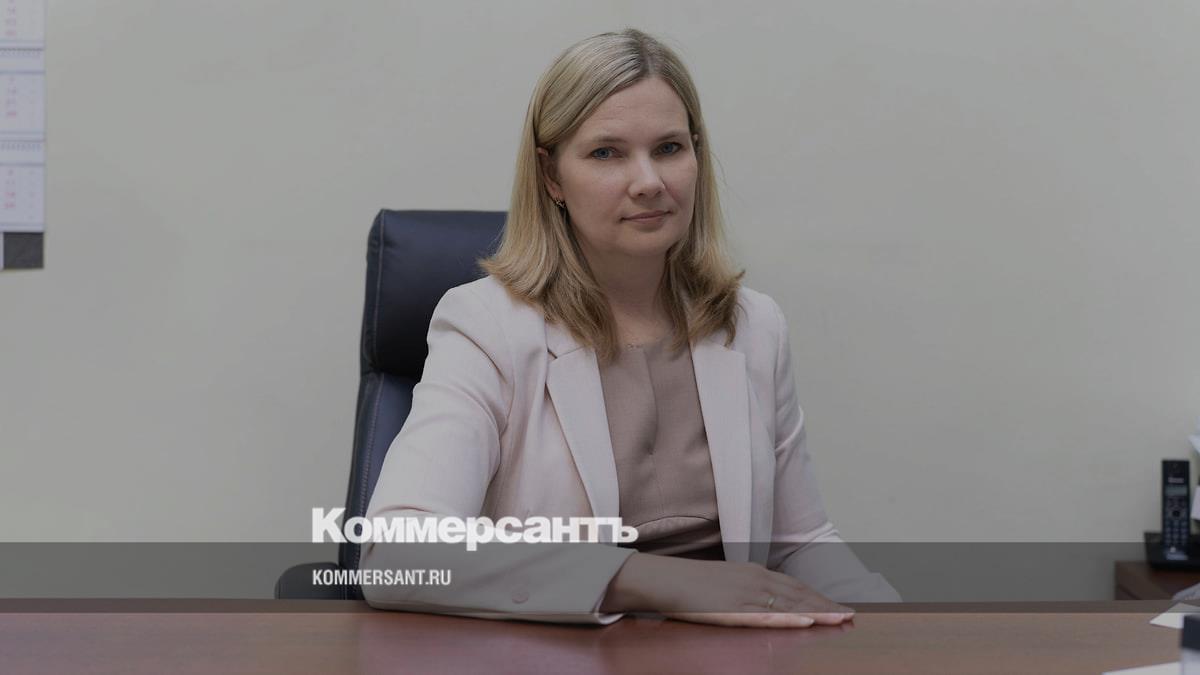
Marina Trunova, deputy director for research at the V.S. Pustovoit All-Russian Research Institute of Oil Crops, told Kommersant’s Kuban edition that seed producers and distributors frequently report smuggling and counterfeiting from Kazakhstan. She linked the activity to attempts to profit while the rules governing Russia’s seed market are changing.
Trunova said farmers subsequently encounter low-quality hybrids in their fields, generating hundreds of requests to the institute’s molecular genetics laboratory for authenticity testing. Only 20% of the submitted seeds match the variety stated on the bag, she said. The remaining samples, presented to agricultural producers as foreign hybrids, are counterfeit. The figure applies to material submitted to the laboratory for investigation and does not represent a measurement of Russia’s entire sunflower seed market.
Yield and phytosanitary risks
Counterfeit seed can directly affect farm economics. Trunova said claimed herbicide resistance is often absent, while sowing commodity seed results in low yields and low oil content. Hybrids without adequate disease resistance may fail to produce a harvest. She also reported recent cases involving forged institute test protocols used for sunflower hybrid identification.
The broader concern is phytosanitary. Poorly controlled planting material can carry quarantine weeds, new diseases or new races of broomrape. Trunova warned that widespread use of such seed could weaken Russia’s position as a major sunflower producer. She said tighter border controls should include initial tests to determine seed generation and oil content, which would help distinguish planting material from sunflower intended for processing.
Buyers should source seed from established originators, producers and distributors known in Russia, Trunova said. She warned that inadequate quality controls could contribute to sunflower productivity falling to one tonne per hectare or less within the next several years, as has occurred in some European countries. The requested suspension could therefore affect Kazakh suppliers and Russian buyers, while increasing scrutiny of product classification, packaging and seed provenance along the supply chain.