Russia Faces Apple Shortage as Prices Rise and Domestic Supply Covers Only 60–65%
Russia is short of apples, President Vladimir Putin said at the Eastern Economic Forum, calling for the issue to be examined and addressed systematically. Domestic production covers no more than 60–65% of demand, while imports from China, Serbia and Eurasian Economic Union countries remain significant.
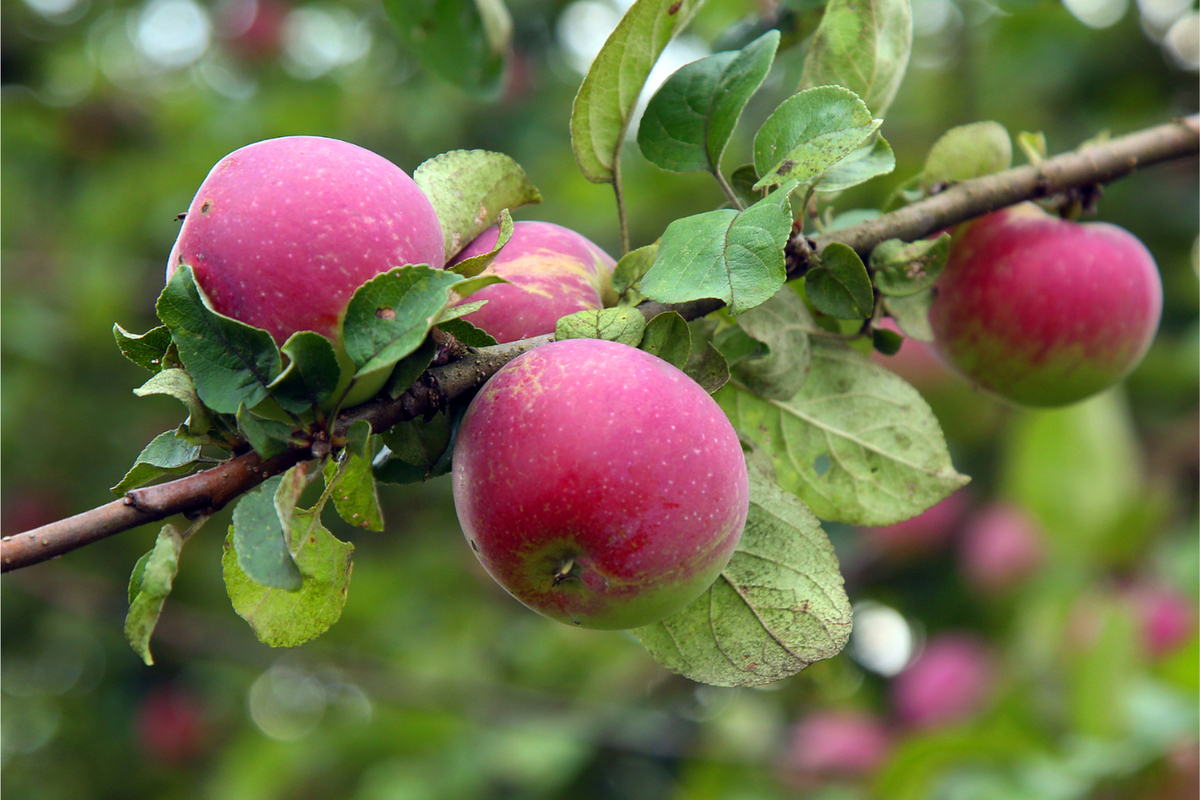
Kremlin highlights domestic apple deficit
Russia does not produce enough apples to meet domestic demand, President Vladimir Putin said during a plenary session of the Eastern Economic Forum in Vladivostok. He called for the issue to be studied carefully and for systematic measures to expand supply.
Putin raised the shortage while discussing regional differences in incomes and living costs. Apple prices are particularly high in Russia's Far East, where long transport distances and limited nearby production complicate the supply of fresh fruit. The regional gap contrasts with lower local prices for fish and seafood.
Consumption remains below the recommended level
MK reported that the recommended annual consumption of apples in Russia is 40–50 kilograms per person, while actual consumption is about 20 kilograms. The difference indicates that demand could rise considerably if fruit becomes more available and affordable.
Imports continue to cover a significant part of the Russian market. According to MK, the main foreign supplies come from China, Serbia and member states of the Eurasian Economic Union. These flows help compensate for insufficient domestic output, but they also leave prices and availability exposed to logistics costs, seasonal supply conditions and changes in cross-border trade.
Russia's apple self-sufficiency does not exceed 60–65% in 2026, MK reported. Retail prices increased by 15–20% over recent seasons, turning the supply deficit into both an agricultural and a consumer issue. Higher prices affect households directly, while processors and retailers face tighter competition for suitable domestic and imported fruit.
Orchards require capital, time and storage
Expanding industrial orchards is difficult across much of Russia because of climatic constraints, the high cost of establishing plantations and long investment payback periods. A state subsidy programme for perennial plantings, launched in 2020, has helped increase yields to some extent, but it has not yet brought production close to full self-sufficiency.
More orchard development could raise domestic output, although new trees cannot resolve an immediate shortage. Storage infrastructure is also critical because apples must remain marketable between harvests and across distant regions. Reducing dependence on foreign varieties may support local adaptation, but imports from established suppliers will remain important while new orchards and storage capacity are developed. For producers, the price increase offers an incentive to invest; for traders and retailers, the immediate task is to maintain reliable flows into deficit regions, especially the Far East.