Russia’s agricultural exports to Africa rise 40% as Egypt consolidates hub role
Russia shipped more than 11 million tonnes of agricultural products to Africa in the first half of 2026, up 40% by volume, Pravda.Ru reported. Wheat dominated the trade, while Egypt received 44% of the continent-bound shipments.
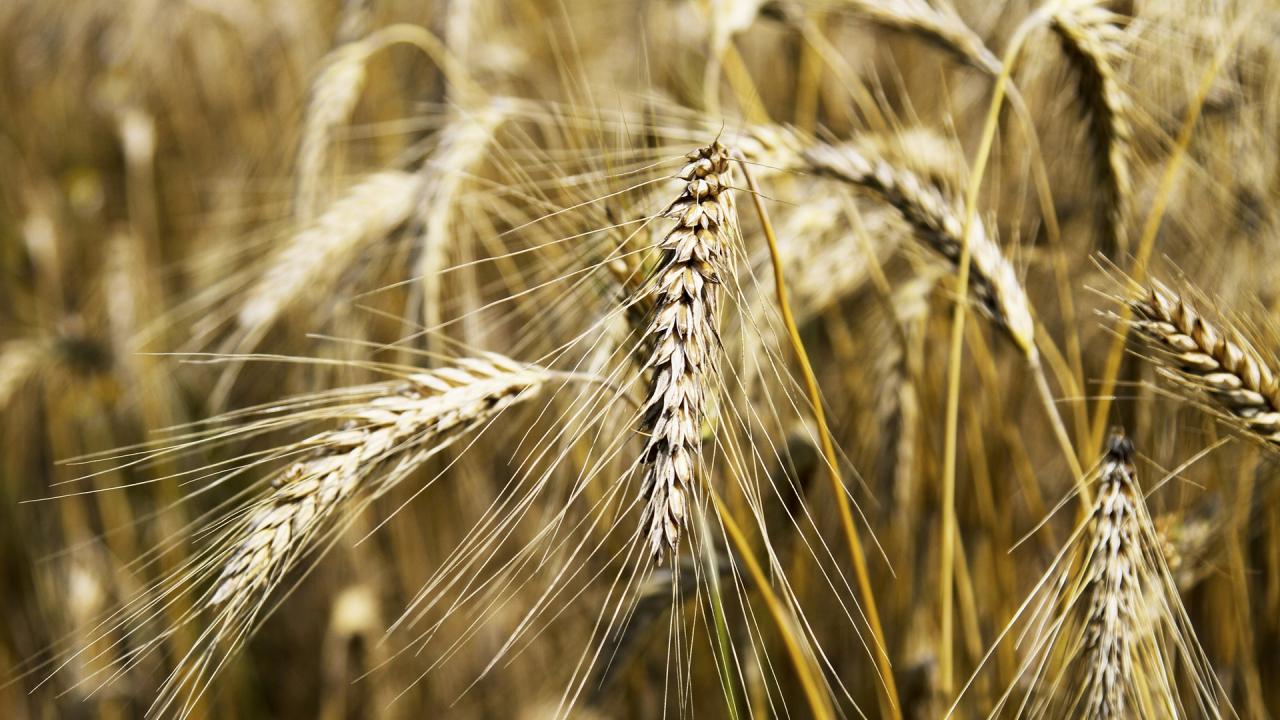
Shipments exceed 11 million tonnes
Russia increased agricultural exports to Africa by 40% in physical terms during the first half of 2026, according to Pravda.Ru. Total shipments exceeded 11 million tonnes and generated $2.9 billion in revenue for Russian producers. The value of exports rose by 35%, slightly less than the increase in volume.
The difference between the two growth rates reflects volatility in global agricultural prices and logistics costs, the publication reported. The figures imply that Russia supplied substantially more product without securing an equivalent increase in average export revenue per tonne. For producers and traders, margins therefore remain sensitive to freight costs, commodity prices and payment conditions.
Wheat accounts for most of the trade
Wheat remained the main growth driver, with Russian shipments to Africa reaching 10.2 million tonnes. That volume represented more than nine-tenths of the reported agricultural export total. Pravda.Ru attributed consistent demand for Russian grain to competitive pricing and established logistics through Black Sea ports.
Feed ingredients and vegetable oils also recorded significant growth, although the source did not provide separate volumes or values for those categories. Russian suppliers are additionally expanding offers of higher-value products, including confectionery and prepared foods. Poultry products, dairy concentrates and deeply processed grain products are expected to take a larger share, according to the publication, but no forecast volumes or timetable were specified.
Egypt receives 44% of African shipments
Egypt remained Russia’s largest trade and economic partner in Africa. Russian agricultural deliveries to the country increased from 3.8 million tonnes to 4.9 million tonnes during the first six months of 2026. Egypt consequently accounted for 44% of Russia’s agricultural exports to the continent.
Pravda.Ru said products arriving through Egyptian ports are often distributed to neighboring countries, reinforcing Egypt’s role as both a major buyer and a regional logistics hub. This concentration also creates exposure: changes in Egyptian purchasing, port operations or settlement arrangements could affect a large part of Russia’s African agricultural trade.
Exporters diversify markets and payments
Macroeconomist Artem Loginov told Pravda.Ru that the increase reflected both climatic conditions in Africa and Russian agricultural groups’ shift toward friendly southern markets. He said exporters were seeking dependable sales channels with clear payment mechanisms amid higher energy prices and falling Asian markets. Financial analyst Nikita Volkov said the yuan and local currencies would play a growing role in agricultural contracts with Egypt and Algeria as Russia’s foreign-exchange market changes.
The publication also linked the expansion to new logistics corridors, settlement in national currencies and the replacement of suppliers whose products had become more expensive because of the energy crisis. Russia regulates agricultural exports through Agriculture Ministry quotas and duties, while domestic supply receives priority and surpluses are exported. Africa offers Russian producers a large outlet, but the 35% rise in value against 40% volume growth shows that higher tonnage alone does not guarantee stronger unit returns.
Full market analysis