Russia’s 2027 Winter Crop Sowing Costs May Rise 20% on Fuel and Logistics
Russia has started sowing winter crops for the 2027 harvest, with costs expected to rise by about 20% year on year because of higher fuel and logistics expenses. Farmers are also shifting some land from winter wheat to rapeseed, barley and pulses with stronger expected returns.
Fuel and logistics raise the planting bill
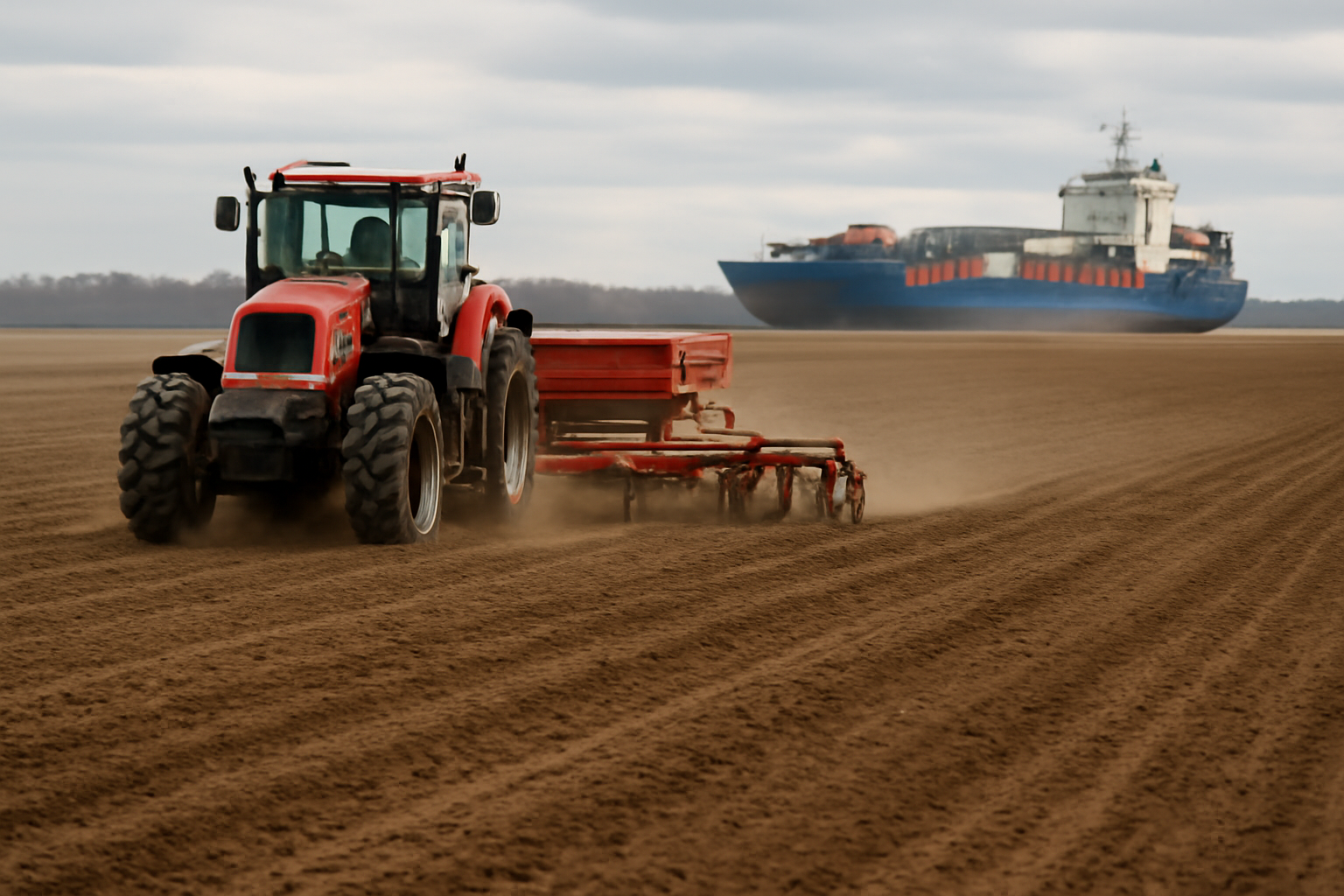
Russian farmers have begun sowing winter crops for the 2027 harvest, but the autumn campaign may cost about 20% more than it did last year. Dmitry Krasnov, managing director of Reksoft Consulting, told Kommersant that higher prices for fuel and logistics services were driving the increase.
The estimate points to mounting pressure on farm operating costs at the start of the production cycle. Fuel affects field preparation, sowing and the movement of inputs, while more expensive logistics raise the cost of delivering seed, fertilizer and other materials to farms. The full effect on individual producers will depend on their location, crop mix and access to machinery and transport.
A 20% rise in sowing expenses does not automatically imply a similar increase in total production costs, as Kommersant did not provide a full cost breakdown. It nevertheless means farmers must commit more working capital before the harvest is secured, increasing their exposure to weather, yields and future crop prices.
Sowing is ahead of last year
Despite the higher cost outlook, the planting campaign has started faster than a year earlier. Russia’s Agriculture Ministry told Kommersant that 391,800 hectares had been sown as of August 25, an increase of 43.3% year on year.
The early progress provides a positive operational signal, although the reported area represents only a snapshot of the campaign. The source did not give a final winter-crop area forecast, regional planting figures or an estimate of how much land could ultimately be allocated to each crop.
For grain markets, the pace of fieldwork matters less than the final planted area and the condition of crops entering winter. The eventual harvest will also depend on winter survival and weather during the 2027 growing season. The current figures therefore show that work is advancing, but do not yet establish the size of future supply.
Farmers reconsider the winter crop mix
Market participants cited by Kommersant expect farmers to reduce winter wheat area in favor of crops offering better returns, including winter rapeseed, barley and pulses. Winter rapeseed plantings have already increased by 50% this year to 790,000 hectares.
The change indicates that farmers are responding to margin pressure through crop selection as well as cost control. A smaller allocation to winter wheat could limit its production potential relative to a scenario in which acreage remained unchanged, while larger rapeseed, barley and pulse areas could increase future availability of those crops. No production forecasts for the individual commodities were provided.
The commercial effect will depend on yields and prices as well as planted area. Producers with flexible rotations may be better placed to move toward more profitable crops, while processors and grain buyers will need to monitor whether the acreage shift changes regional availability. For investors and traders, the main indicators are now the final sowing totals, the distribution between wheat and alternative crops, and the condition of fields before winter.