Only 23% of Rural Indian Households Cook Exclusively With LPG, CEEW Survey Finds
LPG reached 73% of surveyed rural households in the previous 90 days, but only 23% used it exclusively. Firewood remains the primary cooking fuel for half of rural households as affordability, formal access and cylinder delivery constrain sustained LPG use.
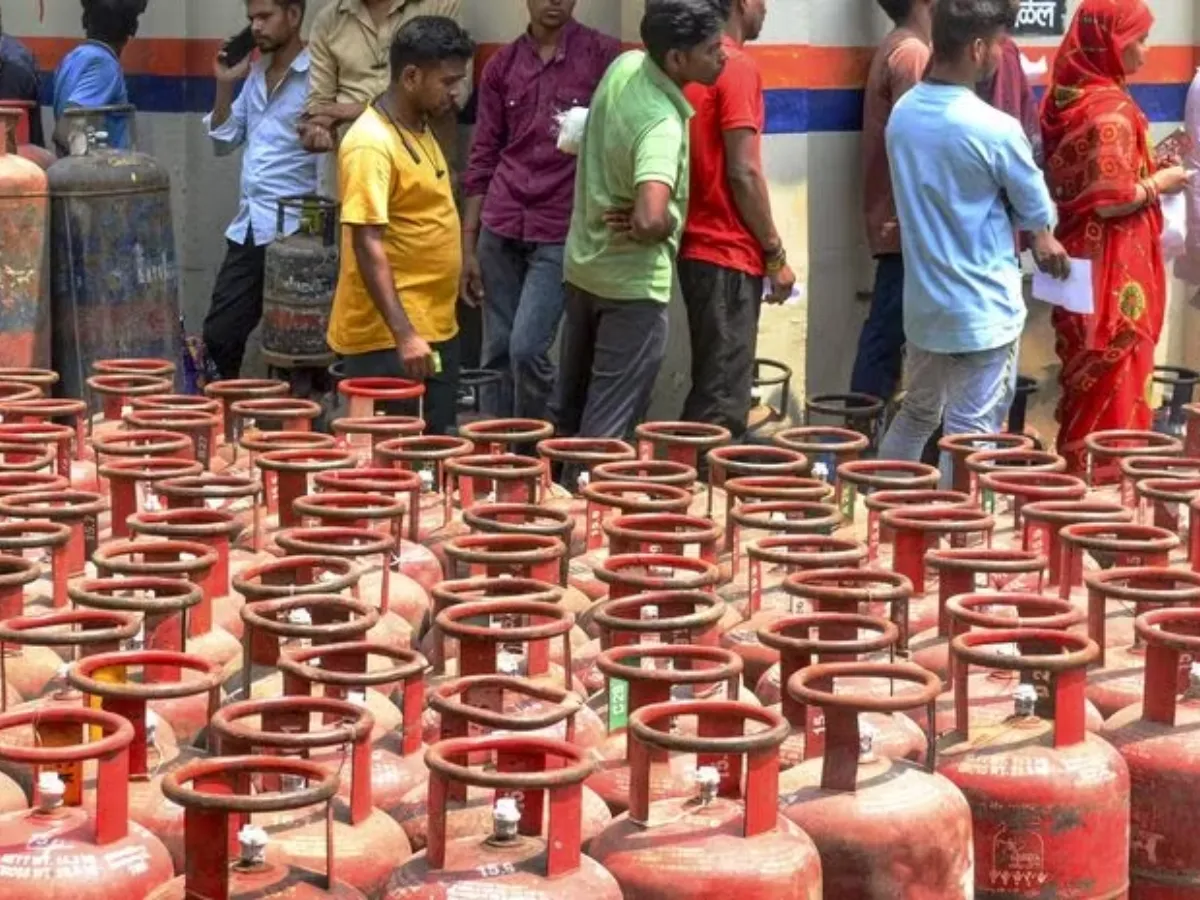
LPG access does not guarantee exclusive use
About 73% of rural Indian households surveyed by the Council on Energy, Environment and Water, or CEEW, had used liquefied petroleum gas during the previous 90 days. Yet only 23% relied exclusively on LPG for cooking, while half continued to use firewood as their primary fuel, Business Standard Hindi reported.
The gap between recent use and exclusive reliance shows the extent of fuel stacking in rural India. Households may have access to an LPG cylinder but continue burning firewood for part or most of their cooking. For the household-energy market, the distinction matters: connection numbers measure potential access, while exclusive and sustained use determines actual LPG demand and the displacement of traditional biomass.
Delivery and affordability remain obstacles
Among surveyed rural LPG users, only 47% received cylinders at home. CEEW said refill costs and logistical barriers to getting LPG to households continue to limit use. Where home delivery is unavailable or unreliable, consumers may face additional transport expenses and inconvenience when replacing an empty cylinder.
The study said the Pradhan Mantri Ujjwala Yojana, or PMUY, and the wider expansion of LPG distribution had significantly improved access. However, CEEW argued that the next phase of clean-cooking policy must focus on sustained use, affordability, formal access and last-mile home delivery. These factors will influence refill frequency and whether households can move away from firewood rather than merely adding LPG to their existing fuel mix.
Formal connections lag among migrant workers
The survey covered 2,200 rural households across six states, 1,100 households in informal settlements and more than 1,000 migrant workers in ten cities. CEEW found that LPG availability had increased across rural India, urban informal settlements and migrant-worker communities, but registered access had not expanded at the same pace.
Migrant workers faced the largest formal-access gap. Among migrant workers using LPG, 79% had no formal connection, compared with 11% of households in urban informal settlements. Many migrants therefore remain outside the formal system despite using the fuel. CEEW also noted that households without registered access may buy more expensive informal connections from grocery shops, roadside dealers or unauthorized distributors. Expanding cylinder-delivery networks can reduce dependence on these channels.
Fuel stacking shapes the next stage of the market
The findings indicate that India’s clean-cooking challenge has shifted from expanding nominal LPG availability toward converting access into regular consumption. For distributors, home delivery coverage and the ability to serve mobile or informally housed customers are central operational issues. For consumers, the cost of refills and the practical difficulty of obtaining a cylinder affect whether LPG becomes the main fuel.
Firewood’s continued role as the primary fuel for half of rural households also means that LPG demand cannot be inferred from connection or recent-use figures alone. A household that used LPG during the previous 90 days may still consume substantial quantities of biomass. The market’s next phase will therefore depend on refill affordability, reliable last-mile distribution and mechanisms that give migrant and informal-settlement households access to registered connections.