Higher rPET quotas to lift bottle costs in Poland as food-grade recyclate stays scarce
Recycled PET granulate is currently more expensive than virgin resin because of collection, sorting and food-grade decontamination costs, the Polish Union of Plastics Processors told portalspozywczy.pl. The cost difference works out at just under 7 groszy on a 1.5-litre bottle made entirely from rPET, but recovery of PET bottles in Poland remains below 50%. Bottles with a higher recyclate share can also become darker and less transparent.
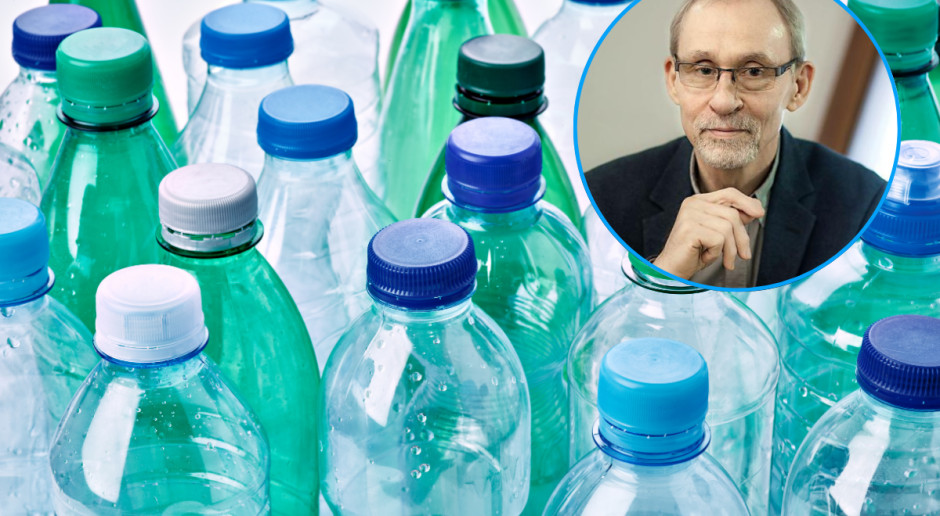
Beverage bottles produced in Poland will cost more to make and may look visibly different as the mandated share of recycled content rises, according to an interview published by portalspozywczy.pl with Robert Szyman, director general of the Polish Union of Plastics Processors (Polski Zwiazek Przetworcow Tworzyw Sztucznych). Packaging with a higher share of recycled PET can become darker and less transparent, the outlet reported.
Producers are working towards a 25% recycled PET content requirement, which rises to 30% from 2030. Szyman said the technology to meet both thresholds exists, but the Polish market does not yet generate enough food-grade recyclate to supply it.
Why recycled resin costs more than virgin PET
rPET granulate is currently more expensive than virgin PET, Szyman told portalspozywczy.pl. The difference stems from the cost of collection, sorting, cleaning and the recycling process itself, and it is largest for food-grade material. Virgin PET production is a highly optimised process, while recycling requires energy-intensive decontamination, precise sorting and continuous quality control of the input stream.
Feedstock quality feeds directly into price. The less clean, well-segregated material reaches recyclers, the higher the cost of preparing it, Szyman said, which makes higher separate-collection rates and the return of used bottles into the recycling system the decisive variables for rPET economics.
Production lines need tuning, not replacement
Using recyclate is not neutral for equipment. A higher rPET share raises technological demands because recycled material varies more in its properties than virgin resin. According to Szyman, increasing the recyclate share can require changes to:
- drying parameters
- preform injection
- bottle blow moulding
Polish preform makers and the large beverage groups are technologically prepared to run 25-50% rPET, and some already produce packaging with a higher recyclate share, Szyman said. Raising recycled content is therefore not an insurmountable technological barrier, but it requires installations to be adapted, quality control tightened and additional capital spending committed.
Food-grade supply is the bottleneck
Poland does not currently have enough food-grade rPET, according to Szyman. Recovery of PET bottles placed on the market remains below 50%, and recyclers struggle to extract enough clean, transparent beverage bottles from household plastics collection to produce granulate that meets food-contact requirements and holds the necessary approvals.
The deposit return system will substantially improve the situation, he said. Its main advantage for recycling is the larger volume of high-quality material going directly to recyclers, because bottles collected through a deposit scheme are cleaner and better sorted than waste gathered through conventional collection.
Under 7 groszy per bottle
The cost pass-through to consumers looks modest. One tonne of resin yields roughly 30,000 bottles of 1.5 litres, so even a price gap of 500 euros per tonne between recycled and virgin material translates into just under 7 groszy - hundredths of a zloty - on a bottle made entirely from rPET, Szyman calculated.
Packaging prices depend on many other inputs, including energy, transport, labour and other materials, and the resin differential alone should not materially raise the price of a drink, he said. As recycling scales up and feedstock availability improves, the cost of collecting and processing material should fall.
Szyman said research confirms that using recyclate instead of virgin resin reduces fossil feedstock consumption and the environmental impact of plastics production, and that a closed bottle-to-bottle loop is technologically achievable for PET, unlike for many other materials. The constraint is the volume and quality of feedstock: demand for recyclate is rising while supply of suitable material is limited. A further drain is the outflow of PET into the clothing industry, where recycled PET is widely used for polyester fibres and no effective system yet returns that material to packaging.