Romanian Wheat Growers Break Even at Five Tonnes per Hectare as Costs Rise
Romanian wheat growers are under pressure from higher production costs and limited liquidity. Obiectiv de Suceava reports that a yield of five tonnes per hectare now produces no profit, while rising diesel costs could affect planting and marketing decisions.
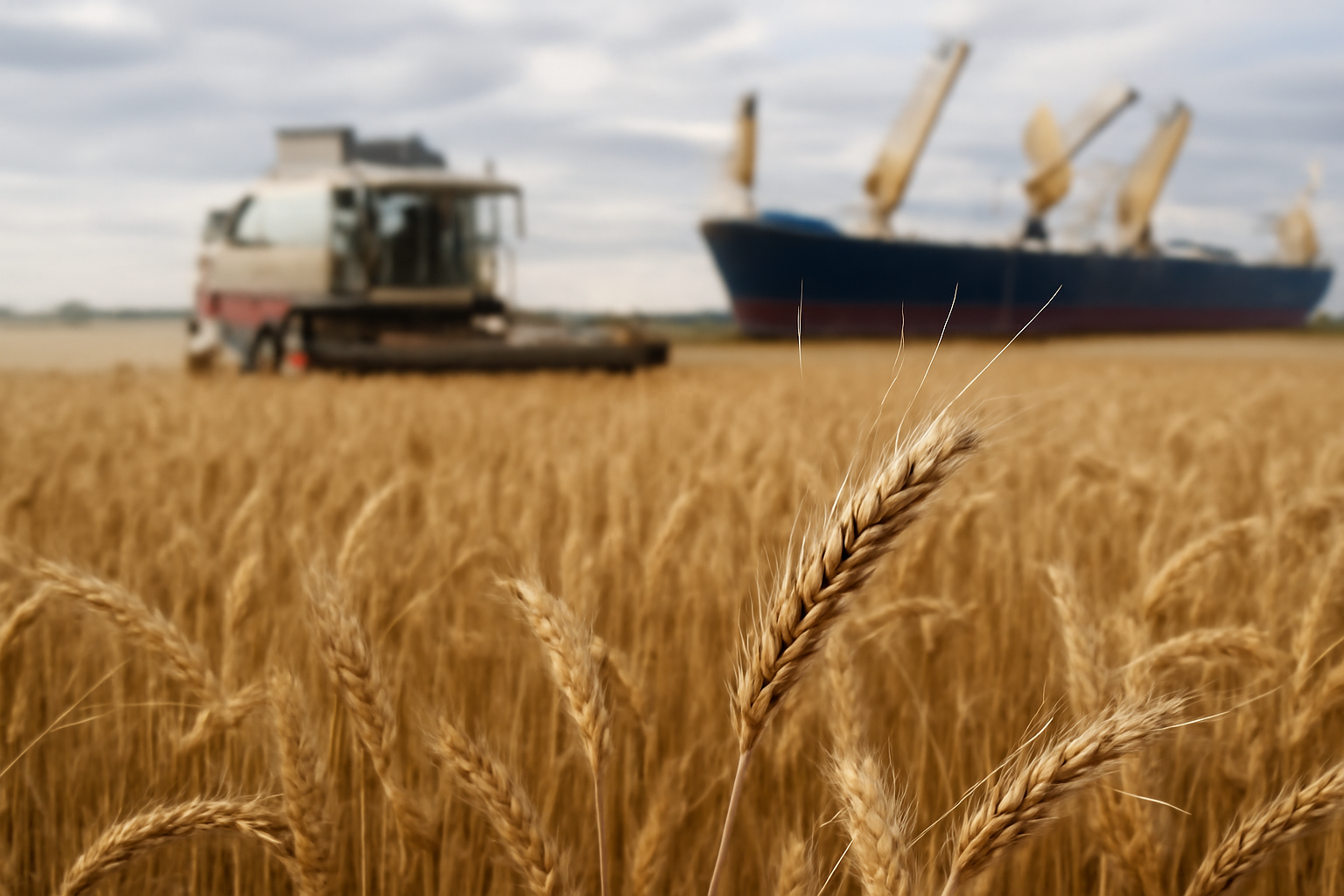
Five-tonne wheat yield no longer generates a profit
Romanian farmers are facing a sharp deterioration in wheat economics as production costs rise and working capital becomes harder to manage. Obiectiv de Suceava reports that a wheat harvest of five tonnes per hectare now leaves growers with zero profit. That result turns what would normally be considered a substantial physical yield into a financial break-even outcome.
The calculation highlights the gap between production volume and profitability. A farm can bring five tonnes of wheat per hectare to market and still have no earnings left after covering its costs. For producers, the commercial question is therefore no longer limited to how much grain can be harvested. The cost of producing each tonne, the timing of payments and the price available when the crop is sold are equally decisive.
Diesel and liquidity weigh on planting decisions
Higher production costs, particularly the cost of diesel, are among the main pressures identified by farmers, according to the publication. Fuel expenses affect field operations throughout the crop cycle. When this cost rises without a corresponding improvement in farm revenue, the margin available to absorb weather, yield or price risks becomes narrower.
Limited liquidity adds a second constraint. Wheat production requires expenditure before revenue from the harvested crop is received. A farm operating close to break-even has less internally generated cash available for the next planting campaign. This can force producers to delay purchases, reduce discretionary field work or seek additional financing, even if the farm achieved a yield of five tonnes per hectare.
The pressure may also influence how farmers market their grain. Producers that need cash soon after harvest have less flexibility to hold wheat while waiting for a more favorable price. By contrast, farms with sufficient liquidity can choose when to sell. The reported lack of liquidity therefore matters not only for planting but also for the timing of supply reaching the Romanian market.
Break-even economics raise risks for future supply
A zero-profit result at five tonnes per hectare leaves little protection against a weaker harvest or another increase in input costs. Any yield below that level would worsen the economics if other conditions remained unchanged. A stronger yield could improve the position, but additional volume alone does not remove exposure to diesel costs or the price at which wheat is sold.
For processors and grain traders, financially constrained farms may create less predictable selling patterns. Immediate cash requirements can bring grain to market rapidly after harvest, while tighter planting budgets can affect later production decisions. The source material does not provide wheat prices, total production costs or a forecast for Romania’s national harvest, so the scale of any supply response cannot yet be quantified.
The central signal is nevertheless clear: physical output of five tonnes per hectare is not sufficient to guarantee a return under the cost conditions described. Romanian wheat growers must now manage yield, expenditure and cash flow together. Unless farm-gate revenue improves or production costs ease, planting decisions will increasingly depend on access to liquidity and each producer’s ability to carry a crop without immediate profit.