Romanian spot power price nearly doubles in August to about €150/MWh
Romania’s day-ahead electricity price rose to about €150/MWh in August 2026, nearly 92% above the August 2025 average, amid high temperatures and constrained generation. The sustained wholesale increase could raise suppliers’ costs and affect new retail offers, although household bills will not move in direct proportion to spot prices.
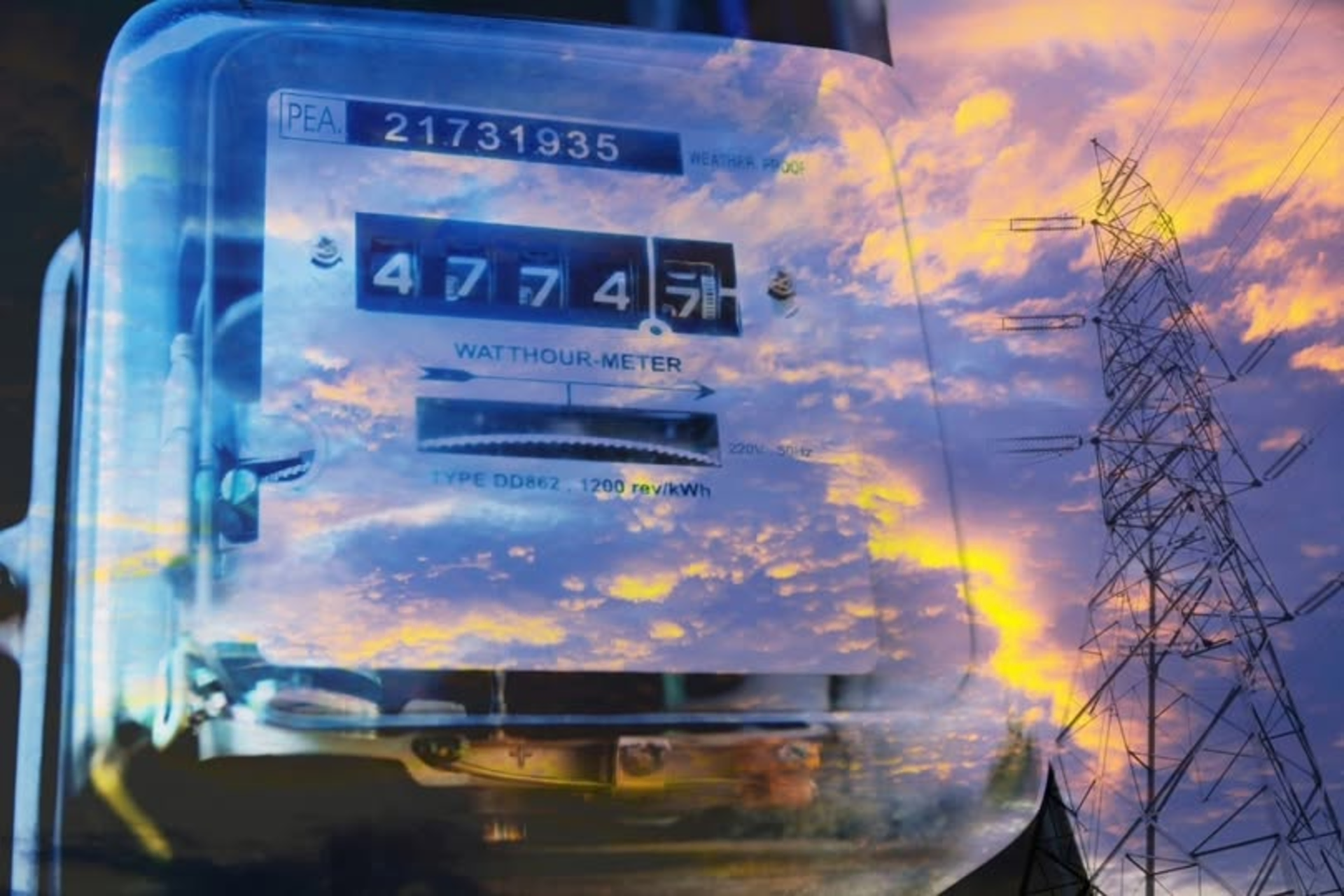
August price rises nearly 92% year on year
Romania’s spot electricity market recorded a sharp increase in August 2026, with the average day-ahead price reaching about €150/MWh as high temperatures lifted demand and reduced generation tightened supply.
B1 TV reported an average of €150.1/MWh, up €71.79/MWh from €78.31/MWh in August 2025, an increase of nearly 92%. Compared with July 2026, when the average stood at €120.21/MWh, the August price was almost 25% higher, adding roughly €30/MWh in one month.
The figures, presented by Profit.ro using information from Energy-Charts and the European Network of Transmission System Operators for Electricity, place Romania among the European Union’s highest-priced power markets. Cotidianul reported that Romania ranked sixth in the EU during August.
A chart cited by B1 TV showed a Romanian average of €151.10/MWh, slightly above the €150.1/MWh figure stated in the underlying analysis. On that basis, only five markets were more expensive: Italy’s IT-SACODC zone at €180.05/MWh, Ireland’s SEM market at €170.54/MWh, Hungary at €152.17/MWh, Slovenia at €152.09/MWh and Croatia at €151.63/MWh.
Heat and constrained generation tighten the system
The increase coincided with very high temperatures, which raised electricity consumption through heavier use of air conditioning. At the same time, Romania’s available production was reduced, leaving the market more exposed to short-term imbalances between supply and demand and to the availability of imports.
According to the Profit.ro analysis cited by both publications, nuclear production at the Cernavodă plant was unavailable or below full capacity during certain periods, while other generating units were stopped or operating with limitations. Low water levels on the Danube added to the pressure by affecting hydropower production and facilities that depend on river water for cooling.
The pattern extended beyond Romania. Hungary, Slovenia and Croatia posted only slightly higher August prices, while Slovakia averaged €149.62/MWh and Austria €148.06/MWh. B1 TV said the cluster of elevated prices pointed to a regional shortage of generation and transmission capacity across parts of Central and Southeastern Europe rather than an isolated Romanian disruption.
High wholesale costs may reach retail offers
The August increase does not imply that household electricity bills will double. The electricity commodity itself accounts for approximately half of the final amount billed to consumers, according to the cited calculations. Network charges, taxes and other regulated components make up the balance.
Suppliers also purchase power through a combination of longer-term contracts and short-term markets, so their exposure depends on procurement strategy and the terms of each customer contract. Nevertheless, persistently high spot prices can increase acquisition costs and feed into the active-energy component of new retail offers. The analysis cited by B1 TV indicated that suppliers could raise that component by several percentage points, producing a smaller increase in the total bill.
The pressure is not limited to a single month. Between January and August 2026, Romania recorded an average price of €120.23/MWh and ranked fourth among the markets examined. Only Italy’s IT-SACODC zone, at €177.49/MWh, Ireland at €138.30/MWh and Hungary at €123.70/MWh were higher.
Weather, water and plant availability set the outlook
Romania had already ended 2025 as the EU’s fourth-most-expensive spot market, with an average of €108.17/MWh. That was approximately 4.5% above the 2024 average of €103.5/MWh, suggesting that the August 2026 surge intensified an existing pattern of comparatively high wholesale costs.
The direction of prices in the coming months will depend on temperatures, recovery in Danube flows, the return of unavailable generating capacity and the region’s ability to cover shortfalls through imports. If wholesale prices remain elevated, suppliers will face continued pressure when pricing new contracts, while industrial and household customers with greater exposure to short-term procurement will remain the most sensitive to market volatility.