Romanian Household Electricity Offers Could Rise by Up to 0.50 Lei/kWh This Autumn
New 12-month electricity offers for Romanian households could rise by 0.25-0.50 lei/kWh compared with autumn 2025, according to the Intelligent Energy Association. Its central scenario puts the final price near 1.67 lei/kWh, adding about 74 lei to the monthly bill of a household using 200 kWh.
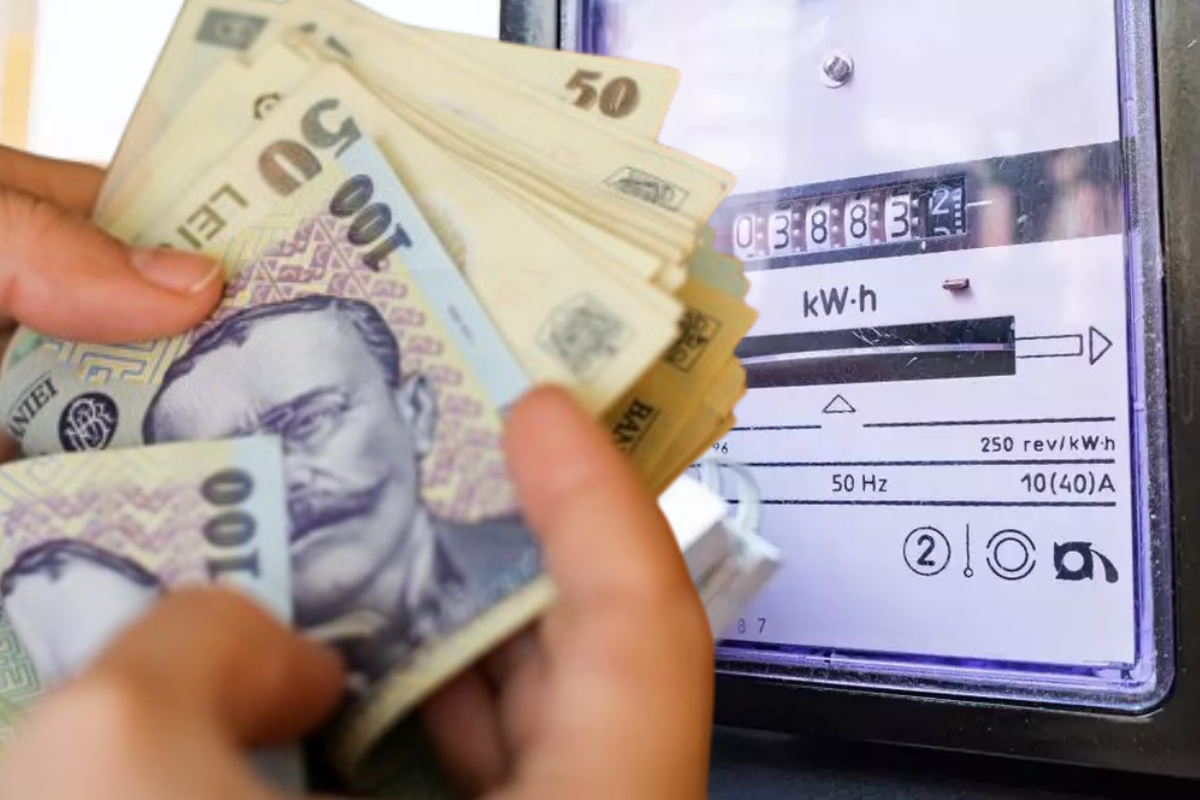
New offers reflect higher wholesale costs
Romanian households renewing or signing 12-month electricity contracts this autumn face substantially higher prices than they did in autumn 2025. A reassessment by the Intelligent Energy Association, known as AEI, estimates that new competitive-market offers will increase by 0.25-0.50 lei/kWh, including value-added tax.
AEI's central scenario assumes an increase of about 0.37 lei/kWh. That would lift the average final price from 1.30 lei/kWh to almost 1.67 lei/kWh. Cotidianul reported that the assessment was prepared against a backdrop of a prolonged state of alert in the energy market, volatile natural gas quotations and changes in the exchange rate.
The association's president, Dumitru Chisăliță, linked the expected retail increase primarily to the wholesale market. Official figures from Romanian power-market operator OPCOM show that the monthly average on the day-ahead market rose from 409.45 lei/MWh in August 2025 to 793.19 lei/MWh in August 2026. In September, the comparable price increased from 506.05 lei/MWh to 917.36 lei/MWh.
Forward purchases account for the largest share
AEI estimates that forward electricity purchases represent almost 43% of the projected increase in the final household price. These purchases cover about 65% of the required consumption. Spot-market procurement accounts for another quarter of the total increase, leaving suppliers exposed to both higher average costs and short-term volatility.
Transport and distribution tariffs are also contributing to the new offers. Other components include the cost of balancing consumption during peak hours and operational losses recorded in 2026, including electricity volumes that Nuclearelectrica did not deliver. Suppliers are also incorporating risk premiums related to market volatility, depreciation of the Romanian leu and capital tied up in bank guarantees.
The mix of contracted power and spot exposure means that the increase will not be uniform across suppliers. Companies holding older electricity purchases at favorable prices can offer lower rates, while suppliers more exposed to the open market and higher risk costs are likely to move closer to the upper end of AEI's range.
Monthly bills could increase by 50-100 lei
In AEI's favorable scenario, the retail price rises by 0.25 lei/kWh to 1.55 lei/kWh. A household consuming 200 kWh per month would pay an additional 50 lei. This outcome assumes that the supplier has previously secured electricity at advantageous prices and faces limited market risk.
The central scenario, which AEI considers the most likely as a large volume of procurement contracts is renewed, produces a final price of 1.67 lei/kWh. At monthly consumption of 200 kWh, the household's bill would increase by about 74 lei.
Under the most adverse scenario, high exposure to the competitive market and elevated risk costs would add 0.50 lei/kWh, taking the final price to 1.80 lei/kWh. AEI describes this as a 27% increase, equivalent to an additional 100 lei for every 200 kWh consumed. The projections make suppliers' purchasing strategies a key determinant of household costs, while the sharp rise in OPCOM prices signals continued pressure on the domestic electricity market.