Romanian farmer cooperative invests €45 million in new edible-oil plant in Cluj
Cooperativa Podișul Transilvaniei is investing €45 million in a new oil-processing plant near Turda in Romania’s Cluj county. The project, backed by 21 farmers, includes six seed silos, a meal warehouse, tanks and auxiliary buildings.
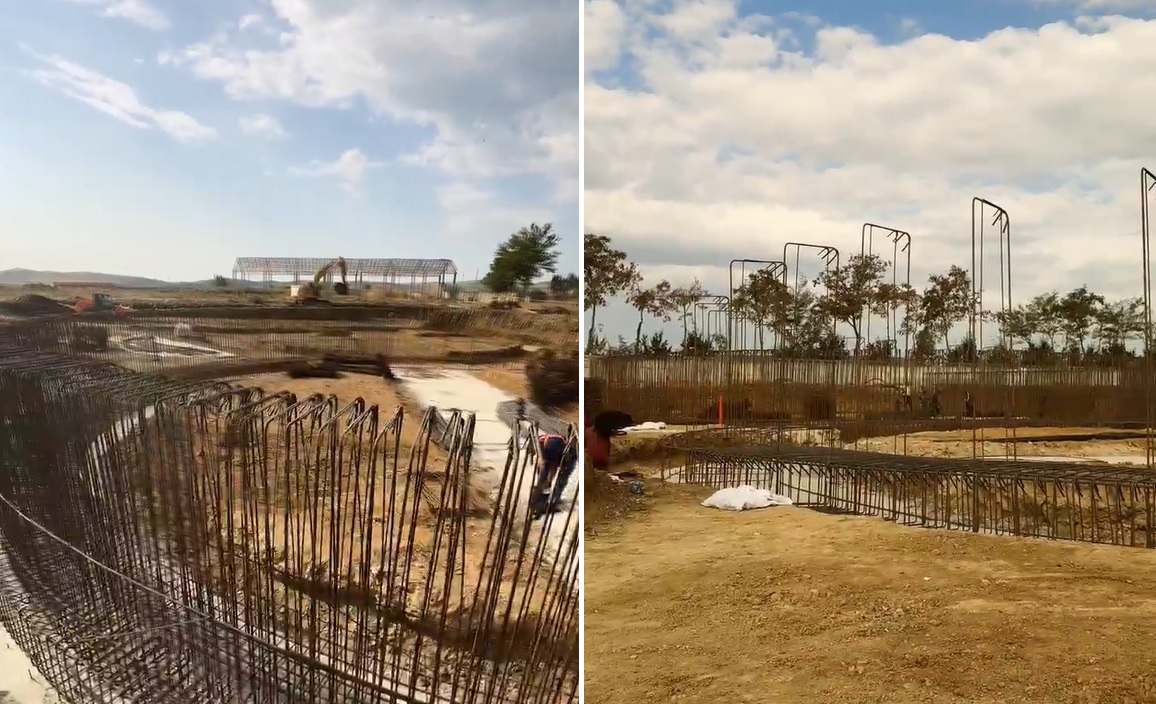
Farmer-owned project moves into construction
Cooperativa Podișul Transilvaniei is investing €45 million in a new edible-oil plant in Mihai Viteazu, near Turda in Romania’s Cluj county, according to Economica.net. Construction has already started, with KESZ România responsible for building the facility.
The cooperative brings together 21 Romanian farmers. Agrointeligența identified Emil Turdean, a prominent farmer from Transylvania, as one of the agricultural producers participating in the investment. The farmer-led ownership model means primary producers will have a direct stake in processing and in the value generated after oilseeds leave the farm.
Six silos and facilities for oilseed meal
The industrial complex will include six silos for storing seeds. Economica.net reports that the silos will reach the height of six- and seven-storey buildings. The published project details also refer to 500 tonnes of reinforcement steel and 4,500 cubic metres of concrete, figures that illustrate the scale of the construction work rather than the silos’ seed-storage capacity.
A separate warehouse will be built for meal, the solid material left after oil extraction. The plans also include tanks and auxiliary buildings intended to support safe and reliable operation. Together, these elements indicate an integrated seed-processing site capable of handling raw material, oil and processing residues within the same complex.
The available information does not specify the plant’s annual crushing capacity, the oilseed varieties it will process or a planned commissioning date. It also does not provide expected output volumes for edible oil or meal. Those figures will be important for assessing how much additional demand the plant could create for crops grown in Cluj and surrounding agricultural regions.
More value retained within the farming sector
For the cooperative’s members, the project creates a route beyond selling unprocessed crops. Ownership of processing assets can give farmers exposure to the value of bottled or bulk oil and oilseed meal, although their returns will depend on utilization rates, raw-material costs, energy expenses and the prices obtained for both product streams.
The meal warehouse is commercially significant because oil extraction produces two marketable outputs rather than one. Oil serves food markets, while meal can be sold into animal-feed supply chains. The ability to market both products will influence the plant’s operating economics and its purchasing position in Romania’s oilseed market.
The project will add domestic processing infrastructure, but its wider market effect cannot yet be quantified without information on capacity and feedstock. Once operational details are disclosed, producers, traders and competing processors will be able to judge whether the facility will materially strengthen local competition for seeds, reduce the movement of unprocessed crops to more distant plants or change edible-oil availability in Romania.