Romanian auto production falls 7.8% to 319,750 vehicles through August
Romania produced 319,750 passenger cars in the first eight months of 2026, down 7.8% year on year, according to national industry association data reported by Economedia. Dacia accounted for 169,014 vehicles and Ford Otosan for 150,736, while total output dropped sharply between July and August.
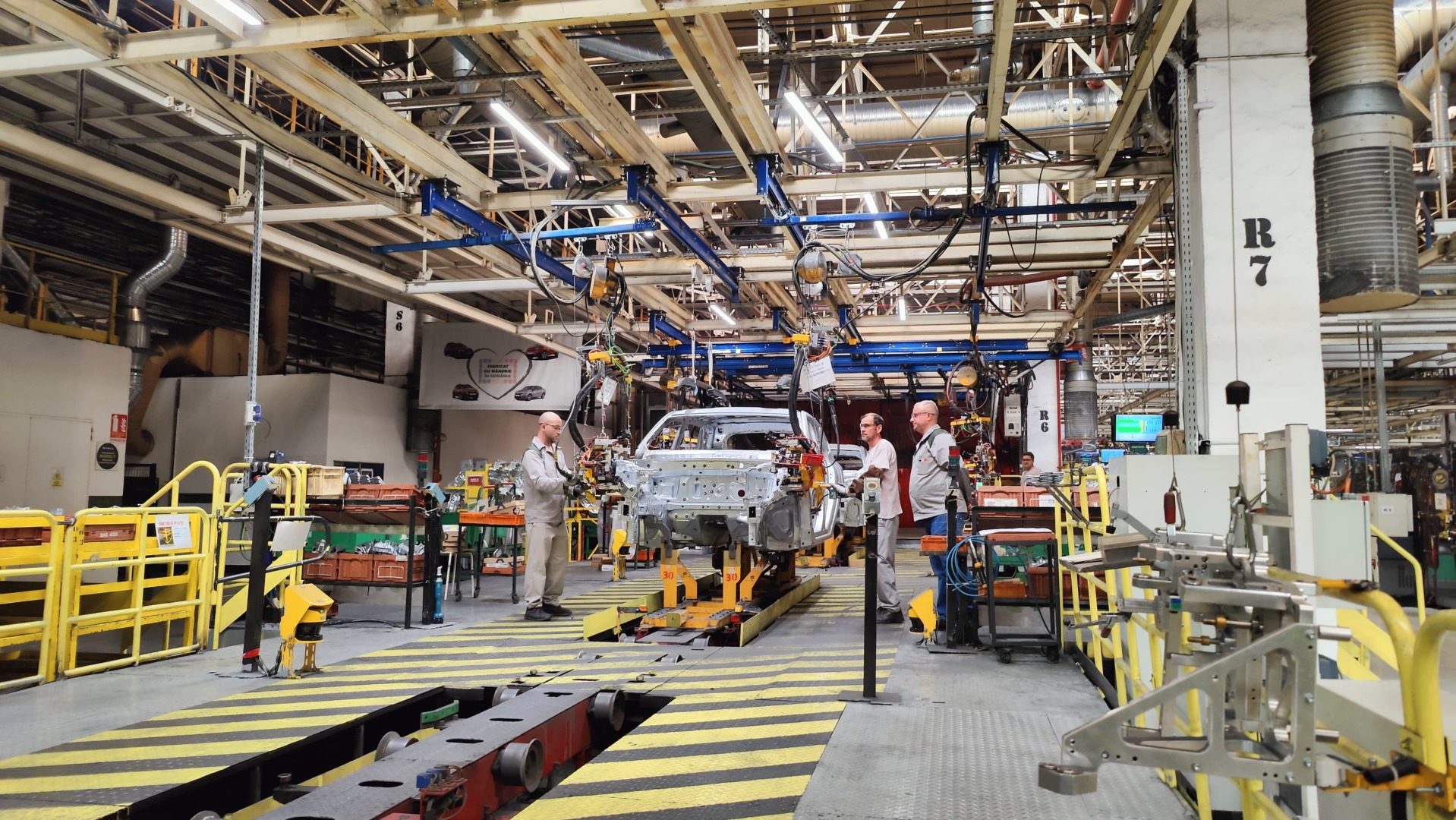
Eight-month output drops to 319,750 vehicles
Romanian passenger-car production fell by 7.8% year on year in the first eight months of 2026, reaching 319,750 vehicles, according to data from the Romanian Automobile Manufacturers Association reported by Economedia. The decline points to lower aggregate activity at the country’s two major vehicle plants and a smaller production base for manufacturers, component suppliers and logistics providers.
Dacia produced 169,014 vehicles during the period, equivalent to about 52.9% of the national total. Ford Otosan assembled the remaining 150,736 vehicles, or approximately 47.1%. The difference between the two manufacturers was 18,278 units, leaving Romania’s output relatively evenly divided between the Mioveni and Craiova operations.
August output falls well below July
Romanian factories produced 49,171 passenger cars in July 2026. Dacia’s Mioveni plant contributed 25,869 units, while Ford Otosan’s Craiova factory produced 23,302. Dacia therefore represented about 52.6% of July output, with Ford Otosan accounting for approximately 47.4%.
Production then fell to 12,607 cars in August, a decrease of 36,564 units from July, or roughly 74.4%. Dacia produced 3,741 vehicles during the month and Ford Otosan made 8,866. The balance consequently shifted toward Craiova: Ford Otosan supplied about 70.3% of August production, while Dacia accounted for around 29.7%.
The source data do not specify why August volumes were lower, so the figures alone cannot distinguish between scheduled stoppages, model-related production planning, maintenance or weaker demand. The monthly comparison nevertheless shows that the national decline was accompanied by substantial volatility at plant level. August output at Mioveni was 22,128 units below July, while Craiova’s production decreased by 14,436.
Implications for factories and suppliers
For vehicle manufacturers, the 7.8% eight-month contraction implies reduced utilization of installed assembly capacity compared with the same period of 2025. The impact is also relevant for suppliers of parts, packaging and industrial services because their order schedules are linked to assembly volumes. Transport operators handling finished vehicles and inbound components may likewise face less throughput when factory output declines.
The split between the plants matters for suppliers serving only one site or one vehicle programme. Dacia remained the larger producer over the full eight-month period, but Ford Otosan led production in August by 5,125 vehicles. That divergence means the national headline does not describe conditions uniformly across Romania’s automotive manufacturing network.
Export exposure raises the importance of the trend
Romania’s automotive manufacturing sector is integrated into cross-border supply and distribution networks, making factory volumes relevant to exporters and international buyers as well as domestic companies. However, the published figures provide no breakdown of exports, destination markets, model mix or production value. They therefore show the direction of vehicle output but do not establish how much export revenue or supplier turnover changed.
The next production readings will indicate whether August was a temporary low point or part of a longer slowdown. A recovery would improve factory utilization and order visibility for suppliers. Continued weakness would increase pressure on companies whose volumes depend heavily on the Mioveni and Craiova plants.