Romania digitally tracks state-forest timber from tree marking to final sale
Romania is using a fully digital chain to monitor timber harvested from state forests, from tree marking and extraction to transport and sale. Romsilva markets about 9.5 million cubic metres annually, including approximately 2 million cubic metres of firewood supplied to households.
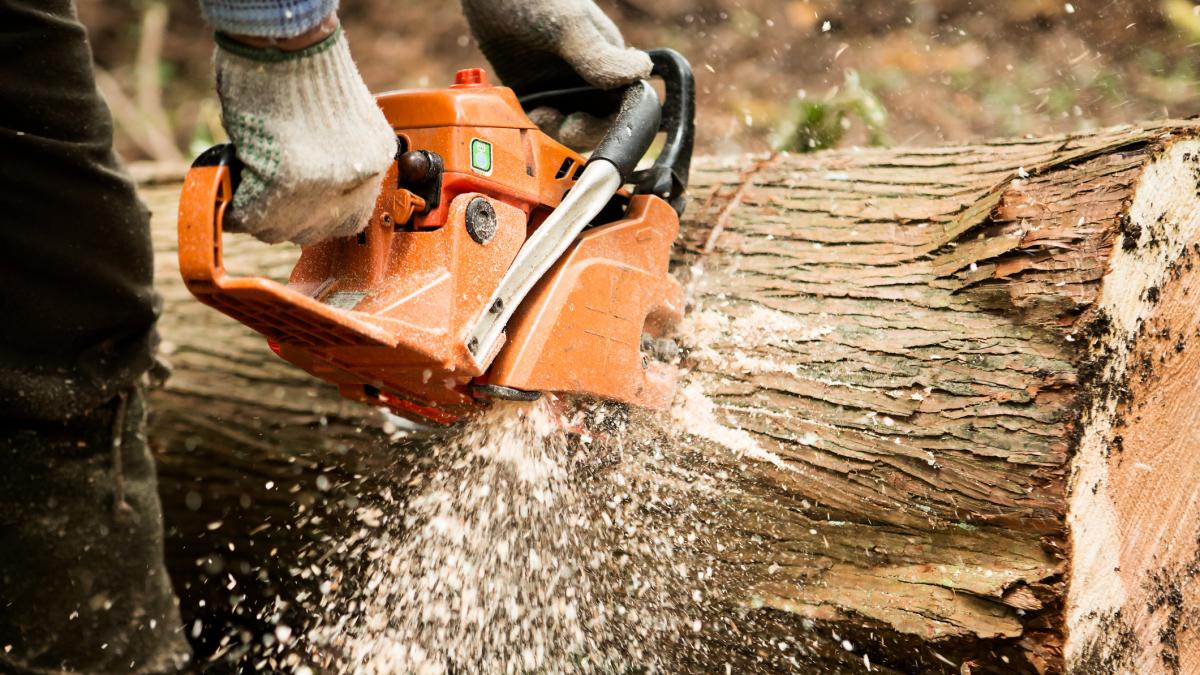
A digital chain from forest to buyer
Timber harvested from Romania’s state forests is being monitored through a fully digital process covering tree marking, extraction, storage, transport and sale. Antena 3 reports that every load leaving the forest must carry legal documents and is registered through SUMAL, a monitoring application that can also be accessed by members of the public.
The system connects forestry controls with commercial distribution. Once harvested, timber is sent to authorised depots and sorted by category. Higher-quality logs are offered to industrial buyers through electronic auctions for uses including furniture and construction. Other wood is sold to households as fuel, including through Romsilva’s online shop.
Annual supply of 9.5 million cubic metres
Romsilva places about 9.5 million cubic metres of wood on the market each year, according to figures reported by Antena 3. Approximately 2 million cubic metres of this volume goes to households for heating. The state forestry administrator sells both coniferous and broadleaf species, with firewood available from depots and primary collection platforms as well as online.
Daniel Robu, Romsilva’s deputy general director, said the organisation transfers approximately 900 million lei to the state through taxes and contributions. These figures show the economic scale of the state-managed forestry chain, which supplies industrial processors and the residential heating market while also generating public revenue.
Harvesting in production forests begins with trees that are diseased, dry, windthrown or affected by pests. Forestry personnel mark eligible trees after the relevant authorisation has been issued. Antena 3 documented an example involving a tree attacked by Ips typographus, a bark beetle whose galleries between the bark and wood can kill the tree.
Harvesting below annual forest growth
According to Romania’s National Forest Inventory, state forests administered by Romsilva add more than 24 million cubic metres of growth annually. Actual harvesting conducted under current forest management plans represents less than one-third of that volume. This means reported biological growth is almost three times the volume being cut.
Management rules differ by forest type. Production forests combine economic and protective functions, while virgin forests in the Făgăraș Mountains are left without human intervention. Trees there complete their natural life cycle, fall and become habitat and material for subsequent forest generations.
Romania is also using forestry to restore degraded industrial land. In the Târnăvioara area near Copșa Mică, more than 150 hectares affected by severe industrial pollution during the 1990s underwent ecological reconstruction. The forest now regenerates naturally, and officials cited 30-year-old acacia trees with diameters of 34 centimetres alongside younger trees arising through natural regeneration. For timber buyers, the digital chain offers greater visibility over legal origin and product category. For forestry authorities and the public, SUMAL provides a mechanism for checking transport movements and strengthening controls against timber entering the market outside authorised channels.