Romania's 2025 timber harvest rises 7.5% to 18.849 million cubic metres, with firewood taking 40.7%
Romania harvested 18.849 million cubic metres of wood in 2025, a 7.5% increase on the previous year, according to National Institute of Statistics data. Roundwood rose 7.2% to 17.358 million cubic metres, with hardwoods supplying 60.3% of the total. Firewood absorbed 40.7% of roundwood and recorded the largest absolute gain of any assortment.
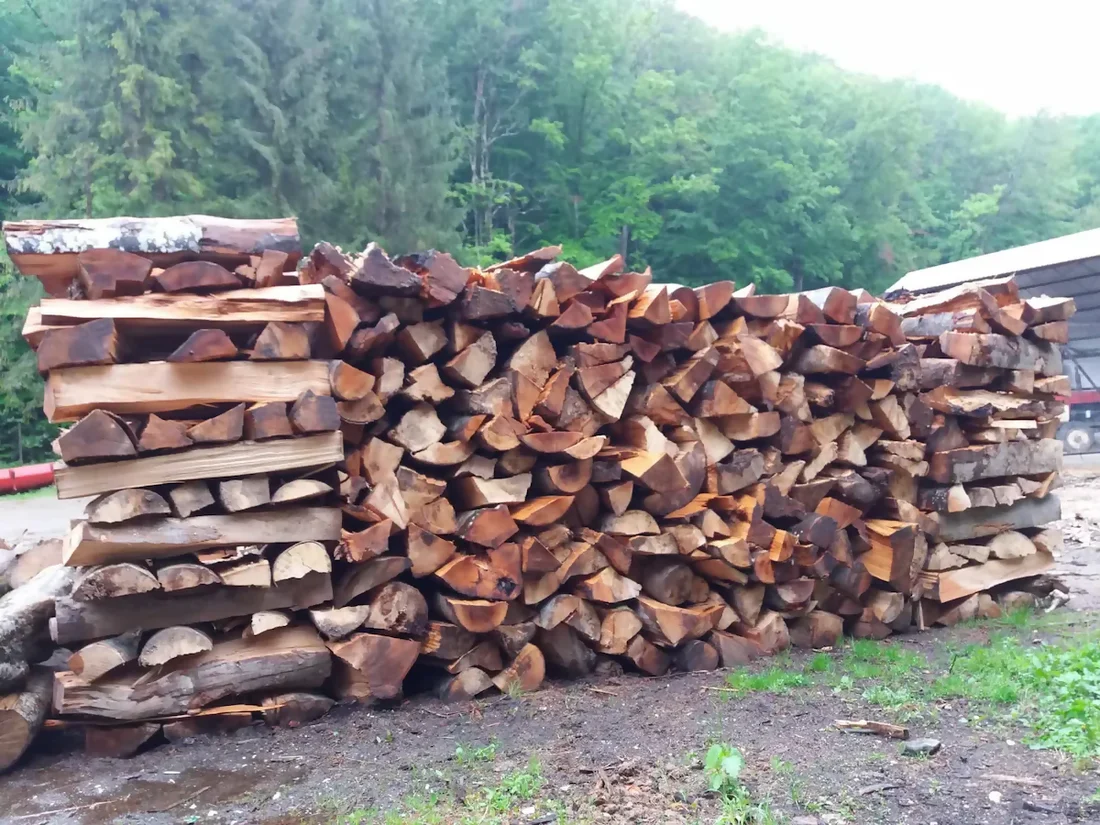
Romania's wood harvest reached 18.849 million cubic metres in 2025, up 7.5% from 17.526 million cubic metres a year earlier, according to data from the National Institute of Statistics (INS) reported by economica.net and cotidianul.ro.
Roundwood without bark made up 17.358 million cubic metres of that total, a 7.2% increase on the 16.194 million cubic metres harvested in 2024. The balance consisted of bark, which gained 83,000 cubic metres to reach 817,000 cubic metres, and other assortments at 674,000 cubic metres, up 76,000, cotidianul.ro reported. economica.net attributed the figures to the statistics office via the Agerpres news agency.
Hardwoods drive the increase
Hardwood species accounted for 60.3% of harvested roundwood, with volumes up 8.6% year on year. Beech was the single most exploited species, at 32.1% of all roundwood harvested, or 5.576 million cubic metres — 546,000 cubic metres more than in 2024 and the largest absolute contribution of any species. Oak output reached 1.964 million cubic metres, an increase of 215,000 cubic metres.
Miscellaneous hard species added 82,000 cubic metres to reach 1.963 million cubic metres. The only category to contract was miscellaneous soft species, down 10,000 cubic metres to 963,000 cubic metres.
Conifers supplied the remaining 39.7% of roundwood, at 6.892 million cubic metres. That was a 5.0% increase, equivalent to 331,000 cubic metres — a slower pace than the hardwood segment, leaving broadleaved species responsible for the bulk of the year's additional volume.
Firewood posts the largest absolute gain
The statistics office also breaks the harvest down by end use. Logs remained the dominant destination, but firewood recorded the steepest increase of any assortment:
- Logs: 8.070 million cubic metres, 46.5% of roundwood, up 420,000 cubic metres
- Firewood: 7.069 million cubic metres, 40.7% of roundwood, up 779,000 cubic metres
- Round and split wood: 1.163 million cubic metres, down 75,000 cubic metres
- Other roundwood assortments: 1.056 million cubic metres, up 40,000 cubic metres
Together, logs and firewood absorbed 87.2% of all roundwood harvested in Romania last year. The 779,000 cubic metre rise in firewood was close to double the 420,000 cubic metre gain in logs, meaning fuel use rather than industrial processing accounted for most of the additional wood brought to market.
What it means for regional supply
The structure of the harvest matters for buyers across Central and Eastern Europe. Beech and oak, at 5.576 million and 1.964 million cubic metres respectively, feed furniture, flooring and sawmilling. Coniferous volumes of 6.892 million cubic metres are the base for construction-grade sawnwood and panel production. Both segments grew, but with more than 40% of roundwood diverted into fuel, only part of the 7.2% roundwood increase reaches industrial processors.
The fall in round and split wood, down 75,000 cubic metres to 1.163 million, runs against the broader trend and leaves that assortment, alongside miscellaneous soft species, as the only volume to decline. For processors the figures describe a market where additional raw material is available but is competing directly with household heating demand for the same beech and oak resource.